Mastering your finances isn’t just about earning more money; it is fundamentally about managing what you keep. When you dive into the world of personal finance, one truth becomes overwhelmingly clear: without a solid plan, even a high salary can vanish into thin air. Budget strategies are the foundational frameworks that transform chaotic spending into intentional wealth-building. Whether you are just starting your financial journey or looking to optimize your current approach, understanding these methodologies is the first step toward achieving fiscal discipline and long-term security. The right approach gives you control over your money, ensuring that every dollar has a purpose and works toward your life goals.
Understanding the Core of Effective Budget Strategies
At the heart of every successful financial plan lies a structured methodology. Effective budget strategies are not one-size-fits-all solutions; rather, they are adaptable frameworks designed to align your spending with your values and priorities. For many, the overwhelming nature of tracking every expense leads to abandonment. However, by breaking down the process into manageable, strategic components, you can build a sustainable system. These core strategies focus on allocation and awareness, ensuring that you are consistently moving forward rather than simply reacting to incoming bills. Implementing these foundational techniques sets the stage for more advanced financial maneuvers down the line.
The 50/30/20 Rule and Its Modern Applications
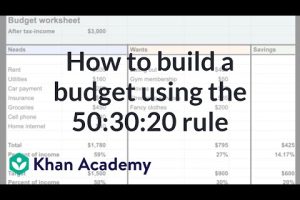
The 50/30/20 rule remains one of the most popular personal budget plans for good reason. This straightforward framework simplifies the allocation of your after-tax income into three distinct categories: 50% for needs, 30% for wants, and 20% for savings and debt repayment. Needs encompass non-negotiable expenses like housing, utilities, and groceries. Wants cover discretionary spending such as dining out, entertainment, and subscriptions. By dedicating 20% to your future self, you prioritize financial resilience. This method is particularly effective for beginners who need a clear, easy-to-understand monthly spending plan without the tediousness of tracking every single penny.
Zero-Based Budgeting for Intentional Spending
Zero-based budgeting (ZBB) takes expense management techniques to a more granular level. The premise is simple but powerful: your income minus your expenses must equal zero at the end of the month. This does not mean spending every dollar you earn; it means assigning every dollar a specific job. Before the month begins, you allocate your expected income across bills, savings, investments, and discretionary funds. If you have $50 left over after planning, that $50 goes into a specific category, such as an emergency fund or extra debt payment. ZBB eliminates unallocated cash, which is often the culprit behind impulsive purchases. This method requires a bit more upfront work but offers unparalleled clarity and intentionality.
Intermediate Techniques for Expense Management
Once you have grasped the fundamentals, you can start exploring intermediate strategies that offer more flexibility or psychological benefits. These budget strategies bridge the gap between simple allocation and advanced wealth-building. They often incorporate behavioral psychology to help you overcome the natural human tendency to overspend. By introducing physical or digital boundaries to your spending, you can curb lifestyle creep and stay aligned with your long-term objectives. These techniques require a bit more discipline but yield substantial rewards in terms of both savings and financial awareness.
The Cash Envelope System in a Digital Age
The cash envelope system has seen a massive resurgence among millennials and Gen Z looking for tactile ways to control their spending. The concept is straightforward: you withdraw your budgeted cash for variable categories like groceries, dining, and entertainment at the beginning of the month. This cash is then divided into physical envelopes labeled for each category. When the envelope is empty, you stop spending in that category until the next paycheck. For those who prefer digital solutions, numerous budgeting apps now simulate this exact experience by locking funds into virtual envelopes. This boundary-setting approach is one of the most effective saving money tips because it makes the pain of parting with cash immediate and visible.
Pay-Yourself-First Methods for Saving
Unlike the 50/30/20 rule or ZBB, which prioritize tracking expenses, the pay-yourself-first method flips the script. This financial planning method treats your savings goals as non-negotiable bills that must be paid before you spend on anything else. On payday, an automatic transfer moves your designated savings amount—whether it is for retirement, a down payment, or an emergency fund—into a separate account. The remaining money is then used for living expenses and discretionary items. This approach leverages the power of automation and removes the temptation to save whatever is “left over,” which is rarely anything at all. It is an excellent strategy for those who dislike detailed tracking but want to ensure consistent wealth accumulation.
Advanced Financial Planning for Long-Term Wealth
For seasoned savers looking to optimize every facet of their financial lives, advanced budget strategies come into play. These frameworks require a deeper understanding of your financial landscape and often involve hybrid approaches. Advanced planning is not just about avoiding debt; it is about strategically positioning your money to work for you. By combining different methodologies, you can create a personalized system that accounts for irregular income, aggressive debt payoff, or aggressive investment goals. This level of financial planning transforms budgeting from a chore into a powerful wealth-building tool.
Combining Strategies for Maximum Impact
Many financial experts advocate for combining different budget strategies to create a customized plan that fits your unique circumstances. For example, you might use the pay-yourself-first method for your retirement accounts, ZBB for your monthly operating expenses, and the cash envelope system for discretionary fun money. This hybrid approach allows you to leverage the strengths of each methodology while mitigating their weaknesses. It provides the structure of ZBB, the automation of pay-yourself-first, and the psychological guardrails of the envelope system. Tailoring these frameworks ensures that your monthly spending plan evolves alongside your financial goals.

Comparative Overview of Popular Budget Strategies
Choosing the right framework depends heavily on your personality, income stability, and financial goals. The table below compares the most popular budget strategies to help you identify which aligns best with your current lifestyle.
| Budget Strategy | Best For | Complexity | Primary Benefit |
| 50/30/20 Rule | Beginners seeking simplicity | Low | Quick, high-level allocation |
| Zero-Based Budgeting (ZBB) | Detail-oriented planners | High | Maximum intentionality |
| Cash Envelope System | Overspenders needing boundaries | Medium | Tactical spending control |
| Pay-Yourself-First | Savers prioritizing wealth | Low | Automated long-term growth |
Expert Tips to Master Your Monthly Spending Plan
Implementing a framework is only half the battle; maintaining it is where the real challenge lies. To ensure your budget strategies remain effective over time, you must incorporate practical habits and behavioral adjustments. Even the best financial planning method will fail if it is not sustainable. Here are some expert recommendations to keep you on track and make the process feel less like a restriction and more like a roadmap to freedom. Consistency and flexibility must coexist in any successful financial system.
- Automate Everything Possible: Set up automatic transfers for savings and bill payments. Automation removes the emotional friction from budgeting and ensures that your financial obligations are met even during busy months.
- Schedule Weekly Check-Ins: Do not wait until the end of the month to review your progress. Spending 15 minutes every Sunday reviewing your transactions keeps you accountable and allows you to course-correct before you overspend.
- Build in a Buffer: Life is unpredictable, and unexpected expenses will arise. Allocate a small miscellaneous line item in your plan to absorb surprises without derailing your entire strategy.
- Avoid Lifestyle Creep: When your income increases, resist the urge to inflate your spending immediately. Direct the surplus toward your financial goals to accelerate your wealth-building journey.
Conclusion
Developing a robust financial plan is one of the most empowering decisions you can make. By selecting and customizing the right budget strategies, you are not just counting pennies; you are designing a life of financial freedom and security. Whether you prefer the simplicity of the 50/30/20 rule, the granular control of zero-based budgeting, or the psychological boundaries of the cash envelope system, the key is to start and stay consistent. Review your plan regularly, adjust as your life changes, and celebrate the small victories along the way. Your future self will thank you for the discipline and intentionality you apply today.
Frequently Asked Questions About Budget Strategies
What are the best budget strategies for beginners? For those just starting out, the 50/30/20 rule and the pay-yourself-first method are widely considered the best approaches. The 50/30/20 rule provides a simple, high-level framework that divides your take-home pay into needs, wants, and savings without requiring you to track every expense. On the other hand, the pay-yourself-first method prioritizes automated savings, ensuring you build wealth before worrying about discretionary spending. Both approaches reduce the cognitive load of financial planning, making it much easier for novices to build fiscal discipline and avoid feeling overwhelmed by complex tracking systems.

How do I stick to a budget strategy when life gets unpredictable? The key to maintaining consistency is building flexibility into your system. One of the most effective expense management techniques is creating a dedicated miscellaneous or buffer category in your monthly spending plan. When unexpected expenses arise, you draw from this fund instead of abandoning your plan entirely. Additionally, scheduling weekly reviews rather than waiting for month-end allows you to catch overspending early and adjust your allocations for the remaining days of the month. Accepting that perfection is impossible keeps you on track even when curveballs hit.
Which budget strategy works best for aggressive debt payoff? If your primary goal is debt reduction, the snowball method combined with zero-based budgeting yields the best results. Zero-based budgeting ensures every single dollar is assigned a job, leaving no room for frivolous spending that could delay your payoff timeline. The snowball method, where you pay off debts from smallest to largest regardless of interest rate, provides psychological wins that keep you motivated. By combining these budget strategies, you create a strict, intentional plan that aggressively targets your liabilities while maintaining just enough discretionary spending to prevent burnout.
Can I combine different budget strategies effectively? Absolutely, and many financial experts highly recommend hybrid approaches. For instance, you might use the pay-yourself-first method to automatically fund your retirement accounts and emergency savings, ensuring your long-term wealth goals are never neglected. Then, you can apply zero-based budgeting to your everyday expenses to ensure complete allocation of your remaining funds. Using the cash envelope system for variable spending categories like groceries and dining adds a psychological barrier against overspending. Tailoring these frameworks allows you to leverage the strengths of each while mitigating their individual weaknesses.
How often should I review and adjust my budget strategy? You should review your monthly spending plan at least once a week, with a comprehensive evaluation at the end of each month. Weekly check-ins take just 15 minutes and involve comparing your actual transactions against your planned allocations. This frequent monitoring helps you catch overspending early and make real-time adjustments. At the end of the month, take a broader view to assess your overall progress toward financial goals, such as debt reduction or savings targets. This regular review cycle ensures your budget strategies remain relevant and effective as your income and expenses evolve over time.