Creating a budget plan is one of the most transformative financial decisions you can make in your lifetime. Whether you are fresh out of college, managing a growing household, or trying to recover from financial setbacks, a well-structured budget plan gives you the clarity and control you need to make every dollar count. But here is the truth most people overlook: a budget plan is not about restriction. It is about empowerment. It is the financial roadmap that turns your income into intentional action, your expenses into informed choices, and your goals into reachable milestones. In this comprehensive guide, we will walk you through everything you need to know about building, implementing, and maintaining a budget plan that actually works, from foundational concepts for complete beginners to advanced strategies used by financial professionals.
What Is a Budget Plan and Why Does It Matter?
A budget plan is a detailed financial framework that outlines how you allocate your income across expenses, savings, and debt repayment over a specific period, usually monthly or annually. Think of it as a blueprint for your money. Without one, you are essentially navigating your financial life blindfolded, hoping that your paychecks will magically cover everything that comes up. A solid budget plan eliminates guesswork, reduces financial stress, and builds a foundation for long-term wealth.
Research consistently shows that people who follow a structured budget plan are more likely to avoid unnecessary debt, build emergency funds, and achieve major financial milestones like homeownership and retirement security. The importance of personal budgeting cannot be overstated, because it touches every single financial decision you make, from your morning coffee habit to your mortgage payments.
Core Benefits of Following a Budget Plan
- Financial clarity: Know exactly where every dollar is going each month.
- Reduced anxiety: Eliminate the uncertainty and stress that come with unplanned spending.
- Faster debt payoff: Direct extra income toward high-interest balances systematically.
- Goal achievement: Fund vacations, education, home improvements, or retirement on schedule.
- Emergency preparedness: Build a safety net that protects you from unexpected costs.
Types of Budget Plans You Can Use
Not all budget plans are created equal. Different methods suit different personalities, income levels, and financial situations. Choosing the right approach is critical because the best budget plan is the one you will actually follow consistently.
The 50/30/20 Rule
This is perhaps the most popular budgeting method for beginners. It divides your after-tax income into three categories: 50% for needs (rent, utilities, groceries, insurance), 30% for wants (entertainment, dining out, subscriptions), and 20% for savings and debt repayment. The simplicity of this approach makes it an ideal monthly budget template for people who are just starting their budgeting journey.
Zero-Based Budgeting

Zero-based budgeting takes a more hands-on approach. Every single dollar of income is assigned a specific job until your remaining balance equals zero. This means you are not just tracking spending, you are proactively directing cash flow before the month even begins. This method is especially effective for people who want granular control over their expense tracking and those managing tight budgets where every dollar matters.
The Envelope System
A classic and highly tactile approach, the envelope system involves labeling physical envelopes with spending categories and filling them with cash. When the envelope is empty, spending in that category stops. While this may sound old-fashioned, it is remarkably effective for combating impulse purchases and overspending. Many people now adapt this concept using digital envelope tools and budgeting apps.
Pay-Yourself-First Method
This strategy prioritizes savings by immediately setting aside a fixed percentage of income for savings or investments before covering any other expenses. The remaining money is then used for bills and discretionary spending. This approach works well for individuals focused on aggressive wealth-building and long-term financial planning.
How to Create a Budget Plan Step by Step
Building your budget plan does not have to be overwhelming. Follow this structured process, and you will have a functioning financial plan within a few hours.
- Calculate your total monthly income: Include all sources, such as salary, freelance earnings, side hustles, and passive income. Use your net income after taxes for accuracy.
- List all fixed expenses: These are costs that stay the same each month, including mortgage or rent, car payments, insurance premiums, and subscriptions.
- Track variable expenses: Review bank and credit card statements from the past three months to average out spending on groceries, fuel, entertainment, and personal care.
- Set financial goals: Define short-term goals (build a $1,000 emergency fund within 90 days) and long-term goals (save for a down payment in three years).
- Assign every dollar a purpose: Allocate your income across categories using your chosen budgeting method.
- Monitor and adjust monthly: Review your budget plan at the end of each month, compare actual spending against your plan, and make adjustments as needed.
Budget Plan Strategies by Experience Level
Beginner Level: Start Simple and Build Consistency
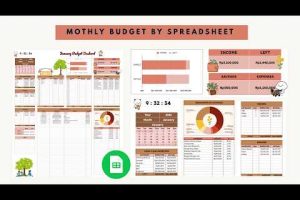
If you have never created a budget before, resist the urge to build something overly complex. Start with a basic spreadsheet or a free budgeting app. Focus on tracking your expenses honestly for at least 30 days before making any changes. Your first budget plan will be imperfect, and that is perfectly fine. The goal is to build awareness and develop the habit of intentional spending.
Beginner tips:
- Use a simple 50/30/20 framework to get started.
- Automate bill payments to avoid late fees.
- Track every purchase, no matter how small.
- Avoid making drastic cuts that feel unsustainable.
Intermediate Level: Optimize Categories and Reduce Waste
Once you have a few months of consistent tracking under your belt, it is time to optimize. Look for spending leaks in discretionary categories. Are you paying for subscriptions you no longer use? Could you negotiate a lower rate on your internet or insurance plan? At this stage, your budget plan should feel more like a financial management tool than a restriction.
Intermediate tips:
- Refine expense categories to reflect your actual lifestyle.
- Set specific savings targets for each goal.
- Implement a 24-hour rule for unplanned purchases over $50.
- Start comparing your budget plan against actual results quarterly.
Advanced Level: Leverage Data and Automation
Advanced budgeting is about leveraging tools, data, and automation to maximize efficiency. You should be using financial software or premium budgeting apps that sync with your bank accounts, categorize transactions automatically, and generate detailed reports. At this level, you can explore strategies like tax-loss harvesting, investment bucketing within your budget, and creating multiple budget plans for different financial scenarios.
Advanced tips:
- Build a rolling 12-month cash flow forecast.
- Integrate investment and retirement accounts into your overall financial plan.
- Use scenario modeling to see how income changes affect your budget.
- Review and optimize insurance coverage annually to reduce costs.
Common Budgeting Mistakes to Avoid
Even the most well-intentioned budget plan can fail if you fall into these common traps:
- Ignoring irregular expenses: Annual subscriptions, car registration, and holiday gifts can wreck your budget if you fail to plan for them monthly.
- Being too restrictive: A budget with zero flexibility will lead to burnout and abandonment. Allow a small fun money category.
- Not updating regularly: Your income, expenses, and goals change. Your budget plan should evolve with them.
- Forgetting to include yourself: Personal development, health, and well-being expenses are not luxuries. They are investments in your earning potential.
- Comparing to others: Your financial situation is unique. Compare yourself only to your past performance.
Budget Plan Method Comparison
| Method | Best For | Complexity | Flexibility | Savings Focus |
| 50/30/20 Rule | Beginners | Low | Medium | Moderate |
| Zero-Based Budget | Detail-oriented planners | High | Low | High |
| Envelope System | Impulse spenders | Medium | Low | Moderate |
| Pay-Yourself-First | Wealth builders | Low | High | Very High |

Expert Tips for Sticking to Your Budget Long-Term
The difference between people who successfully maintain a budget plan and those who abandon it often comes down to a few key habits. First, schedule a weekly 15-minute budget check-in. This is far more manageable than a monthly deep dive, and it keeps you connected to your spending in real time. Second, automate as much as possible. Set up automatic transfers to savings accounts and automatic bill payments so that your plan runs on autopilot. Third, celebrate small wins. Hit a savings milestone? Treat yourself to something modest and meaningful. Positive reinforcement keeps motivation alive. Finally, remember that a budget plan is a living document. It will get messy, it will need adjustments, and it will sometimes fail. The key is to restart without guilt and keep moving forward.

Frequently Asked Questions
What is the best free tool to create a budget plan?
Several excellent free tools are available, including Mint, YNAB (You Need A Budget) free trial, EveryDollar, and Google Sheets budget templates. The best choice depends on your preference for automation versus manual control.
How often should I review my budget plan?
At minimum, review your budget plan at the end of each month. However, a quick weekly check-in of 10 to 15 minutes will help you stay on track and catch issues before they snowball.
How do I budget if my income is irregular?
Focus on averaging your income over the past 12 months, then budget based on the lower end of that average. Prioritize fixed expenses first, build a larger emergency fund of six to nine months, and create a “income smoothing” savings account that you draw from during low-earning months.
Can a budget plan help me pay off debt faster?
Absolutely. A budget plan is essential for debt payoff because it allows you to allocate extra funds specifically toward debt repayment each month. Combined with strategies like the debt avalanche or debt snowball method, a budget accelerates your journey to becoming debt-free significantly.
What is the difference between a budget plan and a financial plan?
A budget plan focuses on short-term cash flow management, helping you allocate income across spending and saving categories each month. A financial plan is broader and encompasses long-term goals like retirement planning, investment strategy, insurance coverage, estate planning, and tax optimization. Think of your budget plan as a component within your larger financial plan.
Final Thoughts
A budget plan is not a one-time project. It is an ongoing commitment to yourself and your financial future. Whether you are taking your first steps into personal budgeting or refining a system you have used for years, the principles remain the same: know your numbers, set clear goals, track consistently, and adjust without guilt. The most powerful budget plan is the one tailored to your life, reviewed regularly, and followed with discipline. Start where you are, use what you have, and build the financial future you deserve. The only moment to begin is now.