Living a budget online lifestyle isn’t about settling for less — it’s about making smarter choices in a digital world that often pushes expensive subscriptions, premium services, and flashy upgrades in your face. Whether you’re a student stretching every dollar, a freelancer building a lean operation, or a household looking to cut unnecessary digital spending, understanding how to navigate the online space without overspending is a skill that pays dividends for years. In this guide, we’ll unpack proven strategies, hidden resources, and practical frameworks for mastering budget online living across shopping, education, entertainment, and daily productivity.
What “Budget Online” Really Means in 2024

The term budget online has evolved far beyond simply finding cheap deals. Today, it encompasses a holistic approach to digital living — one that prioritizes value, intentionality, and smart allocation of your money and time. It means knowing which free tools actually deliver, which paid services justify their cost, and where you’re likely being upsold features you’ll never use.
Defining the Scope of Budget Online Living
At its core, budget online living spans several key areas:
- Affordable internet and data plans that keep you connected without draining your wallet
- Low-cost or free productivity tools that replace expensive software suites
- Discounted online shopping through coupons, cashback, and deal platforms
- Budget-friendly online education and skill-building resources
- Economical entertainment options including streaming, gaming, and media consumption
When you approach the internet with a budget-conscious mindset, every click becomes a decision — and those decisions compound into significant savings over months and years.
Top Strategies for Living a Budget Online Lifestyle
Building a budget online routine requires both awareness and discipline. Here are the most effective strategies that real users swear by.
Cutting Digital Subscription Costs
The average household pays for over seven digital subscriptions per month, and many people never audit what they’re actually using. To trim the fat from your online spending:
- Audit every subscription — check your bank and credit card statements for recurring charges you’ve forgotten about.
- Consolidate services — if you pay for both Spotify and YouTube Music, pick one.
- Share family plans — most major platforms offer family tiers at a fraction of individual costs.
- Use annual billing — many services discount annual plans by 15–30% compared to monthly payments.
- Rotate subscriptions — subscribe to Netflix for one month, binge-watch, cancel, and switch to another platform the next month.
These small adjustments can easily save you $50–$150 per month without sacrificing access to the content or tools you love.
Finding Free and Low-Cost Online Tools
The digital ecosystem is rich with free alternatives that rival their paid counterparts. For example:
- Google Workspace replaces Microsoft Office for most everyday tasks
- Canva Free handles graphic design that once required Adobe Creative Cloud
- Notion offers a powerful project management platform at no cost for individuals
- OBS Studio provides professional-grade screen recording and streaming for free
- LibreOffice delivers full office suite functionality without licensing fees
Choosing free or open-source alternatives doesn’t mean compromising quality — it means being intentional about where your money goes.
Budget Online Shopping: How to Save Big Without Missing Out
Online shopping is where budget discipline is most tested because the temptation to spend is omnipresent. The good news is that strategic shopping can save you 30–60% on nearly everything you buy.
Comparison Shopping Strategies That Work
Before clicking “Buy Now” on any purchase, build a habit of comparing prices across multiple platforms. Use tools like Google Shopping, PriceGrabber, or CamelCamelCamel to track historical prices and identify genuine deals versus manufactured discount illusions.
Additionally, always check for:
- Verified coupon codes on sites like RetailMeNot or Honey
- Cashback opportunities through platforms like Rakuten or Ibotta
- Price match policies that many major retailers now honor
- Student, military, or teacher discount programs that offer 10–15% off
| Strategy | Average Savings | Effort Level |
| Coupon code search | 10–25% | Low |
| Cashback platforms | 2–10% | Low |
| Price tracking tools | 15–40% | Medium |
| Waiting for sales cycles | 30–60% | Medium |
| Bundle deals and package pricing | 20–50% | Low |
Budget Online Education and Skill Building
One of the greatest advantages of the digital age is that world-class education is available at little to no cost. If you’re building skills on a budget, the options are genuinely impressive.
Free and Affordable Learning Platforms
Platforms like Khan Academy, Coursera (with free audit options), edX, and MIT OpenCourseWare provide university-level content without the tuition price tag. For more practical, vocational skills, freeCodeCamp teaches coding, HubSpot Academy covers marketing and sales, and Google Skillshop offers certification in digital advertising — all completely free.
If you do invest in a paid course, look for lifetime access options rather than monthly subscriptions. A one-time payment of $30–$50 for a course that remains accessible forever is far more budget-friendly than paying $20 monthly indefinitely.
Budget Online Entertainment That Doesn’t Break the Bank
Entertainment doesn’t have to be expensive. Libraries offer free digital access to movies, music, audiobooks, and magazines through apps like Hoopla and Libby. Free streaming platforms like Tubi and Pluto TV provide thousands of hours of content without a subscription. Gaming communities offer free-to-play titles with robust experiences, and platforms like YouTube host educational and entertaining content across every imaginable category.

The key principle is to audit your entertainment spending quarterly and ask yourself whether each subscription is actively enriching your life or merely running in the background.
Expert Tips to Master Budget Online Living
After working with thousands of people who successfully transitioned to a frugal digital lifestyle, here are the expert recommendations that consistently deliver the best results:
- Set a monthly digital spending cap — assign a hard limit to all online subscriptions and purchases, and track it religiously.
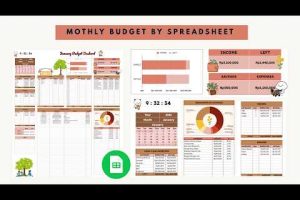
- Use a dedicated budgeting app like Mint or YNAB to monitor your online expenses separately from other spending categories.
- Unsubscribe from marketing emails — if you don’t see the promotions, you won’t be tempted by flash sales.
- Embrace the 48-hour rule — wait two days before making any online purchase over $25 to eliminate impulse spending.
- Build a personal “deal library” — bookmark verified discount sites and check them before every purchase.
- Prioritize free tiers first — always test the free version of any service before committing to a paid plan.
These habits seem small individually, but over a year they can save the average internet user $1,200–$3,000 — money that can go toward debt repayment, savings, or investments.
Common Budget Online Mistakes to Avoid
Even the most frugal shoppers fall into traps online. Watch out for these common pitfalls:
- Falling for fake “deals” — prices inflated before a “sale” are deceptive and common on less reputable sites.
- Ignoring hidden fees — shipping, handling, and conversion fees can erase apparent discounts entirely.
- Over-subscribing to free trials — forgetting to cancel auto-renews is the fastest way to waste money.
- Choosing the cheapest option blindly — the lowest price isn’t always the best value when quality and durability matter.
Conclusion: Building a Sustainable Budget Online Lifestyle
Mastering a budget online lifestyle is not about deprivation — it’s about empowerment. When you understand where your digital dollars go and make intentional choices about every subscription, purchase, and platform you use, you reclaim control over your finances without sacrificing the benefits of modern technology. Start with one or two strategies from this guide, build momentum, and watch how quickly your savings grow while your digital life becomes more efficient and purposeful.
FAQs
How can I find the best budget online deals for everyday purchases?
The most reliable approach is to combine a cashback browser extension like Honey or Rakuten with a coupon code search before checkout. Additionally, setting up price alerts on CamelCamelCamel for Amazon products ensures you buy only when prices hit their lowest historical point. Signing up for retailer newsletters also unlocks exclusive first-time buyer discounts that aren’t widely advertised.
Is budget online shopping safe, or should I worry about scams?
Budget online shopping is safe as long as you stick to reputable platforms and verified deal sources. Always check for HTTPS encryption on any site where you enter payment information, read reviews on Trustpilot before purchasing from unfamiliar retailers, and avoid deals that seem too good to be true — especially on social media ads with limited contact information.
What are the best free budget online tools for small business owners?
Small business owners can leverage Wave for free accounting and invoicing, Canva for professional graphic design, Trello for project management, Mailchimp’s free tier for email marketing up to 500 contacts, and Google Analytics for website tracking. Together, these tools replace software packages that would cost hundreds of dollars monthly.
How do I budget for online subscriptions without forgetting to cancel unused ones?
The most effective method is a quarterly subscription audit. Set a calendar reminder every three months, sit down with your bank or credit card statement, and list every recurring charge. Cancel anything you haven’t actively used in the past 30 days. You can also use subscription management apps like Rocket Money or SubscriptMe to automate tracking and send cancellation reminders.
Can I get a quality online education for free using budget online resources?
Absolutely. Platforms like Khan Academy cover K-12 and early college subjects entirely for free. Coursera and edX allow you to audit courses from Harvard, MIT, and Stanford at no cost. freeCodeCamp provides a full web development curriculum with verified certificates — all without spending a single dollar. The only paid element is optional certifications if you want formal documentation.