If you’ve ever wondered where your paycheck disappears to by the end of every month, you’re not alone. Budget planning is the single most transformative financial habit you can adopt, yet millions of people still avoid it because it feels overwhelming, restrictive, or simply confusing. The truth is that building a solid budget isn’t about cutting out every joy in your life — it’s about creating a clear roadmap for your money so that every dollar has a purpose. Whether you’re managing household finances, trying to eliminate debt, or building wealth for the future, a well-structured budget plan puts you in the driver’s seat of your financial life. This guide walks you through everything you need to know, from foundational principles to advanced strategies that even seasoned planners use to stay ahead.
What Is Budget Planning and Why It Matters
At its core, budget planning is the process of creating a detailed outline of your expected income and expenses over a specific period — typically a month or a year. It gives you a bird’s-eye view of your cash flow and helps you make intentional decisions about spending, saving, and investing. Without a plan, money tends to slip through the cracks on small, forgotten purchases that add up over time.
Here’s why budget planning deserves your attention right now:
- Eliminates financial stress — knowing exactly where your money goes removes the anxiety of surprise bills or shortfalls.
- Prevents overspending — a clear plan creates natural guardrails that keep impulsive purchases in check.
- Accelerates debt payoff — allocating extra funds toward debt becomes automatic when it’s built into your plan.
- Builds wealth over time — consistent saving and investing, guided by a budget, compound into significant long-term growth.
- Supports life goals — whether it’s buying a home, funding education, or retiring early, your budget is the engine that drives progress.
How to Create a Budget Plan That Actually Works
Many people fail at budgeting because they jump straight into spreadsheets without understanding the methodology behind the numbers. A successful monthly budget plan follows a structured process that accounts for your unique financial situation.
Step 1: Calculate Your Total Monthly Income
Start by listing every source of income you receive each month. This includes your primary salary, freelance earnings, rental income, side hustles, and any passive income streams. If your income varies month to month, use an average from the past three to six months or plan around your lowest-earning month to stay conservative.
Step 2: Track and Categorize Your Expenses
Next, divide your expenses into two major categories — fixed costs and variable costs. Fixed costs are predictable payments like rent, insurance premiums, and loan repayments. Variable costs fluctuate and include groceries, entertainment, dining out, and discretionary shopping.
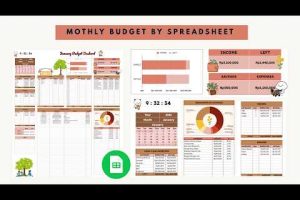
Using a budget planning worksheet can make this process dramatically faster. You can organize your spending into these groups:
- Housing — rent or mortgage, property taxes, utilities
- Transportation — fuel, public transit, car payments, insurance
- Food — groceries, restaurants, coffee runs
- Debt Payments — credit cards, student loans, personal loans
- Savings and Investments — emergency fund, retirement accounts, index funds
- Insurance — health, life, disability, renters or homeowners
- Entertainment and Lifestyle — subscriptions, hobbies, travel
- Miscellaneous — gifts, personal care, unexpected costs
Step 3: Choose a Budgeting Framework
Not every framework works for every person. The key is finding a method that matches your lifestyle, goals, and spending personality. Here’s a detailed comparison of the most popular budget planning methods:
| Method | How It Works | Best For | Complexity |
| 50/30/20 Rule | 50% needs, 30% wants, 20% savings and debt | Beginners who want a simple framework | Low |
| Zero-Based Budgeting | Every dollar is assigned a job until income minus expenses equals zero | Detail-oriented planners who want full control | Medium |
| Envelope System | Cash is divided into physical or digital envelopes for each category | People who overspend on discretionary categories | Low to Medium |
| Pay-Yourself-First | Savings and investments are deducted first, then expenses are covered with what’s left | Aggressive savers and wealth builders | Low |
| 80/20 Method | Save 20% of income first, then spend the remaining 80% freely | People who prefer minimal tracking | Very Low |
Step 4: Set Realistic Spending Limits
Once you’ve chosen a framework, assign specific dollar amounts to each expense category. Be honest about your habits — if you consistently spend $400 on groceries, don’t set a $250 limit that you’ll inevitably exceed. A realistic budget plan accounts for human behavior, not just ideal numbers.
Step 5: Review, Adjust, and Repeat
Budget planning is not a one-time event. It’s a living process. At the end of each month, compare your actual spending to your planned amounts, identify where you went over or under, and adjust the next month’s plan accordingly. This continuous feedback loop is what separates people who stick with budgets from those who abandon them after two weeks.
Budget Planning for Beginners vs. Advanced Users

One of the biggest mistakes new budgeters make is trying to implement complex systems before they understand the basics. If you’re starting out, focus on these foundational tips before diving into advanced techniques:
- Start with just three categories — needs, wants, and savings. Once those feel natural, you can subdivide further.
- Use a simple app or spreadsheet — tools like Mint, YNAB, or a basic Google Sheet remove the friction of manual tracking.
- Set one financial goal at a time — pay off a credit card, build a $1,000 emergency fund, or save for a vacation. Single goals are easier to stay motivated about.
- Automate wherever possible — automatic transfers to savings and autopay for bills reduce the chance of missed payments.

For intermediate and advanced users, the conversation shifts toward optimization and strategy. You might explore tax-advantaged accounts, sinking funds for irregular expenses, or cash flow forecasting that spans six to twelve months ahead. Advanced budget planners also track metrics like savings rate, debt-to-income ratio, and net worth over time to measure real financial progress.
Common Budget Planning Mistakes and How to Avoid Them
Even experienced planners stumble occasionally. Here are the most frequent pitfalls and how to steer clear of them:
- Forgetting irregular expenses — car repairs, annual subscriptions, and holiday gifts don’t happen monthly but still need to be budgeted. Divide annual costs by 12 and set that money aside each month in a sinking fund.
- Being too restrictive — an overly strict budget leads to burnout and rebound spending. Always include a fun money category, no matter how small.
- Not tracking small purchases — that daily $5 latte adds up to $150 a month. Small expenses are the silent budget killers.
- Ignoring savings as an expense — treat your savings contribution like a bill that must be paid first, not something you do with leftover money at the end of the month.
- Failing to update the budget — life changes like a raise, new job, or baby require immediate adjustments to your spending plan.
Expert Tips for Long-Term Budget Success
Financial advisors and seasoned planners consistently recommend these habits for maintaining a budget plan that sticks for years, not just weeks:
- Schedule a weekly money check-in — spend ten minutes every Sunday reviewing recent transactions and upcoming due dates.
- Use the 24-hour rule for impulse purchases — wait a full day before buying anything over $50 that wasn’t in your plan.
- Build a buffer before optimizing — if you’re living paycheck to paycheck, the first goal should be a small emergency cushion, not aggressive investing.
- Celebrate milestones — paid off a credit card? Hit a savings goal? Reward yourself within your budget to reinforce positive behavior.
- Involve your partner or family — family budget planning works best when everyone understands the goals and contributes to the plan.
The Role of Budget Planning in Overall Financial Health
Budget planning doesn’t exist in isolation — it’s the foundation upon which every other financial strategy is built. Emergency funds, investment portfolios, retirement planning, and even tax strategies all depend on having a clear understanding of your cash flow. When your budget is tight, it’s nearly impossible to save meaningfully. When it’s well-structured, you create breathing room that allows you to handle emergencies without panic and invest for the future without guilt.
Think of your budget as the operating system for your financial life. Every app, every goal, every money decision runs on top of it. Get the operating system right, and everything else becomes more manageable and more effective.
Final Thoughts on Mastering Your Budget
Budget planning isn’t about perfection — it’s about progress. The best budget is the one you actually follow consistently, even if it’s not perfectly optimized. Start where you are, use the tools that fit your comfort level, and commit to revisiting and refining your plan every month. Over time, the discipline of intentional spending will transform your financial confidence, reduce your stress, and give you the freedom to pursue the life you’ve envisioned.
The most important step is the very first one: write down your numbers. Everything else builds from there.
Frequently Asked Questions
1. How do I start budget planning as a complete beginner?
Begin by listing your monthly income and tracking every expense for one full month without changing your habits. This baseline reveals where your money actually goes. Then, choose a simple method like the 50/30/20 rule and assign each dollar a category. You don’t need expensive software — a notebook or free spreadsheet works perfectly for your first few months.
2. What is the best budget planning method for someone with irregular income?
The zero-based budgeting method works exceptionally well for freelancers, gig workers, and anyone with variable income. You plan every dollar based on your lowest expected month, and any extra income in higher months gets allocated to savings goals or debt acceleration. This approach ensures you’re never caught off guard by a lean month.
3. How often should I review and update my monthly budget plan?
A weekly check-in of five to ten minutes keeps you aware of spending patterns in real time. A deeper monthly review — where you compare actuals to your plan and adjust next month’s allocations — should happen on the same date each month, ideally within the first few days after your billing cycle closes.
4. Can budget planning help me pay off debt faster?
Absolutely. By identifying areas where you’re overspending and redirecting that money toward debt payments, many people discover hundreds of dollars per month they didn’t realize they had. Techniques like the debt avalanche (highest interest first) or debt snowball (smallest balance first) integrate naturally into a structured spending plan.
5. What tools are best for family budget planning?
Apps like YNAB (You Need A Budget), EveryDollar, and GoodBudget support shared accounts and collaborative planning, making them ideal for couples or families. The key is choosing a tool both partners actually use consistently. A shared Google Sheet works just as well if both people commit to updating it regularly.