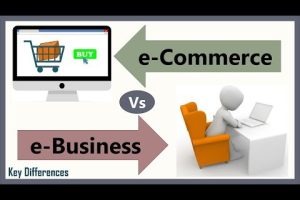
E-commerce, short for electronic commerce, has fundamentally transformed the way businesses connect with consumers, shifting the traditional retail landscape into a dynamic digital ecosystem where transactions happen at the click of a button. Whether you are a budding entrepreneur looking to launch an online store or a business owner trying to understand the evolving digital marketplace, grasping the e commerce definition is the essential first step toward building a profitable online venture. But e-commerce is far more than just buying and selling products on a website. It encompasses a vast network of technologies, business models, payment systems, logistics, and customer experiences that work together seamlessly to create a frictionless shopping journey. In this comprehensive guide, we will break down everything you need to know about what e-commerce truly means, the various models it covers, how it operates, and the strategies that separate thriving online businesses from those that struggle to gain traction.
What Is E-Commerce? A Detailed Definition
At its core, the e commerce definition refers to the buying and selling of goods and services over the internet, along with the transfer of money and data to complete those transactions. However, this definition only scratches the surface. E-commerce also includes the entire lifecycle of an online transaction, from product discovery and browsing to payment processing, order fulfillment, and post-sale customer support. The term “e-commerce” was coined in the 1990s as the internet began to commercialize, and since then, it has grown into a multi-trillion-dollar global industry that shows no signs of slowing down.
E-commerce is often used interchangeably with terms like online retail, digital commerce, and internet business, but each carries its own nuanced meaning. While “online retail” typically refers to the direct sale of products to consumers, “digital commerce” is a broader term that encompasses the entire digital value chain, including marketing, supply chain management, and customer relationship management. Understanding these distinctions is critical for anyone who wants to operate with precision in the online marketplace.
Types of E-Commerce Models Explained
The e-commerce landscape is diverse, and the business model you choose depends on your target audience, the nature of your products, and your operational goals. Here are the primary e-commerce models that define the industry today.
B2C — Business-to-Consumer
Business-to-consumer e-commerce is the most recognizable model, where a company sells products or services directly to individual customers. This includes everything from large retailers like Amazon and Walmart’s online stores to niche boutiques selling handmade jewelry on Etsy. B2C e-commerce relies heavily on consumer behavior analytics, social media marketing, and personalized shopping experiences to drive conversions.
B2B — Business-to-Business
B2B e-commerce involves transactions between businesses, such as a manufacturer selling raw materials to a distributor or a SaaS company licensing software to other organizations. The B2B e-commerce definition is centered on bulk purchasing, longer sales cycles, and complex pricing structures. Platforms like Alibaba and ThomasNet are prime examples of B2B digital marketplaces that facilitate these transactions at scale.
C2C — Consumer-to-Consumer
In the consumer-to-consumer model, individuals buy and sell directly to each other through intermediary platforms. Think of eBay, Facebook Marketplace, or Depop. C2C e-commerce thrives on peer-to-peer transactions, where trust mechanisms like seller ratings and secure payment processing are essential for maintaining marketplace integrity.
C2B — Consumer-to-Business
The C2B model flips the traditional transaction on its head, where individuals offer products or services to companies. Freelance platforms like Upwork and Fiverr exemplify this model, where professionals sell their skills and expertise to businesses seeking specific deliverables.
| Model | Sells To | Examples | Key Focus |
| B2C | Individual consumers | Amazon, Nike.com | Brand experience, convenience |
| B2B | Other businesses | Alibaba, Salesforce | Volume, long-term contracts |
| C2C | Other individuals | eBay, Etsy | Trust, community, affordability |
| C2B | Businesses | Upwork, Shutterstock | Skills, freelance services |
How E-Commerce Works: From Browse to Buy
The e-commerce process might seem simple on the surface, but underneath it involves a sophisticated chain of digital interactions and logistical operations. Understanding the e commerce workflow helps businesses identify areas for optimization and growth.
- Discovery — Customers find products through search engines, social media ads, email campaigns, or direct website visits.
- Browsing — Shoppers explore product catalogs, read reviews, compare prices, and evaluate options.
- Cart & Checkout — The customer adds items to a digital cart, enters shipping and payment information through a secure gateway.
- Payment Processing — Transactions are authorized via credit cards, digital wallets like Apple Pay or PayPal, or buy-now-pay-later services.
- Order Fulfillment — The merchant processes the order, packs the product, and dispatches it through a shipping carrier.
- Delivery & After-Sales — The product reaches the customer, who may leave reviews, request returns, or subscribe to future purchases.
Each of these stages represents an opportunity for businesses to improve the customer experience and reduce friction. Companies that master omnichannel e-commerce — the ability to provide a seamless experience across web, mobile, social, and physical stores — consistently outperform competitors who operate in silos.
Key Components of a Successful E-Commerce Operation
Building a profitable online store requires more than just listing products on a website. The essential components of e-commerce include:
- E-Commerce Platform — Software like Shopify, WooCommerce, or Magento that powers the online storefront, manages inventory, and processes orders.
- Payment Gateway — Secure systems such as Stripe, Square, or PayPal that handle financial transactions and ensure data encryption.
- Inventory Management — Tools and systems that track stock levels, forecast demand, and automate reordering to prevent overselling or stockouts.
- Logistics & Shipping — Fulfillment strategies, including warehousing, third-party logistics (3PL) providers, and last-mile delivery partnerships.
- Customer Relationship Management (CRM) — Platforms that store customer data, track purchase history, and enable personalized marketing campaigns.
- SEO & Digital Marketing — Search engine optimization, pay-per-click advertising, content marketing, and email automation to drive traffic and conversions.
E-Commerce vs. Traditional Commerce: A Side-by-Side Comparison
While traditional retail and e-commerce share the same ultimate goal — selling products to consumers — the methods, advantages, and challenges differ significantly.
| Aspect | Traditional Commerce | E-Commerce |
| Location | Physical storefront | Online, accessible 24/7 globally |
| Overhead Costs | High (rent, utilities, staff) | Lower (no physical storefront needed) |
| Customer Reach | Limited to local area | Global audience potential |
| Operating Hours | Fixed business hours | 24/7 automated sales |
| Customer Experience | Tactile, in-person interaction | Convenient, personalized digital experience |
| Scalability | Requires physical expansion | Easily scalable with technology |
Neither model is inherently superior; rather, the most successful businesses today adopt a hybrid approach, combining the strengths of both online and offline channels to maximize reach and customer satisfaction.
Expert Tips for E-Commerce Success
If you are launching or growing an online store, these actionable strategies can make a meaningful difference in your results.
- Prioritize Mobile Experience — Over 60% of online shopping sessions now begin on mobile devices. A responsive, fast-loading website is non-negotiable.
- Invest in Product Photography — High-quality visuals reduce return rates and increase conversion rates. Consider 360-degree product views and lifestyle imagery.
- Leverage Data Analytics — Use tools like Google Analytics and heatmaps to understand user behavior, identify drop-off points, and optimize your funnel.
- Build Trust with Social Proof — Display customer reviews, testimonials, and trust badges prominently to reassure new visitors.
- Optimize for Search Intent — Go beyond keyword stuffing. Create content that answers real customer questions and aligns with their search intent.
- Streamline the Checkout Process — Every extra step in checkout increases cart abandonment. Offer guest checkout, multiple payment options, and clear shipping costs upfront.
Frequently Asked Questions
What exactly is meant by e-commerce in simple terms?
In simple terms, e-commerce means conducting business transactions — buying and selling products or services — over the internet instead of in a physical store. It includes the entire digital process of marketing, selling, paying for, and delivering goods or services online.
What are the main types of e-commerce models?
The four main types are B2C (business-to-consumer), B2B (business-to-business), C2C (consumer-to-consumer), and C2B (consumer-to-business). Each model defines the relationship between the buyer and seller and determines the strategies needed for success.
Why is e-commerce important for small businesses?
E-commerce levels the playing field by giving small businesses access to a global customer base without the massive overhead costs of a physical retail space. It enables scalability, data-driven decision making, and the ability to compete with larger brands through targeted digital marketing.
What skills do you need to start an e-commerce business?
Key skills include digital marketing, basic web design or platform management, inventory and supply chain management, customer service, data analysis, and an understanding of payment processing and cybersecurity fundamentals.
How has e-commerce evolved since the 1990s?
E-commerce has evolved from basic online catalogs with limited payment options to sophisticated, AI-driven shopping experiences featuring personalized recommendations, one-click purchasing, social commerce integrations, and seamless omnichannel fulfillment that bridges the gap between digital and physical retail.
Conclusion
The e-commerce definition is constantly evolving as technology advances and consumer expectations rise. What began as a simple digital marketplace has grown into a complex, interconnected ecosystem that touches every aspect of modern commerce. Whether you are a small business owner exploring your first online store or a seasoned entrepreneur scaling a global brand, understanding the nuances of e-commerce — from business models and technology stacks to customer experience and digital marketing — is the foundation of lasting success in the digital age. The businesses that invest in learning, adapting, and innovating within the e-commerce space will be the ones that thrive in an increasingly competitive and customer-centric marketplace.