In today’s digital-first economy, e-commerce development has become one of the most critical investments businesses can make. Whether you’re launching a boutique online storefront or building a enterprise-grade digital marketplace, the way you architect, design, and optimize your online shopping experience directly impacts revenue, customer retention, and long-term scalability. The global e-commerce market continues to surge past $6 trillion annually, and developers and entrepreneurs who understand the nuances of building high-performance online stores hold a significant competitive advantage. This guide dives deep into the strategies, platforms, features, and workflows that separate mediocre online shops from market-leading digital businesses.
E-Commerce Development: What It Really Entails

At its core, e-commerce development refers to the entire process of creating, deploying, and maintaining an online platform where businesses can sell products or services to consumers. But this definition barely scratches the surface. True e-commerce development encompasses everything from frontend user interface design and backend server architecture to payment gateway integration, inventory management, order fulfillment pipelines, and ongoing conversion rate optimization. It’s a multidisciplinary discipline that blends web development, UX design, digital marketing, and supply chain logistics into one cohesive digital ecosystem.
Understanding the scope of e-commerce development is essential before you write a single line of code or pick a platform. The process demands careful planning around business models—whether you’re running a B2C retail site, a B2B wholesale portal, or a subscription-based service—and the technical infrastructure needed to support each model efficiently.
The Core Components of Building an Online Store
Every successful online store is built on a foundation of interconnected systems and features. Here are the essential components that any e-commerce development project should address:
- Product Catalog Management — A robust system for organizing, categorizing, and displaying products with rich media, SKUs, pricing tiers, and variant options.
- Shopping Cart & Checkout Engine — The transactional core of any e-commerce site, requiring seamless cart logic, guest checkout support, and one-page or multi-step checkout flows.
- Payment Gateway Integration — Connecting to processors like Stripe, PayPal, Authorize.net, or regional alternatives to handle secure transactions with PCI compliance.
- SSL Certificates & Security Architecture — Ensuring encrypted data transmission, secure user authentication, and protection against common web vulnerabilities.
- Order Management & Fulfillment — Systems for tracking orders, managing shipping logistics, generating invoices, and handling returns or exchanges.
- Customer Account & CRM Integration — Allowing users to create profiles, track orders, save wishlists, and interact with personalized recommendations.
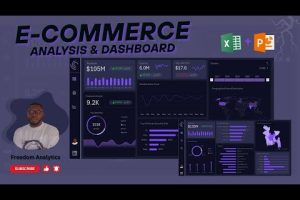
- Analytics & Reporting Dashboard — Tools for monitoring sales, traffic sources, cart abandonment rates, and customer behavior patterns.
Choosing the Right E-Commerce Platform for Development
Selecting the right platform is arguably the most consequential decision in the entire e-commerce development process. Your platform choice determines your development flexibility, scalability ceiling, hosting requirements, and total cost of ownership. The landscape has evolved dramatically, with options ranging from fully managed SaaS solutions to open-source frameworks and custom headless architectures.
Comparing Leading Platforms for E-Commerce Development
The table below compares several dominant platforms in terms of key development and business criteria:
| Platform | Type | Best For | Scalability | Customization |
| Shopify | SaaS | SMBs & fast-growing brands | High (managed infrastructure) | Moderate (theme & app-based) |
| Magento / Adobe Commerce | Open Source / Enterprise | Mid-size to enterprise merchants | Very High | Extensive (full code access) |
| WooCommerce | Open Source (WordPress) | Small to mid-size businesses | Moderate (depends on hosting) | High (PHP-based flexibility) |
| Headless Commerce (e.g., CommerceTools, Saleor) | API-First | Custom digital experiences, omnichannel | Very High | Unlimited (decoupled frontend) |
| BigCommerce | SaaS | Growing brands needing multi-channel | High (native omnichannel) | Moderate to High |
For startups and small businesses, Shopify and WooCommerce offer rapid deployment with lower upfront investment. Enterprise operations with complex catalog requirements and custom workflows often gravitate toward Adobe Commerce or headless solutions that allow frontend teams to build bespoke user experiences using React, Vue.js, or Next.js while connecting to a dedicated e-commerce backend through REST or GraphQL APIs.
Essential Features That Drive Conversion in E-Commerce
Building an online store is only half the battle. The features you prioritize—and how well you implement them—determine whether visitors become paying customers. Conversion-focused e-commerce development goes beyond aesthetics; it addresses friction points in the buyer journey at every stage.
- Mobile-First Responsive Design — Over 70% of e-commerce traffic now comes from mobile devices. Your store must deliver a flawless experience across all screen sizes, with touch-friendly navigation and fast-loading product pages.
- Fast Page Load Speeds — Studies consistently show that a one-second delay in page load can reduce conversions by up to 7%. Techniques like image lazy loading, CDN integration, and code minification are non-negotiable.
- Seamless Checkout Experience — Offering guest checkout, multiple payment methods, autofill support, and progress indicators dramatically reduces cart abandonment rates.
- Personalization Engines — Using browsing history, purchase data, and AI-driven recommendations to show relevant products increases average order value and repeat purchases.
- Trust Signals & Social Proof — Customer reviews, security badges, return policy transparency, and real-time purchase notifications build the credibility needed for first-time buyers.
User Experience and Mobile-First Design Principles
UX design for e-commerce is not just about making things look pretty. It’s about reducing cognitive load, guiding the user toward conversion with clear calls-to-action, and ensuring that every interaction feels intuitive. Key UX principles include maintaining consistent navigation hierarchies, using high-quality product imagery with zoom and 360-degree views, implementing smart search with autocomplete and filtering, and designing error states that help users recover from mistakes rather than abandoning their session entirely.

The E-Commerce Development Workflow: From Concept to Launch
A disciplined development workflow is what transforms an e-commerce idea into a functioning, revenue-generating online store. Rushing through phases leads to technical debt, poor user experience, and costly post-launch fixes. Here’s how a professional e-commerce development project typically unfolds:
Phase 1: Discovery and Strategic Planning
Before any development begins, your team should define the project scope, identify target audiences, map out the customer journey, and select the appropriate technology stack. This phase involves stakeholder interviews, competitor analysis, and creating a detailed product requirements document (PRD). Decisions about catalog structure, payment processing, shipping integrations, and third-party tool compatibility should all be locked down before moving forward.
Phase 2: Design and Prototyping
Wireframes and interactive prototypes bring the strategic plan to life. Designers create mockups for key pages—homepage, product detail pages, category listings, cart, and checkout—ensuring the visual hierarchy supports conversion goals. Usability testing at this stage, even with simple clickable prototypes, can uncover critical navigation and layout issues before any code is written.
Phase 3: Development and Integration
This is where the actual coding happens. Frontend developers build the user-facing layers using modern frameworks, while backend engineers configure databases, set up API connections to payment processors and shipping carriers, and implement business logic for pricing rules, tax calculations, and inventory synchronization. Continuous integration and automated testing are vital during this phase to catch bugs early and maintain code quality.
Phase 4: Testing, QA, and Pre-Launch
Comprehensive quality assurance includes functional testing, performance testing, security audits, cross-browser compatibility checks, and real-device mobile testing. Payment flows should be tested in sandbox environments, and load testing ensures the site can handle traffic spikes during promotional events or flash sales without crashing.
Phase 5: Launch and Post-Launch Optimization
Launching is not the end—it’s the beginning of ongoing optimization. Monitoring tools, A/B testing, and regular performance audits help you continuously refine the shopping experience. Collecting user feedback and analyzing behavioral data through tools like Google Analytics and heatmaps enables data-driven decisions that compound revenue growth over time.
Advanced Strategies for Scaling Your E-Commerce Platform
Once your online store is live and generating sales, the focus shifts to scaling. Headless commerce architecture has emerged as a powerful approach for businesses that need to deliver unique, custom experiences across multiple touchpoints—web, mobile apps, smartwatches, voice assistants, and IoT devices—while maintaining a single centralized commerce engine. This decoupled approach gives developers the freedom to iterate on the frontend independently of backend operations, dramatically improving time-to-market for new features.
Omnichannel commerce integration is another critical scaling strategy. Modern consumers expect a seamless experience whether they browse on mobile, purchase in-store, or interact through social media. Connecting your e-commerce platform with POS systems, warehouse management software, and CRM tools through API integrations ensures consistent inventory levels, unified customer profiles, and cohesive branding across every channel.
Additionally, implementing advanced caching strategies, database optimization, and infrastructure auto-scaling ensures your platform remains performant even as traffic and transaction volumes grow exponentially. Companies that treat performance and scalability as ongoing priorities—not afterthoughts—consistently outperform competitors during peak shopping seasons.
Common Mistakes to Avoid in E-Commerce Development
Even experienced development teams fall into traps that undermine their e-commerce projects. Here are critical mistakes to watch out for:
- Neglecting page speed optimization — Slow-loading product pages directly correlate with higher bounce rates and lower search rankings.
- Overcomplicating the checkout process — Requiring account creation before purchase is one of the leading causes of cart abandonment globally.
- Underestimating mobile experience — A desktop-first design that simply “shrinks” on mobile devices will lose a majority of potential buyers.
- Ignoring SEO fundamentals — Poor URL structures, missing schema markup, and thin product descriptions sabotage organic visibility from day one.
- Choosing a platform based solely on cost — The cheapest solution today often becomes the most expensive when you factor in development limitations, scaling costs, and lost revenue from poor performance.
Frequently Asked Questions (FAQ)
How much does it cost to develop an e-commerce website from scratch?
E-commerce development costs vary widely based on complexity, platform choice, and feature requirements. A basic store using platforms like WooCommerce or Shopify might cost anywhere from $2,000 to $15,000, while custom-built solutions with advanced integrations, headless architecture, and enterprise-grade features can range from $50,000 to $250,000 or more. The investment should be viewed in context of projected revenue and long-term scalability needs.
What is the best programming language for e-commerce development?
There is no single “best” language—it depends on your platform and architecture. PHP dominates WordPress and WooCommerce ecosystems. JavaScript (Node.js, React, Next.js) powers most modern headless commerce projects. Python is gaining traction for data-driven e-commerce applications involving machine learning and predictive analytics. Java and .NET remain strong choices for large-scale enterprise e-commerce systems.
How long does it take to build an e-commerce website?
A standard e-commerce store using a platform like Shopify or WooCommerce typically takes 4 to 8 weeks from planning to launch. Custom development projects built with headless architecture or enterprise platforms like Adobe Commerce often require 3 to 6 months, depending on the complexity of integrations, the number of product variants, and the depth of custom features required.
Why is PCI compliance important in e-commerce development?
PCI DSS (Payment Card Industry Data Security Standard) compliance ensures that your online store securely handles sensitive customer payment information. Non-compliance not only exposes you to data breaches and financial fraud but also results in penalties from payment processors and loss of customer trust. Any e-commerce development project must incorporate SSL encryption, secure tokenization, and regular security audits to maintain compliance.
What are the biggest trends shaping e-commerce development in 2024 and beyond?
Key trends include the rise of headless and composable commerce, AI-powered personalization and conversational commerce (chatbots and voice commerce), social commerce integration with platforms like TikTok Shop and Instagram Checkout, AR/VR product visualization for immersive shopping experiences, and sustainable commerce practices that emphasize transparent supply chains and carbon-neutral fulfillment options.
How do I choose between a SaaS e-commerce platform and a custom-built solution?
The decision hinges on your business size, growth trajectory, budget, and technical capabilities. SaaS platforms offer faster time-to-market, lower upfront costs, and managed infrastructure—ideal for businesses prioritizing speed and simplicity. Custom-built solutions provide unlimited flexibility, complete data ownership, and the ability to craft unique competitive advantages—better suited for businesses with complex requirements, large development teams, and long-term scalability ambitions.
Conclusion
E-commerce development is far more than just building a website with a shopping cart. It is the strategic creation of a digital ecosystem that seamlessly connects products, customers, payments, and fulfillment in ways that drive sustainable revenue growth. Whether you are a startup validating a business idea or an enterprise restructuring your digital operations, the principles outlined in this guide—choosing the right platform, prioritizing conversion-focused features, following a disciplined development workflow, and planning for scalability—will set your project on the path to success. The digital commerce landscape will continue to evolve, but businesses that invest in thoughtful, well-executed e-commerce development today will be the ones dominating their markets tomorrow.