Budget savings is more than just putting spare change into a jar — it is a deliberate, strategic approach to managing your money so that you can build financial security, reduce stress, and create real options for your future. Whether you are living paycheck to paycheck or you already have a comfortable income, understanding how to save effectively within a budget framework can transform your financial life. In this guide, we walk you through beginner fundamentals, intermediate techniques, and advanced strategies that seasoned savers use to maximize every dollar. If you have been searching for practical budget savings tips that actually work, you are in exactly the right place.
What Budget Savings Really Means — and Why It Matters
At its core, budget savings refers to the disciplined practice of allocating a specific portion of your income toward future goals before you spend on anything else. Unlike casual saving, which happens whatever is left at the end of the month, budget-driven savings treats your future self with the same priority you give to bills and groceries. This mindset shift is what separates people who struggle financially from those who build lasting wealth.
When you approach savings as a line item in your budget — not an afterthought — you gain awareness of where every dollar goes. You start spotting patterns in your spending, identifying leaks you never noticed, and redirecting funds toward meaningful goals like paying off debt, funding a home down payment, or building a robust emergency fund. The United States Bureau of Labor Statistics consistently shows that households with a written budget save significantly more than those without one, which underscores the power of intentional planning.
Foundational Strategies for Beginners Building a Savings Habit
If you are new to managing money intentionally, the key is starting simple. Overcomplicating your system is the fastest way to abandon your budget savings goals. Here is what works for most first-time savers:
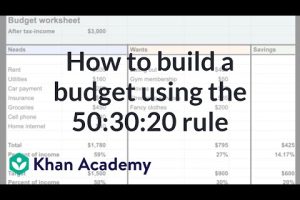
The 50/30/20 Rule Explained
This popular framework divides your after-tax income into three categories:
- 50% Needs: Rent or mortgage, utilities, groceries, insurance, minimum debt payments
- 30% Wants: Dining out, entertainment, subscriptions, shopping
- 20% Savings and Debt Repayment: Emergency fund contributions, retirement accounts, extra debt payments
Many financial coaches recommend beginners start with this structure because it is easy to remember and flexible enough to adapt to different income levels. The 20% savings tier acts as your non-negotiable baseline — treat it like a bill that must be paid to yourself every single pay period.
Track Every Dollar for 30 Days
Before you can save more, you need to understand where your money currently goes. Use a spreadsheet or a budgeting app like YNAB or Mint to log every expense for one full month. You will likely be surprised by small, recurring charges — subscription services you barely use, daily coffee runs, impulse online purchases — that quietly drain your budget. Cutting even a few of these can free up $100 to $300 per month for your savings goals.
Set a Specific Savings Target
Vague goals like “I want to save more” rarely produce results. Instead, define concrete targets such as:
- Save $1,000 in your emergency fund within 60 days
- Build a three-month expense cushion within one year
- Allocate $200 per month toward a vacation fund

Specific, measurable targets give you something tangible to aim for and make it far easier to stay motivated when temptation to overspend appears.
Intermediate Techniques to Accelerate Your Budget Savings
Once you have established a baseline savings habit, you can layer in more sophisticated strategies that compound your progress dramatically.
Automate Your Savings System
One of the most effective budget savings strategies is making saving automatic so that it requires zero willpower. Set up an automatic transfer from your checking account to a dedicated high-yield savings account on payday — the same day your paycheck arrives, if possible. When the money moves before you ever see it in your spending balance, you remove the temptation to overspend. Many banks allow you to set up recurring transfers with just a few clicks, and some employers even offer split-deposit options that route a percentage of your paycheck directly into savings.
Use the Envelope Method for Discretionary Spending
Originally popularized by financial expert Dave Ramsey, the envelope method gives every dollar of your discretionary budget a physical (or digital) home. You allocate cash into envelopes labeled for groceries, entertainment, dining, clothing, and so on. Once an envelope is empty, you stop spending in that category until the next budget cycle. This tactile approach creates a psychological barrier against overspending that digital transactions simply do not provide.
Conduct Quarterly Budget Audits
Your financial situation is not static — income changes, expenses shift, and life goals evolve. Every three months, sit down and review your budget savings performance against your targets. Ask yourself:
- Am I consistently hitting my savings percentage goals?
- Are there expense categories I can reduce further?
- Do my goals need adjusting based on new priorities?
- Have I explored better high-yield savings accounts or investment options?
This regular review keeps your plan aligned with reality and prevents budget drift, where spending quietly creeps back up and erodes your progress.
Advanced Budget Savings Methods for Significant Financial Growth
For experienced savers looking to maximize wealth-building, these advanced techniques take budget savings to the next level.
Income Stacking and Side Hustle Allocation
Rather than simply earning more and spending more, advanced savers practice income stacking — dedicating 100% of any additional income streams to savings or debt payoff. Whether it is a freelance gig, a tax refund, a work bonus, or a cashback rebate, the rule is simple: extra money goes directly to predetermined financial goals.
Zero-Based Budgeting
In a zero-based budget, every single dollar of income is assigned a job — whether that is paying a bill, buying groceries, or going into a savings account — until your income minus expenses equals zero. This method eliminates unallocated money that often leads to mindless spending. It is more labor-intensive than the 50/30/20 rule, but it provides extraordinary precision and control over your finances.
Comparison: Popular Savings Methods
Not every savings method works equally well for every person. Here is a comparison of the most popular approaches to help you choose:
| Method | Best For | Complexity | Savings Potential |
| 50/30/20 Rule | Beginners seeking simplicity | Low | Moderate — 20% baseline |
| Envelope Method | Visual learners, overspenders | Medium | High — creates strong spending awareness |
| Zero-Based Budgeting | Detail-oriented savers | High | Very High — every dollar is intentional |
| Pay-Yourself-First | People who want simplicity and automation | Low | High — savings are prioritized automatically |
Many financial advisors recommend combining elements from multiple methods. For example, using the pay-yourself-first approach for your savings percentage while applying envelope-style discipline to discretionary categories often yields the best long-term results.

Expert Tips That Make Budgeting Sustainable Long-Term
The biggest enemy of budget savings is not a low income — it is burnout. Here are expert-backed strategies to keep your budgeting habit alive for years:
- Build in guilt-free spending: Allocate a small “fun money” category so you never feel deprived.
- Celebrate milestones: Hit a savings goal? Treat yourself to something meaningful (but affordable) to reinforce the behavior.
- Use visual trackers: A savings thermometer or progress chart on your refrigerator makes abstract goals feel real and exciting.
- Review subscriptions ruthlessly: Go through every recurring charge quarterly and cancel anything you have not used in the past 30 days.
- Shop with a list — and wait 24 hours: For any unplanned purchase over $25, impose a 24-hour cooling-off period before buying.
- Reframe budgeting as freedom: Remind yourself daily that saving now means more choices and less stress later.
Frequently Asked Questions
How much should I save each month from my budget to build real financial security?
The standard recommendation is saving at least 20% of your net income, but the right amount depends on your goals and timeline. If you are building an emergency fund from scratch, you may want to allocate more than 20% temporarily until you reach a three- to six-month expense cushion. Once that foundation is in place, you can adjust downward while redirecting funds toward retirement accounts or long-term investment goals. The key is consistency — even saving 10% automatically every month outperforms irregular, higher contributions.
What are the best budget savings tools and apps for tracking expenses in real time?
Several tools stand out for different user needs. YNAB (You Need A Budget) excels at zero-based budgeting and proactive expense planning. Mint offers a free, comprehensive overview of all your accounts in one dashboard. PocketGuard simplifies the process by showing exactly how much disposable income you have left after accounting for bills and goals. For those who prefer a hands-on approach, a simple Google Sheets template with automated formulas can be just as effective as any app — the best tool is the one you will actually use consistently.
Can I still save money effectively on a tight budget with very low monthly income?
Absolutely. Budget savings is not about having excess money — it is about making intentional choices with the money you have. Even $25 or $50 per month builds the habit and creates momentum. Start by auditing your expenses to find small cuts: reduce a streaming subscription, cook at home a few more nights per week, or negotiate a lower rate on recurring bills. The psychological benefit of seeing your savings grow, even in small amounts, often triggers a ripple effect that motivates further income growth and spending adjustments over time.
What is the difference between an emergency fund and a sinking fund in a personal budget savings plan?
An emergency fund is a reserve of three to six months of essential living expenses set aside for unexpected events like job loss, medical emergencies, or major car repairs. A sinking fund is a smaller, goal-specific savings pool set aside for planned expenses that are predictable but not monthly — such as annual car registration, holiday gift-giving, home maintenance, or a vacation. Both are critical components of a healthy budget savings strategy, but they serve different purposes. Emergency funds provide a safety net, while sinking funds prevent planned expenses from disrupting your monthly cash flow.
How long does it typically take to see meaningful results from a disciplined budget savings routine?
Most people notice a meaningful shift in their financial confidence within the first 90 days of consistent budgeting. You will likely see reduced financial anxiety, fewer surprises when bills arrive, and a growing sense of control within the first three months. By the six-month mark, many savers have built a starter emergency fund and developed a clearer picture of their spending patterns. Significant wealth accumulation — such as reaching a six-figure savings balance — typically takes three to five years of disciplined practice, but the compound effect of consistent saving accelerates dramatically once habits are firmly established.
Conclusion
Budget savings is a skill that compounds over time, much like the money you are setting aside. It does not require a high income, a finance degree, or perfection — it requires intention, consistency, and a willingness to adapt as your life changes. Start with the foundational strategies outlined in this article, build momentum through automation and tracking, and gradually layer in more advanced techniques as your confidence grows. Every dollar you save intentionally is a vote for the future version of yourself — the one with more freedom, more options, and less financial stress. Your journey toward meaningful budget savings starts with a single, deliberate decision today. Make that choice, protect it with a system, and watch your financial life transform one month at a time.