Mastering the art of budget tips isn’t about cutting every ounce of joy from your life — it’s about directing your money with intention so that every dollar works harder for you. Whether you’re just starting your first job, juggling multiple income streams, or trying to build wealth for the long haul, a well-structured budget serves as the financial blueprint that keeps you on track. The truth is, most people don’t struggle because they earn too little; they struggle because they never learned how to organize what they have. This guide breaks down actionable, proven budget tips for beginners, intermediate savers, and advanced wealth builders alike. From the 50/30/20 rule to zero-based budgeting and beyond, these strategies are designed to help you stop living paycheck to paycheck and start building a future you can actually enjoy.
Why Budgeting Is the Foundation of Financial Health
Before diving into specific techniques, it’s worth understanding why budgeting holds such power. A budget isn’t a restriction — it’s a financial plan that gives you clarity, reduces stress, and creates accountability. Research consistently shows that people who maintain a monthly budget are far less likely to carry high-interest debt and more likely to have an emergency fund. Budgeting helps you identify spending leaks you never noticed, align your money with your personal values, and make progress toward goals like buying a home, paying off student loans, or retiring early. Without a clear spending plan, even a generous salary can slip through your fingers in the blink of an eye.
Essential Budgeting Methods for Every Income Level
Not every budgeting approach works for every person. The key is finding a method that matches your lifestyle, income frequency, and financial goals. Below are some of the most effective strategies that real people use to take control of their finances.
The 50/30/20 Rule — Simple and Beginner-Friendly
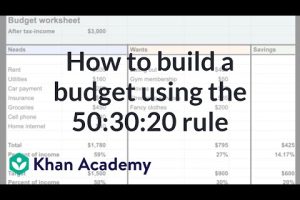
This is often the best starting point for anyone new to budgeting. The idea is straightforward: allocate 50% of your after-tax income to needs (housing, utilities, groceries, insurance), 30% to wants (dining out, entertainment, subscriptions), and 20% to savings and debt repayment. It’s a zero-thinking framework that requires only a basic spreadsheet or budgeting app to implement.
Zero-Based Budgeting — Precision for Intermediate Savers
With zero-based budgeting, every single dollar of income gets assigned a job before the month begins. Your income minus your expenses should equal zero. This method forces you to be hyper-aware of where money goes and eliminates the “mystery spending” that derails so many financial plans. It takes more effort than the 50/30/20 rule, but the level of control it gives you is unmatched.
The Envelope System — Cash-Based Discipline
The envelope system involves withdrawing cash and dividing it into physical envelopes labeled by category — groceries, transportation, entertainment, and so on. Once an envelope is empty, you stop spending in that category until the next pay cycle. This tactile approach creates a psychological barrier against overspending that digital transactions simply don’t replicate. It’s especially effective for people who struggle with impulse purchases.
Pay-Yourself-First — The Wealth Builder’s Approach
Popularized by personal finance experts, the pay-yourself-first method reverses the traditional budgeting order. Instead of paying bills and then saving whatever’s left (which is rarely anything), you automatically transfer a set percentage of your income into savings and investments first, then cover expenses with what remains. This approach accelerates wealth building and ensures that financial goals aren’t perpetually sacrificed to daily spending.
Advanced Budgeting Strategies for Long-Term Financial Success
Once you’ve mastered the basics, it’s time to level up. Advanced budgeters focus on optimization, automation, and strategic allocation that maximizes every financial opportunity.
1. Automate Your Savings and Bill Payments — Setting up automatic transfers to savings accounts and autopay for recurring bills removes the temptation to skip contributions or forget due dates. Automation turns budgeting from a daily chore into a hands-off system that runs in the background.
2. Use sinking funds for irregular expenses — Sinking funds are dedicated savings categories for predictable but infrequent costs like car maintenance, holiday gifts, annual insurance premiums, or property taxes. Instead of getting blindsided by a $1,200 car repair, you set aside $100 per month into a dedicated fund. This is a game-changer for financial predictability.
3. Conduct a monthly budget review and adjust — No budget stays perfect after month one. Reviewing your actual spending against your plan helps you identify patterns, correct course, and celebrate wins. Treat it like a financial checkup — non-negotiable and recurring.
4. Leverage budgeting apps and tools — Platforms like YNAB, Mint, EveryDollar, and Monarch Money can sync with your bank accounts, categorize transactions automatically, and generate visual reports. These tools save hours of manual tracking and provide real-time insight into your financial health.
5. Build a margin of error into every budget — Life is unpredictable. Medical bills, car trouble, and surprise travel costs happen. Experts recommend building a buffer of roughly 5-10% into your monthly budget so that unexpected expenses don’t sabotage your entire plan.

Budgeting Methods Compared
| Method | Best For | Complexity | Key Benefit |
| 50/30/20 Rule | Budgeting beginners | Low | Simple, fast to set up |
| Zero-Based Budgeting | Intermediate planners | Medium | Maximum control over every dollar |
| Envelope System | Overspenders and cash users | Medium | Built-in spending caps |
| Pay-Yourself-First | Long-term wealth builders | Low to Medium | Accelerates savings automatically |
| Hybrid Approach | Advanced budgeters | High | Combines strengths of multiple methods |
The right method depends entirely on your personality, income stability, and financial goals. Many successful budgeters combine elements — using zero-based budgeting for their primary checking account while maintaining sinking funds for irregular expenses. The goal isn’t perfection; it’s progress.
Practical Budgeting Tips You Can Start Today
You don’t need to overhaul your entire financial life overnight. Start with one or two of these budgeting tips for beginners and build from there:
- Track every expense for 30 days before making any budget. This reveals your actual spending patterns, not the ones you think you have.
- Separate needs from wants ruthlessly. A daily $7 latte adds up to $210 per month — that’s a vacation fund in the making.
- Set specific savings goals with deadlines. “Save $3,000 for an emergency fund in six months” is far more motivating than a vague desire to “save more.”
- Audit your subscriptions quarterly. Cancel anything you haven’t used in 30 days. Most people discover they’re paying for services they forgot they even signed up for.
- Negotiate recurring bills. Call your internet provider, insurance company, and credit card issuer annually. Many offer loyalty discounts or hardship rates if you simply ask.
- Use the 24-hour rule for non-essential purchases. If you see something you want, wait 24 hours before buying. Most impulse purchases lose their appeal within a day.
These money-saving tips for beginners are deceptively simple, but their cumulative impact over time is enormous. Consistency beats complexity every time in personal finance.
Common Budgeting Mistakes to Avoid
Even the most motivated budgeters can fall into traps that undermine their efforts. One of the most common mistakes is creating a budget that’s too restrictive, which leads to burnout and abandonment within weeks. Another is failing to account for irregular expenses like car registration or annual memberships. Some people also neglect to budget for fun and entertainment, which creates a sense of deprivation that makes the whole process feel unsustainable. Finally, never compare your budget to someone else’s income or lifestyle — your numbers are unique to your circumstances, and the only meaningful comparison is against your own past performance.
Frequently Asked Questions About Budgeting Tips
What is the easiest budgeting method for someone with no financial experience?
The 50/30/20 rule is widely considered the simplest entry point for budgeting beginners. It requires no complex categorization — just three broad buckets for needs, wants, and savings. You can set it up in minutes using a basic spreadsheet or free budgeting app.
How often should I review and adjust my monthly budget?
Financial experts recommend reviewing your budget at least once a month, ideally at the same time each month. A weekly five-minute check-in also helps you catch overspending early and make real-time adjustments before problems compound.
What should I do if my budget shows I’m consistently overspending?
If your budget reveals persistent overspending in a particular category, don’t panic. First, identify the specific area driving the excess. Then, either reduce spending in that category by finding cheaper alternatives or reallocate funds from lower-priority categories. Adjusting your budget to reflect reality is not failure — it’s the entire point of the exercise.
Is it better to budget based on gross income or net income?
Always budget based on your net income — the amount that actually hits your bank account after taxes and deductions. Planning around gross income creates a false sense of available funds and leads to persistent shortfalls at the end of each month.
How can I stick to a budget when I have unpredictable income?
For freelancers, gig workers, or anyone with variable income, the average monthly income method works well. Calculate your average income over the past six to twelve months, budget conservatively using the lowest-earning month as your baseline, and funnel any surplus into a buffer fund for leaner months.
Can budgeting tips actually help me pay off debt faster?
Absolutely. A well-structured budget creates the spending awareness needed to free up extra money for debt repayment. Techniques like the debt avalanche (paying off highest-interest debt first) or debt snowball (paying off smallest balances first) work best when supported by a clear monthly spending plan that prioritizes debt reduction.
Final Thoughts on Building a Budget That Actually Works
Budgeting isn’t a one-time event — it’s a living, evolving practice that grows with you. The best budget tips in the world mean nothing if you don’t commit to showing up consistently, reviewing your progress honestly, and adjusting when life throws curveballs. Start small, stay flexible, and remember that every dollar you direct with purpose is a step toward financial freedom. You don’t have to be perfect. You just have to be intentional. The journey to financial confidence begins with a single, well-planned budget — and the one you build today could change the trajectory of your entire financial life.