


Understanding the budget definition in economics goes far beyond simply tracking your monthly expenses. Whether you are an individual managing household finances, a business owner allocating capital, or a government planner drafting fiscal policy, the concept of a budget serves as the backbone of economic decision-making. At its core, a budget is a quantitative plan that forecasts income, expenditures, and resource allocation over a specific period. But the nuances of budgeting in economics reveal a much richer and more strategic discipline that shapes everything from personal savings goals to national economic policy.
This comprehensive guide dives deep into what a budget truly means within the economic framework, explores its various forms, and provides actionable insights for applying budgeting principles in real-world scenarios. Whether you are a beginner just starting your financial literacy journey or an intermediate learner looking to refine your approach, this article covers the spectrum from foundational concepts to advanced budgeting strategies.
What Is a Budget Definition in Economics?
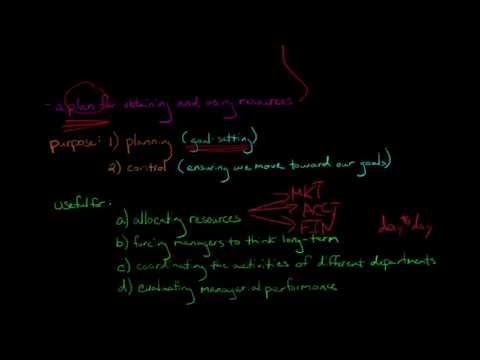
In economics, a budget definition refers to a formal financial plan that outlines expected revenues and anticipated spending over a defined timeframe. It functions as a roadmap for how resources — whether money, time, or materials — will be distributed to achieve specific economic objectives. Economists view a budget not merely as a spreadsheet but as a resource allocation tool that reflects priorities, constraints, and strategic goals.
The budget definition economics community widely accepts encompasses three critical dimensions:
- Forecasting: Estimating future income streams and expenditure patterns based on historical data and market conditions.
- Allocation: Distributing limited resources across competing needs to maximize utility or return.
- Control: Monitoring actual performance against planned figures to identify variances and adjust behavior accordingly.
Without a clearly defined budget, individuals and organizations operate without financial discipline, often leading to overspending, debt accumulation, and missed opportunities. A well-structured budget transforms vague financial intentions into measurable, accountable plans.
Why Budgeting Matters in Economic Theory
Budgeting sits at the intersection of microeconomics and macroeconomics, influencing decisions at every level of economic activity. The importance of budgeting in economics cannot be overstated, as it directly ties into concepts like scarcity, opportunity cost, and efficient resource distribution.
Personal Budgeting and Microeconomics
On the individual level, a personal budget reflects the budget constraint — a fundamental concept in microeconomic theory. Consumers face finite income and unlimited wants, meaning every dollar spent on one category represents a dollar not spent on another. This trade-off is the essence of opportunity cost, and a budget makes these trade-offs visible and manageable.
Key reasons personal budgeting matters in microeconomic theory:
- It forces individuals to prioritize spending based on needs versus wants.
- It creates awareness of consumption patterns and behavioral spending triggers.
- It builds a financial cushion that reduces vulnerability to economic shocks.
- It enables goal-setting, whether for emergency funds, retirement, or major purchases.
Government Budgeting and Macroeconomics
At the macroeconomic level, the government budget plays a pivotal role in shaping national economic outcomes. Fiscal policy — the use of government spending and taxation to influence the economy — depends entirely on a well-constructed budget. A budget surplus can reduce inflation and pay down national debt, while a budget deficit may stimulate economic growth during recessions by injecting money into the economy.
Government budgets also reflect policy priorities, allocating funds to sectors like healthcare, education, defense, and infrastructure. The political and economic debates surrounding federal and state budgets reveal how resource allocation decisions affect millions of citizens and entire industries.
Key Components of an Economic Budget
A thorough understanding of budget definition economics requires familiarity with its essential components. Every economic budget, whether personal or governmental, contains the following building blocks:
| Component | Description | Example |
| Income (Revenue) | All incoming financial resources, including wages, investments, taxes, or grants. | Monthly salary of $4,500 or annual tax revenue of $4 trillion. |
| Fixed Expenses | Costs that remain constant regardless of activity level or usage. | Rent, insurance premiums, loan payments. |
| Variable Expenses | Costs that fluctuate based on usage, production, or consumption levels. | Groceries, utilities, raw materials for manufacturing. |
| Discretionary Spending | Non-essential expenditures that provide lifestyle value but are not mandatory. | Entertainment, dining out, luxury purchases. |
| Savings and Investments | Funds set aside for future use, wealth building, or emergency reserves. | Retirement contributions, index fund purchases, emergency fund deposits. |
| Budget Deficit or Surplus | The gap between total expenditures and total revenues over a period. | Spending $50,000 more than income in a fiscal year = deficit. |
Each component interacts with the others, and understanding these relationships is critical to creating a budget that is both realistic and adaptable to changing economic conditions.
Types of Budgets in Economics
Not all budgets are created equal. Different economic contexts demand different budgeting approaches. The following table compares the major types of budgets used in economics:
| Budget Type | Primary Use | Time Horizon | Key Characteristic |
| Zero-Based Budget | Personal finance, corporate planning | Monthly or annually | Every expense must be justified from scratch each period. |
| Incremental Budget | Government agencies, large organizations | Annually | Adjusts the previous year’s budget by a fixed percentage or increment. |
| Flexible Budget | Businesses with variable production volumes | Quarterly or annually | Adjusts expense projections based on actual activity levels. |
| Static Budget | Stable-income households, government planning | Annually | Remains unchanged regardless of actual income or output fluctuations. |
| Capital Budget | Government infrastructure, corporate investments | Multi-year | Focuses on long-term asset acquisition and major capital expenditures. |

Choosing the right budget type depends on your financial stability, income variability, and long-term objectives. For instance, a zero-based budget works exceptionally well for individuals who want complete control over every dollar, while governments often rely on incremental budgeting due to the complexity of managing millions of line items.
How to Build an Effective Economic Budget
Building a budget that actually works requires more than listing numbers on a page. Follow this practical framework to create a budget grounded in economic principles:
- Track all income sources — Identify every stream of revenue, including side gigs, investment dividends, and passive income.
- Categorize your expenses — Separate fixed costs, variable costs, and discretionary spending to understand where your money goes.
- Set clear financial goals — Define short-term goals (pay off credit card debt in 12 months) and long-term goals (build a $50,000 emergency fund).
- Apply the 50/30/20 rule — Allocate 50% of income to needs, 30% to wants, and 20% to savings and debt repayment.
- Monitor and adjust monthly — Compare actual spending against planned figures and refine your budget each cycle.
- Build in a buffer — Include a miscellaneous or emergency category to absorb unexpected expenses without derailing your plan.
The beauty of this framework is its scalability. Whether you are budgeting a household income of $3,000 per month or a national budget of hundreds of billions, the underlying economic logic remains consistent.
Common Budgeting Mistakes and How to Avoid Them
Even the most well-intentioned budgeters fall into predictable traps. Here are the most common errors and expert strategies to prevent them:
- Ignoring irregular expenses: Annual subscriptions, car maintenance, and holiday gifts often catch people off guard. Allocate a monthly amount for these by dividing the annual total by 12.
- Overestimating income: Use your lowest reliable income figure rather than your best month to build a conservative budget.
- Neglecting to track small purchases: Frequent small expenses — coffee, snacks, impulse online purchases — compound significantly over time.
- Failing to review regularly: A budget is a living document, not a one-time exercise. Review it weekly or at minimum monthly.
- Setting unrealistic goals: Aggressive savings targets can lead to burnout. Start modest and increase contributions gradually.
Avoiding these pitfalls transforms budgeting from a chore into a sustainable financial habit that compounds benefits over time.
Expert Tips for Advanced Budgeting
For those ready to elevate their financial planning beyond the basics, consider these advanced strategies rooted in economic theory:
- Implement envelope budgeting: Allocate cash into separate envelopes for each spending category. Once an envelope is empty, you stop spending in that category — a powerful behavioral constraint.
- Use the sinking fund method: Set aside money each month for large, predictable future expenses like car replacements or annual insurance premiums.
- Apply marginal analysis: Evaluate whether the next dollar spent generates more utility than the next dollar saved. This economic principle helps optimize your spending-savings balance.
- Automate savings transfers: Treat savings as a non-negotiable expense by automating transfers on payday, removing the temptation to spend first and save what remains.
- Conduct quarterly budget audits: Review your budget every three months to identify trends, eliminate waste, and realign spending with evolving priorities.
Conclusion
The budget definition in economics is far more than a simple spending plan — it is a strategic framework for making informed decisions with limited resources. From the microeconomic budget constraint that governs individual consumer behavior to the massive fiscal budgets that steer national economies, the principles of budgeting remain universally relevant. By understanding the components, types, and practical applications of economic budgeting, you gain the tools to take control of your financial future with confidence and clarity.
Whether you are building your first budget or refining an existing one, the key is consistency, flexibility, and a commitment to aligning your spending with your values and goals. Start today, review regularly, and watch how a well-crafted budget transforms your relationship with money.
Frequently Asked Questions
What does budget definition mean in economics?
In economics, a budget definition refers to a systematic financial plan that projects income and expenditures over a specific period. It serves as a resource allocation tool that helps individuals, businesses, and governments make informed decisions about how to distribute limited financial resources to meet their objectives.
Why is the government budget important in economics?
The government budget is a critical instrument of fiscal policy. It determines how public funds are raised through taxation and spent on public services, infrastructure, and welfare programs. The balance between government revenue and spending — whether a surplus, deficit, or balanced budget — directly impacts inflation, national debt, interest rates, and overall economic growth.
What is the difference between a static and a flexible budget?
A static budget remains unchanged regardless of actual activity levels or income fluctuations, making it suitable for stable financial environments. A flexible budget, on the other hand, adjusts expense projections based on real-time changes in revenue or production volume, offering greater accuracy for businesses and individuals with variable income streams.
How does budgeting relate to opportunity cost?
Budgeting and opportunity cost are deeply connected economic concepts. Every dollar allocated to one expense category represents a dollar not available for another use. A budget makes these trade-offs explicit, helping decision-makers evaluate whether the chosen allocation of resources generates the highest possible return or utility.
What is the 50/30/20 rule in personal budgeting?
The 50/30/20 rule is a popular budgeting framework that divides after-tax income into three categories: 50% for needs (housing, food, utilities), 30% for wants (entertainment, dining, hobbies), and 20% for savings and debt repayment. It provides a simple yet effective structure for individuals seeking a balanced approach to financial planning.
Can budgeting help reduce household debt?
Yes, budgeting is one of the most effective tools for reducing household debt. By tracking expenses, identifying wasteful spending, and directing surplus funds toward debt repayment, a well-structured budget accelerates the payoff of credit cards, loans, and other liabilities while preventing new debt from accumulating.