


Every individual, household, and business operates within a financial ecosystem shaped by what you spend over the course of a full year. Understanding your annual expenses is not just about knowing where your money goes — it is the foundation of sound financial planning, smarter budgeting, and long-term wealth building. Whether you are a freelancer tracking every dollar, a small business owner managing operational costs, or a household trying to save more each year, having a clear picture of your yearly spending is the single most powerful financial habit you can adopt. In this comprehensive guide, we will break down everything you need to know about annual expenses, from the basics to advanced strategies that real experts use to optimize their yearly spending.
What Are Annual Expenses?
Annual expenses refer to all the costs you incur over a 12-month period that go beyond your day-to-day or monthly spending patterns. These include recurring bills, one-time purchases, seasonal costs, and irregular financial obligations that collectively define your total yearly expenditure. Unlike monthly rent or a weekly grocery run, annual expenses often catch people off guard because they do not appear in your routine budget on a predictable schedule. Think of insurance premiums, property taxes, holiday spending, vehicle registration fees, and annual subscriptions — all of these can add up to thousands of dollars if you are not actively tracking them.
The distinction between monthly expenses and yearly costs is critical. Monthly recurring expenses are easy to monitor because they show up automatically every month. Annual expenses, however, are often lump-sum payments or periodic charges that require deliberate planning. Failing to account for these costs is one of the top reasons people experience financial surprises, undersized emergency funds, and end-of-year budget shortfalls.
Why Tracking Your Annual Expenses Matters
Tracking your yearly spending is not just an accounting exercise — it is a financial survival strategy. Here is why taking the time to map out your annual expenses can genuinely transform your financial health:
- Prevents budget blind spots. Many people operate on a monthly budget without accounting for quarterly or annual bills, leading to cash flow crises when those payments come due.
- Improves savings goals. When you know your total yearly costs, you can allocate a specific percentage of income toward savings and investments with precision.
- Reduces financial stress. Knowing what is coming — and when — eliminates the anxiety of unexpected bills and gives you a sense of control over your money.
- Supports smarter spending decisions. Awareness of your annual cost breakdown helps you identify areas where you can cut back, negotiate better rates, or eliminate waste entirely.
- Enhances tax preparation. Many annual expenses are tax-deductible, and having a categorized record of them throughout the year makes tax filing significantly easier and more accurate.

Common Types of Annual Expenses
Annual expenses span a wide range of categories, and understanding each one helps you build a more accurate financial picture. Below are the most common types of yearly costs that individuals and households face.
Fixed Annual Expenses
Fixed annual expenses are costs that remain relatively stable from year to year. These are predictable and non-negotiable in most cases. Examples include:
- Homeowners or renters insurance premiums
- Vehicle insurance and registration renewal fees
- Property taxes
- Annual gym or club memberships
- Subscription services billed annually (streaming platforms, software licenses, cloud storage)
- Professional license or certification renewals
Variable Annual Expenses
Variable annual expenses fluctuate based on usage, lifestyle choices, and external factors. These are the costs you have more control over but that can still surprise you at year-end:
- Holiday gifts and seasonal celebrations
- Travel and vacation costs
- Home maintenance and repairs
- Medical expenses not covered by insurance
- Charitable donations and gifts
- Education-related costs such as tuition or course fees
Irregular or Infrequent Annual Expenses

These are the expenses that do not occur every year or happen only once, yet they still need to be budgeted for:
- Vehicle replacement or major repairs
- Appliance purchases
- Wedding or milestone event costs
- Annual pet veterinary checkups and vaccinations
- Home improvement projects
Annual Expenses by Category Comparison
To give you a clearer sense of where your money goes each year, here is a comparison table breaking down common annual expense categories, typical spending ranges, and whether they tend to be fixed or flexible.
| Expense Category | Typical Annual Range | Fixed or Flexible | Budget Priority |
| Housing (property tax, insurance) | $2,000 – $8,000 | Fixed | High |
| Vehicle costs (insurance, registration, maintenance) | $1,500 – $4,500 | Mixed | High |
| Health insurance & medical costs | $3,000 – $7,000 | Fixed | High |
| Subscriptions & memberships | $500 – $2,000 | Flexible | Medium |
| Holiday & gift spending | $500 – $2,500 | Flexible | Medium |
| Travel & vacations | $1,000 – $5,000 | Flexible | Medium |
| Home repairs & maintenance | $1,000 – $3,000 | Flexible | Medium |
| Education & professional development | $200 – $3,000 | Flexible | Low |
How to Calculate Your Total Annual Expenses
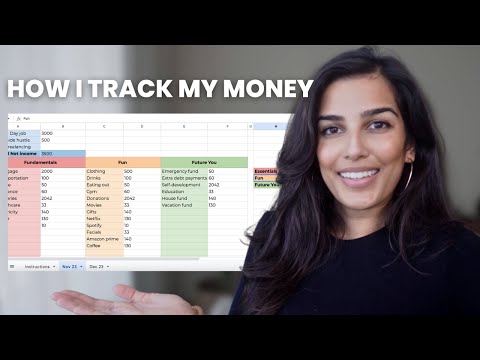
Calculating your total annual expenses does not require advanced accounting skills. The key is to be thorough and honest about every dollar that leaves your account over a 12-month period. Here is a step-by-step approach that financial planners and budgeting experts recommend:
- Gather 12 months of bank and credit card statements. This gives you a complete transaction history and removes guesswork.
- Categorize every transaction. Group each expense into categories such as housing, transportation, healthcare, food, subscriptions, and discretionary spending.
- Identify annual and one-time charges. Look for lump-sum payments that might have been buried in a single month, like annual insurance premiums or quarterly tax payments.
- Average variable expenses. For costs that fluctuate (like groceries or entertainment), calculate a monthly average and multiply by twelve.
- Add a buffer. Include a 5 to 10 percent contingency buffer to account for unexpected costs that inevitably arise.
- Use a tracking tool. Apps like YNAB, Mint, or even a simple spreadsheet can automate much of this process and provide visual dashboards of your yearly spending.
Expert Tips for Reducing Annual Expenses
Once you have a clear picture of your annual costs, the next logical step is to find opportunities to reduce them without sacrificing quality of life. Here are proven strategies that financial experts swear by:
- Audit your subscriptions annually. Cancel services you are not actively using. Many people carry three to five unused subscriptions that quietly drain $500 or more per year.
- Bundle insurance policies. Combining home and auto insurance with the same provider often unlocks significant discounts.
- Negotiate recurring bills. Service providers — from internet to phone to gym memberships — often have retention offers available if you ask. A single phone call can save hundreds annually.
- Pay annually when discounts are offered. Many software and service providers offer 10 to 20 percent off for annual versus monthly payments.
- Plan for seasonal spending in advance. Set aside money each month for holiday gifts, vacation, and other predictable yearly costs so you never have to rely on credit cards.
- Review your tax deductions. Ensure you are claiming every eligible annual expense deduction to keep more of your hard-earned money.
Frequently Asked Questions
What is the difference between annual expenses and monthly expenses?
Annual expenses are costs that occur once a year or on an irregular yearly basis, such as insurance premiums, property taxes, or annual subscriptions. Monthly expenses are recurring costs you pay every month, like rent, utilities, and groceries. The key difference is frequency and predictability — annual expenses require dedicated savings planning throughout the year, whereas monthly expenses fit naturally into a standard monthly budget.
How can I estimate my annual expenses if I do not have a full year of records?
If you lack 12 months of transaction history, start by listing every recurring bill you pay. Multiply monthly costs by 12, and research any known annual charges (like vehicle registration or insurance premiums). Add estimates for variable categories based on past behavior, and consult average spending benchmarks for your household size and location. This gives you a reasonable ballpark to begin budgeting effectively.
Are annual expenses tax-deductible?
Many annual expenses can be tax-deductible depending on your situation and local tax laws. Common deductible items include mortgage interest, property taxes, business-related subscriptions, professional development courses, and medical expenses that exceed a certain percentage of your adjusted gross income. Consulting a tax professional ensures you do not miss legitimate deductions.
What is the best way to budget for irregular annual expenses?
The most effective strategy is to create a sinking fund — a dedicated savings account where you set aside a small amount each month specifically for irregular annual costs. By dividing the estimated annual cost by 12, you build a steady reserve that prevents those expenses from derailing your monthly budget when they come due.
How often should I review my annual expenses?
Financial advisors recommend reviewing your annual expenses at least twice a year — once at the beginning of the year to plan for upcoming costs, and once at the year-end to analyze spending patterns and identify areas for improvement in the coming year. Quarterly reviews are even better for active budgeters who want maximum control over their finances.
Final Thoughts
Mastering your annual expenses is one of the most impactful financial moves you can make. It moves you from reactive spending to proactive planning, from financial anxiety to financial confidence. By understanding the different types of yearly costs, tracking them consistently, and actively looking for ways to reduce unnecessary spending, you set yourself up for a healthier financial life — not just this year, but for years to come. Start today. Gather your statements, categorize every cost, and build a yearly spending plan that works for the life you want to live.