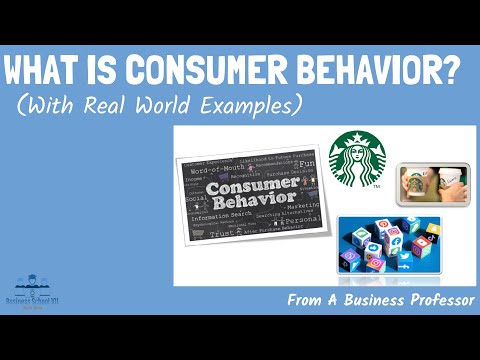
Understanding consumer behaviour trends has never been more critical for brands, marketers, and business leaders navigating an increasingly complex marketplace. Today’s shoppers are more informed, more connected, and more intentional than ever before. They no longer simply respond to advertisements or follow brand loyalty out of habit — they research, compare, and make purchasing decisions based on values, experiences, and personalised interactions. For businesses, keeping pace with these shifts is not optional; it is essential for survival and growth. This article dives deep into the most impactful consumer behaviour trends reshaping the commercial landscape, offering practical insights, expert tips, and actionable strategies you can apply right away.
What Are Consumer Behaviour Trends?
Consumer behaviour trends refer to the evolving patterns, preferences, and decision-making processes that define how individuals discover, evaluate, purchase, and engage with products and services. These trends are shaped by a combination of technological advancements, cultural shifts, economic conditions, and psychological factors. Unlike short-term fads, lasting consumer behaviour trends reflect deeper changes in attitudes and expectations that persist over months or even years. From the way people browse products on mobile devices to the growing demand for ethical sourcing and transparency, these patterns give businesses a roadmap for anticipating what customers want before they even articulate it.
Why Consumer Behaviour Trends Matter for Businesses
Staying informed about evolving consumer habits directly impacts revenue, brand loyalty, and competitive positioning. Companies that ignore shifts in consumer behaviour risk becoming irrelevant, while those that adapt quickly gain significant advantages in customer acquisition and retention.

- Better targeting: Understanding current buying patterns allows marketers to craft campaigns that resonate with specific audience segments.
- Product development: Trend data reveals unmet needs and emerging preferences, guiding innovation pipelines.
- Customer retention: Aligning with consumer expectations reduces churn and deepens loyalty over time.
- ROI optimisation: Spending marketing budgets on channels and messages that match actual behaviour yields higher returns.
Key Drivers Shaping Modern Consumer Habits
Several powerful forces are driving the transformation of consumer behaviour right now. Digitalisation has placed an entire world of products at consumers’ fingertips through smartphones and voice assistants. The post-pandemic era permanently altered shopping habits, accelerating the adoption of e-commerce and contactless transactions. Social media continues to influence purchasing decisions through peer reviews, influencer recommendations, and immersive content. Meanwhile, growing awareness around climate change, social justice, and corporate responsibility has made values-based consumption a dominant factor. Understanding these drivers is the first step toward building a strategy that keeps pace with — and ahead of — the competition.
Top Consumer Behaviour Trends to Watch in 2024 and Beyond
1. The Rise of Value-Driven and Sustainable Purchasing
Modern consumers are increasingly making buying decisions based on environmental and social impact. Sustainability is no longer a niche concern — it has become a mainstream expectation. Shoppers want to know where their products come from, how they are manufactured, and what happens after disposal. Brands that communicate authentic sustainability efforts through transparent supply chains and verifiable certifications gain a distinct competitive edge. Greenwashing, on the other hand, is rapidly penalised by informed consumers who fact-check claims before committing to a purchase.
2. Omnichannel Shopping Expectations
Today’s consumer moves seamlessly between online and offline touchpoints. They might browse products on a mobile app, compare prices through a desktop website, read reviews on social media, and ultimately purchase in a physical store. This integrated journey defines the omnichannel experience, and businesses that fail to deliver a unified presence across all channels lose out. Personalisation across every interaction — whether through email, in-store, or digital ads — has become a baseline expectation rather than a luxury.
3. Hyper-Personalisation Through AI and Data Analytics
Artificial intelligence and advanced data analytics are enabling brands to deliver highly personalised experiences at scale. From dynamic pricing and product recommendations to tailored email campaigns and custom landing pages, consumers now expect brands to understand their unique preferences. Machine learning models analyse browsing history, purchase patterns, and engagement data to predict what a customer wants before they search for it. The companies leading in this space treat personalisation not as a single campaign but as a continuous, data-informed dialogue with every individual customer.
4. The Surge in Social Commerce
Social media platforms have evolved from networking spaces into full-fledged shopping destinations. Instagram, TikTok, and Pinterest now feature shoppable posts, live-streamed product launches, and integrated checkout experiences. Consumers increasingly discover and purchase products directly within social apps, bypassing traditional search engines and websites. This trend is especially strong among younger demographics, who trust peer-generated content and short-form video more than conventional advertising. Brands that invest in social commerce strategies — including influencer partnerships and user-generated content campaigns — see significantly higher conversion rates.
5. Micro-Moment Decision-Making
Google popularised the concept of micro-moments — those intent-rich instances when a consumer turns to a device to act on a need. Today, these moments are shorter, more fragmented, and more mobile-driven. A consumer might watch a 30-second product review during a commute, read three comparison articles during lunch, and make a purchase within minutes. Brands must be present and optimised for these split-second decision windows, ensuring their content, product listings, and checkout processes are frictionless and mobile-first.
Traditional vs. Modern Consumer Behaviour: A Comparison
The table below highlights how consumer decision-making has fundamentally shifted over the past decade.

| Aspect | Traditional Consumer Behaviour | Modern Consumer Behaviour |
| Information Source | Television, print ads, word of mouth | Social media, influencer reviews, search engines |
| Purchase Channel | Primarily in-store | Omnichannel — online, mobile, and in-store |
| Decision Driver | Price and brand familiarity | Values, personalisation, and experience |
| Brand Loyalty | High, long-term commitment | Fluid, willingness to switch for better value |
| Post-Purchase Engagement | Minimal, mostly complaint-driven | Active reviews, social sharing, community participation |
| Expectation for Speed | Days or weeks for delivery | Same-day or instant delivery expected |
Practical Recommendations for Adapting to Shifting Consumer Habits
Adapting to changing consumer behaviour requires a deliberate, multi-layered approach. Here are concrete steps businesses can take right now:
- Audit your data infrastructure. Ensure you are collecting and analysing first-party behavioural data across all customer touchpoints. Without clean, comprehensive data, personalisation and trend prediction remain impossible.
- Invest in mobile optimisation. With the majority of purchase journeys beginning on mobile devices, your website, checkout process, and customer service channels must be optimised for smaller screens and faster load times.
- Build authentic sustainability narratives. Rather than making vague green claims, provide specific, verifiable information about your sourcing, manufacturing, and environmental initiatives. Consumers reward transparency with trust and spending.
- Embrace social commerce. Set up shoppable profiles, collaborate with relevant influencers, and create short-form video content that drives directly to purchase.
- Map the customer journey end to end. Identify every micro-moment where a potential customer interacts with your brand and ensure each touchpoint delivers value and reduces friction.
Expert Tips for Staying Ahead of the Curve
Top-performing brands don’t just react to consumer behaviour trends — they anticipate them. Here are expert-level strategies to maintain your competitive advantage:
- Run quarterly trend audits using tools like Google Trends, social listening platforms, and industry reports to catch emerging shifts early.
- Create cross-functional teams that bring together marketing, data science, product development, and customer service to respond holistically to changing preferences.
- Experiment with emerging technologies such as augmented reality for virtual try-ons and conversational AI for personalised shopping assistants.
- Prioritise customer feedback loops — surveys, reviews, and community forums — as primary sources of trend intelligence.
- Test and iterate quickly. The brands winning today are those willing to launch small experiments, measure results, and scale what works.
Frequently Asked Questions
What are the most important consumer behaviour trends for small businesses?
Small businesses should focus on personalisation, omnichannel presence, and authentic storytelling. Consumers expect small brands to feel human and relatable, so leveraging your unique voice and community connections can compete with larger corporations effectively.
How has COVID-19 permanently changed consumer purchasing habits?
The pandemic permanently accelerated digital adoption, normalized contactless payments, and heightened expectations for fast, flexible delivery. Many consumers who reluctantly shifted to online shopping during lockdowns have since become habitual digital buyers, and this shift shows no sign of reversing.
What role does artificial intelligence play in predicting consumer behaviour?
AI analyses vast datasets to identify patterns in browsing behaviour, purchase history, and engagement metrics. This enables predictive modelling that forecasts what products a customer is likely to want, when they are most likely to buy, and which messaging will resonate most effectively.
How can brands measure whether their consumer engagement strategies are working?
Key metrics include customer lifetime value, net promoter score, conversion rate across channels, repeat purchase frequency, and social sentiment analysis. Combining quantitative data with qualitative insights from reviews and surveys provides the most complete picture.
Why do consumers switch brands more frequently today than in the past?
Greater access to information, comparison tools, and peer reviews has reduced the friction of switching brands. When consumers feel their values are not aligned with a brand or when a competitor offers a better experience, the cost of switching is lower than ever before.
Conclusion
Consumer behaviour trends are reshaping every aspect of how businesses connect with their audiences. From value-driven purchasing and social commerce to AI-powered personalisation and micro-moment marketing, the landscape demands agility, authenticity, and deep customer understanding. The brands that thrive in this environment are those that treat consumer behaviour data not as a static report but as a living, breathing guide for every decision they make. Start by auditing your current strategies, invest in the tools and teams that enable real-time insight, and commit to continuous experimentation. The future belongs to businesses that listen closely to what consumers are telling them — not just through their wallets, but through their clicks, shares, reviews, and expectations.