The rise of remote work has fundamentally transformed how millions of people earn a living, and the concept of great work from home has evolved far beyond a temporary pandemic-era trend. Today, working from home represents a legitimate, thriving career model that offers professionals freedom, flexibility, and the opportunity to design a lifestyle that aligns with personal goals. Whether you are just starting to explore remote opportunities or you are a seasoned digital nomad looking to optimize your setup, understanding what makes remote work truly great requires more than just a laptop and a Wi-Fi connection. This comprehensive guide dives deep into the strategies, tools, job categories, and mindset shifts that separate mediocre at-home experiences from genuinely great work-from-home careers that deliver both professional satisfaction and financial growth.
What Makes Work From Home Truly Great?
Not every remote position qualifies as a great work-from-home opportunity. The difference between a mediocre remote job and an outstanding one comes down to several key factors that professionals should evaluate before committing to any role. Great remote work combines meaningful compensation, genuine flexibility, clear career progression, and a company culture that respects boundaries rather than blurring them into constant availability.
When evaluating remote positions, consider these dimensions that separate good from great:
- Competitive compensation that matches or exceeds local office-based salaries
- Flexible scheduling that accommodates different time zones and personal rhythms
- Clear communication channels so you are never left guessing about expectations
- Career advancement opportunities that do not require relocation or daily office presence
- Health and wellness support, including stipends for home office equipment and mental health resources
- Asynchronous-first culture that values output over hours logged
Professionals who prioritize these elements when searching for remote positions consistently report higher job satisfaction and longer tenure than those who accept any available remote role without careful consideration.

Best Remote Jobs for 2024 and Beyond
The remote job market has matured significantly, and certain roles have emerged as consistently excellent options for professionals seeking great work-from-home arrangements. Understanding which fields offer the strongest remote opportunities helps you focus your search and avoid roles that merely claim to be remote but function as surveillance-heavy, low-growth positions.
Entry-Level Remote Roles for Beginners
Starting a remote career does not require years of experience. Many companies now hire for entry-level work-from-home positions that provide training, mentorship, and clear paths to advancement. Some of the most accessible roles include:
- Customer Success Associate — handling support tickets, live chats, and email correspondence for SaaS companies, often paying $35,000 to $55,000 annually
- Virtual Assistant — managing calendars, scheduling appointments, data entry, and administrative tasks for entrepreneurs and small businesses
- Content Writer — creating blog posts, marketing copy, and social media content, with earning potential scaling rapidly as your portfolio grows
- Junior Data Entry Specialist — a straightforward starting point that builds technical skills and opens doors to more specialized roles
- Online Tutor or ESL Instructor — teaching English or academic subjects through platforms or directly to students worldwide

These beginner roles serve as stepping stones. Professionals who deliver consistent results in entry-level positions frequently transition into higher-paying intermediate and advanced roles within 12 to 18 months.
Advanced Remote Career Paths for Experienced Professionals
For mid-career and senior professionals, the landscape of great work-from-home opportunities is even more expansive. Advanced roles typically command higher salaries and come with greater autonomy, but they also demand specialized expertise and proven track records:
- Software Developer and Engineer — remote engineering roles remain among the highest-paying work-from-home positions, with senior developers earning $120,000 to $200,000+
- Product Manager — overseeing product roadmaps, cross-functional teams, and launch strategies without ever setting foot in a traditional office
- Digital Marketing Strategist — managing SEO campaigns, paid advertising, email marketing, and analytics for global brands
- UX/UI Designer — crafting intuitive digital experiences using tools like Figma and Sketch while collaborating with distributed teams
- Cybersecurity Analyst — protecting organizational networks and data with the flexibility of fully remote or hybrid arrangements
Setting Up Your Ideal Home Office
A great work-from-home experience begins with a well-designed workspace. Investing in your physical environment directly impacts productivity, focus, and long-term health. Many professionals underestimate how much their surroundings affect their output, yet research consistently shows that a dedicated, ergonomic workspace leads to measurable performance improvements.
Essential Equipment Checklist for Remote Workers
Before you start your work-from-home journey or upgrade your existing setup, ensure you have the following essentials in place:
| Equipment | Purpose | Estimated Cost |
| Ergonomic office chair | Supports posture during long work sessions | $200 – $600 |
| Dual monitors or ultrawide display | Increases multitasking efficiency | $250 – $800 |
| Mechanical keyboard | Improves typing speed and reduces fatigue | $80 – $200 |
| High-definition webcam | Professional video calls and presentations | $50 – $150 |
| Noise-canceling headphones | Eliminates household distractions during calls | $100 – $350 |
| Adjustable standing desk | Alternates between sitting and standing positions | $300 – $1,000 |
| Reliable high-speed internet | Foundation of all remote communication and work | $50 – $100/month |
Workspace Optimization Tips from Remote Work Experts
Beyond equipment, the way you organize your workspace matters significantly. Top remote workers follow these proven strategies:
- Dedicate a specific room or corner exclusively for work — your brain needs physical cues to switch between productivity mode and relaxation mode
- Prioritize natural lighting — studies show that natural light improves mood, energy levels, and focus throughout the day
- Minimize visual clutter — a clean desk reduces cognitive load and helps you maintain sharper focus on tasks
- Use a second device for personal activities — keeping your phone or tablet for personal use away from your work computer prevents constant context-switching
- Incorporate plants and calming decor — biophilic design elements have been shown to reduce stress and boost creativity in home offices
Productivity Strategies That Actually Work Remotely
One of the biggest misconceptions about great work from home is that it is inherently easier or less demanding than office work. In reality, remote professionals must be more intentional about their productivity systems because the structure of an office environment does not exist to hold them accountable. Here are strategies that experienced remote workers swear by:
- Time-blocking: Divide your day into focused work blocks of 90 minutes each, separated by short breaks. This aligns with your natural ultradian rhythm and prevents burnout.
- The Two-Minute Rule: If a task takes less than two minutes, do it immediately rather than adding it to a growing to-do list that creates mental clutter.
- Deep Work Sessions: Schedule at least two uninterrupted blocks per day for complex, cognitively demanding tasks — turn off notifications, close email tabs, and use website blockers if needed.
- Daily Shutdown Ritual: At the end of each workday, write a brief summary of accomplishments, outline priorities for the next day, and physically close your laptop. This ritual creates a psychological boundary between work and personal life.
- Weekly Review: Every Friday, spend 20 minutes reviewing your progress, adjusting upcoming priorities, and celebrating wins — even small ones.
These strategies compound over time. Professionals who implement even two or three of them consistently outperform those who rely on willpower alone to stay productive while working from home.
Remote Work vs. Office Work: A Detailed Comparison
Understanding the trade-offs between remote and traditional office work helps you make informed career decisions. The table below breaks down key dimensions across both models:
| Factor | Remote Work | Office Work |
| Commute Time | Zero — reclaim 1-2 hours daily | Average 45 minutes each way |
| Flexibility | High — set your own schedule in many roles | Low — fixed hours typically required |
| Distractions | Household interruptions can be challenging | Office noise and impromptu meetings |
| Career Visibility | Requires proactive communication and self-advocacy | Naturally higher through in-person interactions |
| Work-Life Balance | Excellent when boundaries are maintained | Often blurred by after-hours emails and events |
| Cost Savings | Significant — savings on commuting, meals, wardrobe | Higher personal expenses on daily costs |
| Collaboration | Relies on digital tools and intentional check-ins | Spontaneous conversations and face-to-face brainstorming |
| Hiring Pool | Global talent access for both employers and employees | Limited to local geographic area |
The data clearly shows that remote work offers substantial advantages in terms of time savings, flexibility, and cost reduction. However, it demands stronger self-discipline, communication skills, and intentional relationship-building to compensate for the lack of physical proximity to colleagues.
Common Mistakes to Avoid When Working Remotely
Even the most talented professionals can sabotage their remote work experience by falling into common traps. Awareness of these pitfalls helps you build a sustainable, long-term career from home:
- Blurring work and personal boundaries — without a commute, many remote workers find themselves working late into the evening. Set hard start and end times for your workday.
- Neglecting social interaction — isolation is a real risk in remote work. Join online communities, attend virtual coworking sessions, or schedule regular meetups with other remote professionals.
- Skipping skill development — the remote job market evolves quickly. Invest in continuous learning through online courses, certifications, and professional communities.
- Overlooking tax implications — remote workers often have different tax obligations, especially if they live in a different state or country than their employer. Consult a tax professional early.
- Ignoring physical health — sedentary behavior is a silent threat. Schedule movement breaks, invest in an ergonomic setup, and consider a standing desk to reduce health risks.
Frequently Asked Questions About Great Work From Home
What are the best industries for great work-from-home jobs in 2024?
The strongest industries for remote work in 2024 include technology and software development, digital marketing and content creation, healthcare (particularly telehealth and medical billing), finance and accounting, education and e-learning, and customer experience for SaaS companies. These sectors consistently offer high-quality remote positions with competitive compensation and genuine flexibility.
How do I find legitimate work-from-home opportunities and avoid scams?
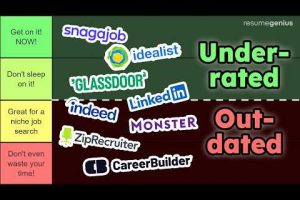
To find legitimate remote jobs, start with reputable platforms like LinkedIn, Remote.co, We Work Remotely, FlexJobs, and company career pages directly. Red flags for remote work scams include requests for upfront payment, promises of unrealistically high pay for minimal effort, vague job descriptions, and employers who refuse to conduct video interviews before hiring. Always research a company thoroughly before applying or accepting any offer.
What tools are essential for maintaining productivity while working remotely?
Core tools for remote productivity include project management platforms like Notion or Asana, communication tools such as Slack or Microsoft Teams, time-tracking apps like Toggl or Clockify, cloud storage solutions like Google Drive or Dropbox, and video conferencing software like Zoom or Google Meet. The specific tools matter less than having a consistent, well-organized system that your entire team uses reliably.
Can beginners realistically build a great work-from-home career without experience?
Absolutely. Many successful remote professionals started with no experience by beginning in entry-level roles like virtual assistant, customer support, or freelance content writing. The key is to focus on skill-building from day one, seek feedback actively, and use early remote positions as a launchpad into more specialized and higher-paying opportunities. Consistent effort and a willingness to learn will always outweigh a lack of initial experience.
How do remote workers maintain work-life balance effectively?
Effective work-life balance as a remote worker requires deliberate boundary-setting. This includes designating a physical workspace separate from living areas, establishing a consistent daily schedule, communicating your working hours to family and housemates, using calendar blocking to protect personal time, and developing a shutdown ritual that mentally marks the end of the workday. Without these intentional practices, the flexibility of remote work can easily become an endless obligation.
Conclusion
Great work from home is not a myth or a fleeting trend — it is a well-established professional model that, when approached strategically, can deliver exceptional career growth, financial stability, and personal fulfillment. Success in remote work comes from choosing the right roles, investing in your workspace and tools, developing robust productivity systems, and continuously adapting to the evolving demands of the digital economy. Whether you are taking your first steps into remote work or refining an existing arrangement, the principles outlined in this guide provide a solid foundation for building a career that truly works on your terms. Start with one or two improvements today, stay consistent, and watch how quickly your work-from-home experience transforms from merely functional to genuinely great.