If you follow financial markets, investment research, or institutional-grade insights, you have almost certainly encountered the name Goldman Sachs newsletter at some point. But what exactly does this term refer to, and why do millions of investors, traders, and financial professionals treat Goldman Sachs research publications with such reverence? This comprehensive guide dives deep into everything you need to know about Goldman Sachs newsletters, from their history and content types to practical tips for accessing and leveraging them effectively.
What Is the Goldman Sachs Newsletter?
The term Goldman Sachs newsletter broadly encompasses the research reports, market commentaries, investment outlooks, and thought leadership pieces published by Goldman Sachs — one of the world’s most powerful investment banking and financial services firms. These publications are distributed through multiple channels, including email subscriptions, their website, the GS Research platform, and third-party financial terminals like Bloomberg and Refinitiv.
Goldman Sachs research notes and newsletters cover a vast spectrum of topics, including macroeconomic analysis, equity research, fixed income strategies, commodities forecasting, geopolitical risk assessment, and thematic investment plays. What sets them apart from typical market commentary is the depth of data, the caliber of analysts involved, and the institutional pedigree behind every report.
Unlike casual financial blogs or generic market summaries, Goldman Sachs publications are authored by senior analysts, economists, and strategists who have spent years building models, conducting primary research, and advising institutional clients. This gives their newsletters an authority that few other sources can match.
Why Goldman Sachs Newsletters Matter for Investors
Understanding the significance of Goldman Sachs investment newsletters requires recognizing the role these publications play in shaping market sentiment and informing capital allocation decisions worldwide. Here are several reasons why they carry so much weight:
- Institutional Credibility: Goldman Sachs is consistently ranked among the top global investment banks, and their research directly influences pension funds, hedge funds, sovereign wealth funds, and family offices.
- Proprietary Data and Models: The firm invests billions in data infrastructure, trading platforms, and proprietary analytics. Newsletter readers often get access to insights derived from these sophisticated tools.
- Leading Economists and Strategists: Names like David Mericle, Jan Hatzius, and David Kostin regularly headline Goldman Sachs research, bringing decades of experience to every publication.
- Macro and Micro Coverage: From Federal Reserve policy shifts to individual stock recommendations, Goldman Sachs newsletters bridge the gap between broad economic trends and granular investment opportunities.
- Forward-Looking Analysis: Many Goldman Sachs reports focus on outlooks, forecasts, and scenario planning rather than merely describing past market movements.
Key Features That Set Goldman Sachs Research Apart
Several structural and substantive features distinguish Goldman Sachs newsletters from competing financial publications:

- Depth of Research: Reports often run dozens of pages and include detailed financial models, historical data sets, and multi-scenario projections.
- Regular Cadence: Goldman Sachs publishes daily market briefs, weekly strategic reviews, and monthly thematic deep dives, ensuring readers stay current.
- Global Perspective: Coverage spans emerging markets, developed economies, regional political risks, and cross-border capital flows.
- Thematic Investing Reports: These flagship publications identify long-term investment themes — such as artificial intelligence, clean energy transitions, or demographic shifts — and provide actionable frameworks for positioning portfolios.
- Risk Analysis Integration: Every major report includes rigorous risk assessments, downside scenarios, and stress-test methodologies.
Types of Goldman Sachs Newsletters and Publications
Not all Goldman Sachs research takes the same form. The firm produces several distinct publication categories, each serving a different audience and purpose:
- The Goldman Sachs Global Investment Outlook: An annual flagship report that provides comprehensive forecasts for equities, bonds, currencies, and commodities across global markets.
- GS Research Daily Notes: Shorter, frequent publications covering breaking news, earnings surprises, and real-time market developments.
- Macro Morning Notes: Early-morning briefings that synthesize overnight developments and set the tone for the trading day.
- Thematic Reports: In-depth studies on transformative trends like fintech disruption, supply chain reshoring, or the future of energy.
- Sector-Specific Deep Dives: Focused reports on industries such as healthcare, technology, financials, energy, and consumer discretionary.
- Policy and Geopolitical Briefings: Analysis of central bank decisions, trade policies, regulatory changes, and geopolitical flashpoints that impact markets.
How to Access Goldman Sachs Newsletters
One of the most common questions among retail investors is how to get their hands on Goldman Sachs research. The good news is that access has become more available than ever, though certain content remains gated behind institutional subscriptions. Here is a breakdown of the primary access methods:

- Goldman Sachs Website (Goldman Sachs Research): The firm publishes a growing library of free research reports on its website, including select full-length reports and executive summaries.
- Email Subscription Services: Readers can sign up for curated email digests that deliver key insights directly to their inbox. These subscriptions often allow you to choose specific topics or sectors.
- Bloomberg Terminal: Institutional subscribers can access Goldman Sachs research through the Bloomberg platform, which aggregates and categorizes reports for easy navigation.
- Financial News Aggregators: Platforms like Seeking Alpha, MarketWatch, and Financial Times frequently summarize or excerpt Goldman Sachs research for broader audiences.
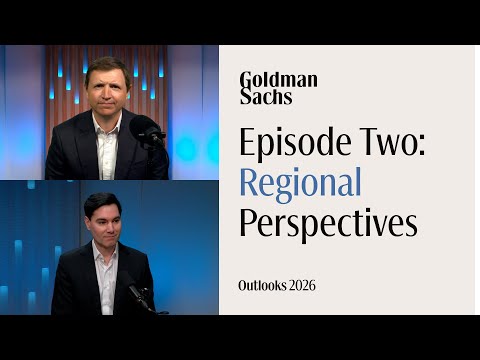
- LinkedIn and Social Media: Goldman Sachs analysts and strategists increasingly share key findings, charts, and commentary on LinkedIn, X (formerly Twitter), and YouTube.
Expert Tip: If you are a retail investor looking for high-quality Goldman Sachs insights without paying for a full terminal subscription, the firm’s website and email newsletter options offer excellent value. Focus on their thematic reports and global outlook publications for the most actionable content.
Goldman Sachs vs. Other Top Financial Newsletters
To contextualize the value of Goldman Sachs research, it helps to compare it against other prominent financial newsletter providers. The table below highlights key differences:
| Feature | Goldman Sachs | Morningstar | JPMorgan Research | Retail Platforms |
| Research Depth | Very High | High | Very High | Moderate |
| Institutional Access | Primary | Mixed | Primary | Limited |
| Free Content Available | Yes (Selected) | Yes (Limited) | Yes (Selected) | Yes |
| Thematic Analysis | Excellent | Good | Excellent | Moderate |
| Global Macro Coverage | Outstanding | Strong | Outstanding | Basic |
| Analyst Team Size | Large | Medium | Large | Small |
| Cost to Retail Readers | Free / Gated | Subscription | Gated | Varies |
The comparison clearly shows that Goldman Sachs sits at the top tier of financial research, alongside competitors like JPMorgan. The firm’s combination of proprietary data, global reach, and analytical rigor makes its newsletters a premium resource for serious investors.
Expert Tips for Leveraging Goldman Sachs Insights
Simply reading Goldman Sachs newsletters is not enough. To extract maximum value from these publications, consider implementing these practical strategies:
- Focus on the Thesis, Not Just the Forecast: Goldman Sachs reports often include the reasoning behind their conclusions. Understanding the underlying logic helps you apply their frameworks to your own decision-making.
- Cross-Reference Multiple Reports: No single publication should be treated as gospel. Compare Goldman Sachs insights with research from other top firms to identify consensus views and contrarian opportunities.
- Track Historical Accuracy: Review past Goldman Sachs forecasts to assess their track record. This builds your own judgment about which analysts and teams to trust most.
- Pay Attention to Risk Disclosures: The most valuable part of many Goldman Sachs reports is the risk section. These disclosures reveal potential blind spots in the main thesis.
- Use Reports as a Starting Point, Not an Endpoint: Treat Goldman Sachs publications as research springboards that prompt your own independent analysis and due diligence.
Common Misconceptions About Goldman Sachs Newsletters
Several myths surround Goldman Sachs research that can prevent investors from fully utilizing these resources:
- Myth: Goldman Sachs newsletters are only for Wall Street professionals. Reality: The firm increasingly publishes free, accessible content designed for retail investors and the general public.
- Myth: Goldman Sachs predictions are always accurate. Reality: Even the best research teams get things wrong. These publications are probabilistic frameworks, not crystal balls.
- Myth: All Goldman Sachs content requires a paid subscription. Reality: Significant portions of their research library are freely available online.
- Myth: Goldman Sachs newsletters only cover equities. Reality: The firm publishes extensively on fixed income, currencies, commodities, real estate, and private markets.
The Future of Goldman Sachs Research and Newsletters
Looking ahead, Goldman Sachs is doubling down on digital distribution and AI-powered research tools. The firm has invested heavily in data science capabilities, and recent newsletters increasingly incorporate machine learning insights alongside traditional fundamental analysis. This evolution means that future Goldman Sachs publications will likely be even more data-rich, personalized, and timely than what exists today.
For investors, this trend is overwhelmingly positive. As Goldman Sachs continues to refine its research delivery — through better email curation, interactive digital platforms, and AI-driven recommendation engines — the value proposition for subscribers and casual readers alike will only strengthen.
Frequently Asked Questions (FAQ)
Q1: Are Goldman Sachs newsletters free to access?
While some Goldman Sachs research requires institutional subscriptions, the firm publishes a growing number of free reports, summaries, and email newsletters on its website that are accessible to the general public at no cost.
Q2: How often are Goldman Sachs newsletters published?
Goldman Sachs publishes content on multiple cadences, including daily market briefs, weekly strategic updates, monthly thematic reports, and annual comprehensive outlooks like the Global Investment Outlook.
Q3: Can retail investors subscribe to Goldman Sachs research emails?
Yes. Goldman Sachs offers email subscription options on its research page where retail investors can select topics of interest and receive curated research delivered directly to their inbox.
Q4: What topics do Goldman Sachs newsletters cover?
Goldman Sachs newsletters cover macroeconomic analysis, equity research, fixed income strategies, geopolitical risk, thematic investing, sector-specific deep dives, commodities forecasting, and central bank policy commentary.
Q5: How reliable are Goldman Sachs market predictions?
Goldman Sachs is widely regarded as one of the most rigorous research institutions in finance, but no research firm is infallible. Their reports should be treated as well-informed perspectives backed by extensive data, not guaranteed forecasts.
Q6: Where can I find archived Goldman Sachs research reports?
The Goldman Sachs website maintains an archive of past research reports. Additionally, Bloomberg Terminal users and financial news platforms like Seeking Alpha often catalog and summarize historical Goldman Sachs publications.
Conclusion
The Goldman Sachs newsletter ecosystem represents one of the most comprehensive, authoritative, and influential bodies of financial research in the world. Whether you are a seasoned institutional investor seeking deep thematic analysis or a retail investor looking for credible market insights, Goldman Sachs publications offer an unmatched combination of data quality, analytical rigor, and forward-looking perspective. By understanding how to access these resources, what differentiates them from other financial publications, and how to apply their insights to your own investment strategy, you can elevate your market awareness and make more informed decisions in an increasingly complex financial landscape.