Social e-commerce has rapidly transformed the way brands and entrepreneurs sell products online, blurring the lines between social media scrolling and shopping. If you’ve ever bought something directly from an Instagram post, joined a TikTok live stream to snag a limited-edition deal, or discovered a product through a Pinterest pin that led you to a checkout page, you’ve participated in the social commerce revolution. This guide dives deep into real-world examples of social e-commerce, how the model works, and actionable strategies for businesses of every size looking to capitalize on this booming space.
What Is Social E-Commerce? A Clear Definition
Social e-commerce — often called social commerce — refers to the practice of buying and selling goods or services directly through social media platforms. Unlike traditional e-commerce where users visit a standalone website like Amazon or Shopify to complete a transaction, social commerce happens within the social media environment itself. The entire customer journey, from product discovery to checkout, can occur without ever leaving the app.
This model leverages the trust, engagement, and community that social platforms naturally foster. It’s not simply advertising a product on social media and linking out to an external store; it’s an integrated shopping experience built into the fabric of the platform. Think of it as the convergence of social networking and online retail into one seamless interaction.
Real-World Examples of Social E-Commerce
To truly understand social commerce, let’s examine some of the most prominent and impactful social commerce platform examples in use today.
Instagram Shopping and Product Tags
Instagram has become one of the most powerful social e-commerce examples in the world. Through Instagram Shopping, businesses can tag products directly in their posts, Stories, and Reels. When a user taps on a product tag, they see a detailed product card with pricing, descriptions, and a direct link to purchase. Brands like Nike, Glossier, and countless small businesses use this feature to turn their visual content into shoppable experiences.
Key features include:
- Product tags on Posts, Stories, and Reels
- Instagram Shops — a dedicated storefront within the app
- Checkout in-app for select markets, meaning users never leave Instagram
- Affiliate marketing integrations where influencers earn commissions
TikTok Shop and Live Commerce
TikTok has disrupted the social commerce landscape with TikTok Shop, which allows sellers to showcase products through short videos and live streams. Live commerce — the practice of hosting real-time shopping events — originated in China through platforms like Taobao Live and has now become a global phenomenon thanks to TikTok. Sellers demonstrate products, answer questions, and offer exclusive discounts, all while viewers purchase in real time.
This format is particularly effective for:
- Fashion and beauty products that benefit from live demonstrations
- Limited-time flash sales that create urgency
- Newer brands building trust through authentic, real-time interaction
- Influencer-driven promotions where creators showcase items they genuinely use
Facebook Marketplace and Facebook Shops
Facebook continues to be a heavyweight in social commerce through two primary channels. Facebook Marketplace enables peer-to-peer and local commerce, while Facebook Shops allow businesses to create customizable storefronts visible across Facebook and Instagram. For small and medium enterprises, Facebook Shops offer a low-barrier entry point into social media commerce without requiring a standalone website.
Pinterest Shopping
Often overlooked, Pinterest is a highly effective platform for social shopping, particularly in niches like home decor, fashion, food, and DIY. Pinterest Shopping features product pins that display real-time pricing and availability. Users can save products to wish lists and click through to purchase. The platform’s intent-driven nature — people actively search for things they want to buy — makes it a high-conversion channel for e-commerce brands.

Live Streaming Commerce in China and Beyond
China’s Alibaba, JD.com, and Pinduoduo pioneered live streaming commerce on a massive scale. During single-sales events like Singles’ Day, top influencers and brand ambassadors can generate hundreds of millions of dollars in sales within a single live session. Western platforms are now adopting similar models, with Amazon Live, Shopify Collabs, and various TikTok creators hosting regular shopping events.
How Social E-Commerce Works: The Mechanics
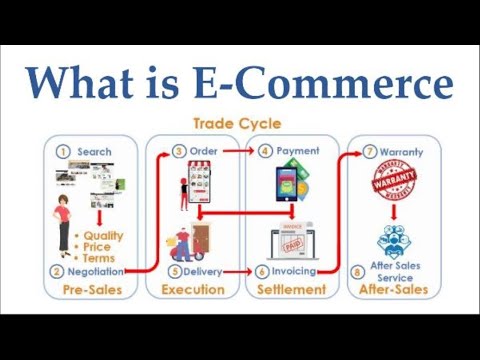
Understanding the mechanics behind social e-commerce helps businesses implement it effectively. The process typically follows these steps:
- Content Creation: A brand or influencer creates engaging content — a post, story, Reel, video, or live stream — featuring a product.
- Product Tagging: Products are tagged with metadata including price, description, and a link to the retailer’s checkout system.
- User Discovery: Followers or algorithmically served users encounter the product organically while browsing their feed.
- Interaction and Engagement: Users tap on tags, comment, ask questions, or share the content with their networks.
- Seamless Checkout: Where supported, users complete the purchase directly within the social platform. Otherwise, they are directed to a landing page or external store.
- Fulfillment and Follow-Up: The seller processes the order, ships the product, and may encourage post-purchase engagement such as reviews or user-generated content.
Social Commerce vs. Traditional E-Commerce: A Comparison
The table below highlights the key differences between social commerce and traditional e-commerce models:
| Feature | Social E-Commerce | Traditional E-Commerce |
| Product Discovery | Through social feeds, stories, live streams | Through search bars, category browsing, ads |
| Checkout Location | Within the social app (or linked page) | On a dedicated website or app |
| Customer Trust Model | Peer influence, reviews, creator authenticity | Brand reputation, site design, guarantees |
| Engagement Style | Interactive, community-driven, real-time | Transactional, informational, self-directed |
| Typical Conversion Path | Short — often one or two taps | Longer — may involve multiple pages |
| Best For | Impulse buys, trend-driven products, new brands | Research-heavy purchases, established brands |
Benefits of Social E-Commerce for Businesses
The rise of social commerce trends offers compelling advantages for businesses willing to invest in this channel:
- Lower Customer Acquisition Costs: Organic reach on social platforms, combined with targeted ads, can reduce dependency on expensive search engine marketing.
- Higher Engagement Rates: Social commerce thrives on interaction — comments, shares, and live participation create deeper connections between brands and consumers.
- Access to Shoppable Content: Every post becomes a potential storefront, dramatically increasing the surface area for product discovery.
- Influencer and Creator Synergies: Businesses can partner with influencers who already have built-in trust and audiences, accelerating social selling efforts.
- Data-Rich Insights: Social platforms provide granular analytics on audience demographics, content performance, and purchasing behavior.
- Impulse Purchase Optimization: Short, visually rich content triggers emotional buying decisions that longer-form e-commerce pages sometimes cannot.
Beginner’s Guide to Getting Started with Social Commerce
If you’re new to social e-commerce examples and want to start selling through social channels, here is a practical roadmap:
- Choose Your Primary Platform: Start where your target audience already spends time. Younger demographics lean toward TikTok and Instagram; older audiences are more active on Facebook and Pinterest.
- Set Up a Business Profile: Convert to a business or creator account and complete all profile information, including contact details and website links.
- Enable Shopping Features: Each platform has its own setup process for product catalogs and shopping features. Follow the official documentation to connect your product inventory.
- Create High-Quality Content: Invest in clear, engaging visuals and videos that showcase your products in real-life contexts. User-generated content and lifestyle imagery outperform sterile product photos.
- Start Small and Test: Begin with a few product tags and sponsored posts. Measure results, learn from data, and scale what works.
- Engage Authentically: Respond to comments, answer DMs, and participate in conversations. Social commerce is fundamentally about community, not just transactions.
Advanced Strategies for Maximizing Social E-Commerce Revenue
Once you’ve established a baseline presence, these advanced strategies can take your social commerce strategy to the next level:
Leverage Micro-Influencers and Brand Ambassadors
Micro-influencers (10,000–100,000 followers) often deliver higher engagement rates than mega-celebrities. Partner with creators whose audience aligns with your target demographic and provide them with affiliate links or unique discount codes to track performance.
Utilize Retargeting and Dynamic Ads
Most social platforms offer retargeting capabilities that allow you to show ads to users who previously interacted with your products but didn’t purchase. Dynamic product ads automatically display the exact items users viewed, dramatically improving conversion rates.
Host Regular Live Shopping Events
Schedule recurring live streams — weekly, biweekly, or monthly — to build anticipation among your audience. Treat these events like television shopping experiences with clear scripts, demonstrations, countdown timers, and exclusive pricing.
Build a Shoppable Content Ecosystem
Don’t rely on a single post or story. Create interconnected content sequences: a Reel that introduces a product, a Story with a swipe-up purchase link, a carousel post with customer testimonials, and a pinned comment with a direct link. This multi-touch approach guides users through the decision journey entirely within the platform.
Optimize for Social Commerce SEO
Use relevant hashtags, keyword-rich captions, alt text on images, and descriptive product names. Just like traditional SEO, discoverability within social platforms depends on strategic keyword usage and content optimization.
Frequently Asked Questions (FAQs)
Instagram Shopping is widely considered the most beginner-friendly social commerce platform. Setting up product tags and a shop storefront requires minimal technical knowledge, and Instagram’s massive user base provides immediate visibility for new brands.
How does TikTok Shop differ from Instagram Shopping?
TikTok Shop emphasizes video-first and live commerce experiences, making it ideal for demonstration-driven products. Instagram Shopping offers a broader range of formats including static posts, Stories, and Reels. TikTok tends to drive more impulse purchases through entertainment-driven content, while Instagram supports a mix of discovery and research-based shopping.
Absolutely. Social commerce levels the playing field by allowing small businesses to reach large audiences without the advertising budgets of major corporations. Platforms like Facebook Shops and TikTok Shop offer free or low-cost ways to list and sell products directly to consumers.

Fashion, beauty, accessories, home goods, and food products consistently perform well on social commerce platforms. Visual and trend-driven items that lend themselves to short-form video content tend to convert at higher rates than abstract or highly technical products.
Is live commerce profitable for most brands?
Live commerce can be highly profitable, but success depends on preparation, hosting frequency, and audience building. Brands that invest in quality demonstrations, clear offers, and consistent scheduling tend to see strong returns. Starting with a partner influencer can help brands test the format before scaling independently.
Most platforms provide built-in analytics dashboards. Additionally, using UTM parameters, unique discount codes, and affiliate tracking links allows you to attribute specific sales to individual posts, creators, or campaigns. Third-party tools like Shopify analytics and dedicated social commerce dashboards can unify this data for clearer reporting.
Conclusion
Social e-commerce is no longer a futuristic concept — it’s the present and future of online retail. From Instagram’s shoppable posts to TikTok’s high-energy live commerce events, the examples of social commerce in action are diverse, scalable, and incredibly effective. Whether you’re a solo entrepreneur just starting out or an established brand looking to diversify your sales channels, the key is to start with a clear strategy, choose the right platforms for your audience, create compelling content, and continuously optimize based on real data. The intersection of social engagement and seamless purchasing is where modern commerce is heading, and the businesses that embrace it now will be the ones that thrive in the years ahead.