When we talk about e com online, we are referring to the vast digital marketplace where businesses buy, sell, and exchange products and services over the internet. Electronic commerce has fundamentally reshaped how consumers discover, evaluate, and purchase goods. From small boutique startups to multinational corporations, every type of business now relies on online commerce platforms to reach customers far beyond their physical borders. If you have ever wondered how to start an online store, how e-commerce platforms work, or what separates thriving digital storefronts from struggling ones, this comprehensive guide will walk you through every critical layer of the e-commerce online ecosystem.
What Is E Com Online and Why It Matters Today
E com online — short for electronic commerce online — encompasses all commercial transactions conducted through digital channels. This includes buying products on Amazon, subscribing to a SaaS tool, purchasing digital courses, or even ordering groceries through a mobile app. The global e-commerce market has grown into a multi-trillion-dollar industry, and its expansion shows no signs of slowing down. Understanding the mechanics, strategies, and tools behind online commerce is no longer optional for entrepreneurs and business owners — it is essential for survival in the modern economy.
The beauty of e-commerce online business lies in its accessibility. Anyone with a solid product idea, a reliable internet connection, and a willingness to learn can launch a store. Unlike traditional retail, online commerce removes geographical barriers, reduces overhead costs, and provides access to powerful analytics that help you make smarter, data-driven decisions.
Types of E-Commerce Models You Should Know
Not all online commerce operates the same way. The e com online landscape is diverse, and each model serves a different audience and purpose. Here are the primary models that dominate the digital marketplace:
- Business-to-Consumer (B2C): This is the most recognizable model. A company sells products or services directly to individual consumers. Think of retailers like Nike, Zappos, or your favorite local brands with online stores.
- Business-to-Business (B2B): Companies sell products or services to other businesses. Wholesale platforms, SaaS providers, and office supply vendors operate in this space.
- Consumer-to-Consumer (C2C): Individuals sell to other individuals through marketplaces like eBay, Etsy, or Facebook Marketplace.
- Consumer-to-Business (C2B): Freelancers, influencers, and creators offer their services or products to companies. Platforms like Upwork and Shutterstock operate on this model.
- Direct-to-Consumer (D2C): Brands bypass retailers entirely and sell directly to their customers through their own websites or social media channels.
Each model has unique e-commerce online requirements, from payment processing to fulfillment logistics. Choosing the right model depends on your target audience, product type, and long-term business goals.
How to Choose the Right Model for Your Business
Selecting an e-commerce model starts with understanding your customer. Are you selling tangible products, digital downloads, subscription services, or consulting? Next, consider your supply chain. B2B businesses often require bulk pricing and corporate invoicing, while B2C stores need streamlined checkout experiences and fast shipping. Your model shapes every decision you make moving forward.
Key Features of a Successful E-Commerce Platform
Building a successful online store requires more than just uploading product photos. The best e-commerce platforms share several critical features that drive conversions and customer loyalty.
- Mobile Responsiveness: Over 60% of online shopping happens on mobile devices. Your store must look and function flawlessly on smartphones and tablets.
- Secure Payment Gateways: Customers need to trust your site with their financial data. SSL certificates, PCI compliance, and multiple payment options are non-negotiable.
- Fast Load Times: Studies show that even a one-second delay in page load can reduce conversions by up to 7%. Speed optimization is critical for e-commerce online success.
- Search and Filtering: Customers should be able to find products quickly through intuitive search bars, category filters, and sorting options.
- Inventory Management: Real-time stock tracking prevents overselling and keeps customers informed about product availability.
- Analytics and Reporting: Data on traffic sources, conversion rates, customer behavior, and cart abandonment helps you refine your strategies continuously.
E Com Online vs Traditional Retail: A Comparison
Understanding the differences between e-commerce online and traditional brick-and-mortar retail helps you appreciate why so many businesses are shifting to digital. Here is a side-by-side comparison:
| Factor | E Com Online | Traditional Retail |
| Overhead Costs | Lower — no physical storefront rent | Higher — rent, utilities, staffing |
| Reach | Global — customers worldwide | Local — limited to foot traffic area |
| Operating Hours | 24/7 — always open | Limited to business hours |
| Customer Data | Rich analytics and behavioral insights | Limited tracking and reporting |
| Startup Cost | Relatively low — platforms start at under $30/month | High — lease, inventory, renovations |
| Customer Experience | Convenient but lacks tactile interaction | Hands-on, immediate product experience |
| Shipping | Requires logistics and delivery infrastructure | Instant product possession |
While traditional retail offers tangible product experiences, online commerce provides unmatched scalability and accessibility. Many successful brands now use an omnichannel approach, combining the strengths of both models.
Steps to Launch Your E-Commerce Online Store
If you are ready to dive into e com online, here is a practical roadmap to get you started:

- Define Your Niche and Target Audience: Research market demand, identify your competitors, and clearly define who your ideal customer is.
- Choose an E-Commerce Platform: Platforms like Shopify, WooCommerce, BigCommerce, and Squarespace offer different features at different price points. Select one that aligns with your technical skill level and budget.
- Source Your Products: Decide whether you will manufacture, wholesale, dropship, or sell digital products. Your sourcing strategy directly impacts margins and quality control.
- Design Your Store: Create a clean, branded storefront with high-quality images, compelling product descriptions, and intuitive navigation.
- Set Up Payment and Shipping: Integrate reliable payment processors and establish shipping partnerships or fulfillment centers.
- Launch and Market: Use social media marketing, email campaigns, search engine optimization, and paid advertising to drive traffic to your new store.
- Optimize and Scale: Analyze performance data, gather customer feedback, and continuously improve your store’s user experience and product offerings.
Expert Tips for E-Commerce Success
Start small, test often. Do not try to launch with hundreds of products. Start with a curated selection, gather customer feedback, and expand based on what sells. Invest in high-quality product photography — customers cannot touch your products online, so visuals become your most powerful sales tool. Finally, prioritize customer service. Fast response times, clear return policies, and personalized communication build trust that turns first-time buyers into repeat customers.
Popular E-Commerce Tools and Platforms Compared
Choosing the right platform for your e-commerce online venture is one of the most important decisions you will make. Here is a quick comparison of the leading platforms:
| Platform | Best For | Starting Price | Key Strength |
| Shopify | Small to medium businesses | $39/month | Ease of use and app ecosystem |
| WooCommerce | WordPress users | Free (plugin) | Customization and flexibility |
| BigCommerce | Growing businesses | $39/month | Built-in features without app costs |
| Squarespace | Creative brands | $33/month | Design and visual appeal |
| Wix eCommerce | Beginners | $27/month | Drag-and-drop simplicity |
Each platform has trade-offs. Shopify dominates in ease of use and has the largest app marketplace, making it ideal for beginners. WooCommerce offers unparalleled customization but requires more technical knowledge. BigCommerce stands out for its built-in features, meaning you pay less for third-party integrations. Choose based on your technical comfort level, budget, and specific business needs.

SEO Strategies That Drive E-Commerce Traffic
No matter how beautiful your store is, it will not generate sales if nobody can find it. E-commerce SEO is the practice of optimizing your online store to rank higher in search engine results, driving organic traffic and increasing revenue. Here are essential strategies:
- Keyword Research: Use tools like Ahrefs, SEMrush, or Google Keyword Planner to identify what your customers are searching for. Target long-tail keywords like “best running shoes for flat feet” instead of generic terms like “shoes.”
- Optimized Product Pages: Each product page should include unique titles, meta descriptions, descriptive copy, and properly tagged images with alt text.
- Site Speed Optimization: Compress images, leverage browser caching, and use a content delivery network (CDN) to keep your pages loading quickly.
- Content Marketing: Create blog posts, buying guides, and video content that addresses your customers’ questions and positions your brand as an authority.
- Technical SEO: Ensure your site has clean URL structures, proper schema markup for products, and a mobile-friendly design.
Strong e com online SEO does not happen overnight. It requires consistent effort, patience, and ongoing optimization. But the long-term payoff in organic traffic and customer acquisition cost savings is enormous.
Common E-Commerce Challenges and How to Overcome Them
The path to building a profitable online commerce business is rarely smooth. Here are the most common challenges and practical solutions:
- Cart Abandonment: Nearly 70% of online shoppers abandon their carts. Combat this with exit-intent popups, abandoned cart email sequences, and simplified checkout processes.
- Fierce Competition: The digital marketplace is crowded. Differentiate through superior customer service, unique product offerings, and a strong brand identity.
- Shipping Costs and Logistics: Offer free shipping thresholds, negotiate carrier rates, and consider local fulfillment centers to reduce delivery times and costs.
- Trust and Security Concerns: Display customer reviews, trust badges, clear return policies, and secure checkout indicators to build confidence.
- Keeping Up with Technology: Stay updated on platform updates, new marketing channels, and emerging trends like AI-powered personalization and voice commerce.
Conclusion
E com online represents one of the most powerful opportunities available to entrepreneurs and businesses in the 21st century. Whether you are a beginner launching your first store or an experienced seller looking to scale, the principles remain the same: know your customer, deliver exceptional value, and continuously optimize every aspect of your online presence. The digital marketplace rewards those who invest in learning, testing, and improving. Start with a solid foundation, stay adaptable, and treat every challenge as a learning opportunity. The world of e-commerce online is vast, dynamic, and endlessly rewarding for those willing to put in the effort.
FAQs About E Com Online
What is the best e-commerce platform for beginners in 2024?
Shopify is widely regarded as the best e-commerce platform for beginners due to its intuitive interface, extensive documentation, and all-in-one solution that handles hosting, security, and payment processing without requiring technical expertise. Its monthly pricing starts around $39, making it affordable for new online sellers who want to focus on growing their business rather than managing infrastructure.
How much does it cost to start an e com online store?
The startup cost for an e-commerce online store varies depending on your chosen platform, product sourcing method, and marketing budget. A basic store on platforms like Shopify or WooCommerce can launch for as little as $50 to $200 in initial costs, covering domain registration, hosting, and essential apps. However, budgeting an additional $500 to $2,000 for initial inventory, product photography, and marketing is recommended for a more professional launch.
What is the difference between e-commerce and e-business?
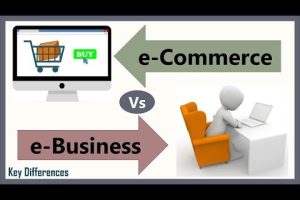
E-commerce specifically refers to the buying and selling of goods and services online, while e-business encompasses the broader scope of conducting all business operations digitally, including customer service, supply chain management, inventory control, and internal communications. Think of e-commerce as a subset of e-business — all e-commerce is part of e-business, but not all e-business activities are strictly commerce-related.
How long does it take to see results from an online store?
Most e-commerce online businesses start seeing meaningful results within 3 to 6 months of consistent effort, provided they invest in proper SEO, marketing, and customer experience optimization. However, some niche stores with strong product-market fit and aggressive digital marketing can generate their first sales within weeks. Patience, data-driven decision-making, and continuous iteration are the keys to sustainable growth in the online marketplace.