


The digital retail landscape has evolved dramatically over the past decade, and understanding the difference between ecommerce and social commerce is more critical than ever for business owners, marketers, and entrepreneurs who want to stay competitive. While both models revolve around selling products or services online, they operate on fundamentally different philosophies, technologies, and customer engagement strategies. Ecommerce typically relies on dedicated websites or marketplaces where consumers intentionally browse and purchase. Social commerce, on the other hand, weaves shopping directly into the social media experiences people already engage with every day. If you are trying to decide where to invest your resources or simply want a clearer picture of how modern digital selling works, this guide breaks down every major distinction with practical, actionable insight.
What Is Ecommerce? Understanding the Traditional Digital Marketplace
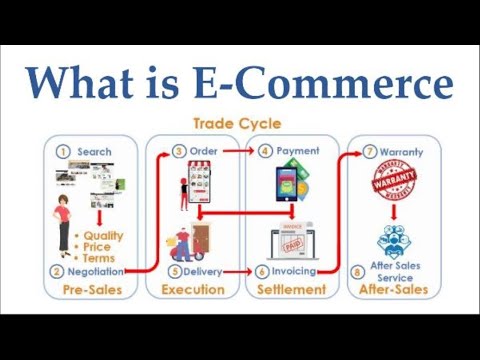
Ecommerce, short for electronic commerce, refers to the buying and selling of goods and services through dedicated online platforms. Think of giants like Shopify stores, Amazon, eBay, and Walmart.com — these are all ecommerce ecosystems where the entire transaction happens on a standalone website or marketplace. The customer visits the site with a purchasing intent, browses product catalogs, adds items to a cart, and completes checkout through a structured payment gateway.
Core Characteristics of Ecommerce Platforms
Traditional ecommerce platforms share several defining traits that set them apart from social commerce environments:
- Dedicated storefronts: Businesses build or host their own standalone websites designed specifically for selling products.
- Intent-driven shopping: Customers arrive with a clear goal — they are searching for a specific product or category and are ready to buy.
- Structured catalogs: Products are organized by categories, filters, and search functions that help shoppers find exactly what they need.
- Integrated payment systems: Payment processing happens natively on the site through gateways like Stripe, PayPal, or Shopify Payments.
- SEO and paid traffic: Ecommerce brands rely heavily on search engine optimization, Google Ads, email marketing, and content marketing to drive traffic.
- Full customization: Store owners control every element of design, layout, branding, and user experience on their platform.
Key Platforms and Tools in Ecommerce
The ecommerce ecosystem is supported by a robust infrastructure of tools and platforms. Shopify dominates the self-hosted ecommerce space, offering everything from inventory management to shipping integrations. WooCommerce provides flexibility for WordPress users, while BigCommerce and Magento cater to larger enterprises. On the marketplace side, Amazon and eBay offer massive built-in audiences but with less brand control. These platforms focus on creating a seamless, conversion-optimized purchasing environment rather than social interaction.
What Is Social Commerce? Redefining Shopping Through Social Interaction
Social commerce takes the shopping experience out of the dedicated storefront and embeds it directly into social media platforms where consumers already spend hours scrolling, liking, and sharing content. The social commerce definition centers on the idea that discovery and purchase happen within the same social environment — without requiring the customer to leave their favorite app. This model leverages the power of social proof, influencer recommendations, user-generated content, and real-time interactions to drive sales.

How Social Commerce Differs from Traditional Online Selling
The social commerce model flips the traditional customer journey on its head. Instead of searching for a product, the customer discovers products organically through feeds, stories, live streams, and recommendations from people they trust. The emotional and social triggers — FOMO, peer recommendations, authentic reviews — play a much larger role in purchase decisions compared to the logical, feature-focused approach of traditional ecommerce.
Key elements that define social commerce include:
- Shoppable posts and tags: Platforms like Instagram and TikTok allow brands to tag products directly in photos and videos, creating a seamless path from discovery to purchase.
- Live shopping events: Real-time video streams where hosts demonstrate products, answer questions, and viewers can buy instantly — a format that originated in China and is rapidly expanding globally.
- In-app checkout: Social commerce platforms increasingly offer native checkout experiences, meaning customers never have to leave the app to complete a purchase.
- Community-driven recommendations: Reviews, comments, shares, and creator endorsements replace traditional product descriptions as the primary decision-making drivers.
- Algorithm-driven discovery: The platform’s recommendation engine surfaces products based on user behavior, interests, and social connections rather than keyword searches.
Key Platforms Powering Social Commerce
The social commerce landscape is dominated by a handful of powerful platforms. Instagram Shopping and Facebook Marketplace allow businesses to tag products in posts and stories. TikTok Shop has exploded in popularity with its short-form video shopping format. Pinterest Shopping caters to inspiration-driven purchasing, while YouTube Shopping integrates shoppable links into video content. Snapchat and WhatsApp also contribute through direct messaging commerce and augmented reality try-on features.
Key Differences Between Ecommerce and Social Commerce
Understanding the ecommerce vs social commerce distinction requires examining several dimensions — from the customer journey to the underlying technology and revenue models. Below is a detailed breakdown of the most significant differences.
The Shopping Experience and Customer Journey
In traditional ecommerce, the customer journey follows a linear path: awareness (via search or ad) → consideration (browsing product pages and reviews) → decision (adding to cart and checking out) → post-purchase (receiving the product and leaving a review). This journey is deliberate and often research-heavy.
Social commerce disrupts this linear model with a non-linear, discovery-first journey. Customers stumble upon products while browsing content, get inspired by a creator’s recommendation, and purchase within seconds — often without ever visiting a standalone store. The friction between “I want this” and “I have it” is dramatically reduced.
Comparison Table: Ecommerce vs Social Commerce
| Feature | Ecommerce | Social Commerce | |
| Primary Platform | Dedicated websites, online marketplaces | Social media apps (Instagram, TikTok, etc.) | |
| Shopping Intent | Active, search-driven | Passive, discovery-driven | |
| Customer Journey | Linear and structured | Non-linear and organic | |
| Discovery Method | Search engines, SEO, ads | Feeds, stories, creator recommendations | |
| Checkout Experience | On the retailer’s website | In-app or native checkout | |
| Social Proof Role | Reviews and ratings on product pages | Comments, shares, creator endorsements, UGC | |
| Content Format | Product descriptions, images, comparison charts | Videos, live streams, stories, reels | |
| Brand Control | High — full control over design and UX | Moderate — limited by platform features | |
| Traffic Source | Organic search, paid ads, email | Algorithmic feeds, influencer content, shares | |
| Purchase Friction | Higher — multiple page loads | Lower — streamlined in-app checkout |
Conversion Funnel and Revenue Model Differences
Ecommerce Conversion Funnel
The traditional ecommerce conversion funnel is well-documented and heavily optimized by digital marketers. Awareness is generated through search engine marketing, display advertising, and content marketing. Middle-of-funnel nurturing happens through email sequences, retargeting ads, and comparison content. The bottom of the funnel is where the conversion actually happens — the customer lands on a product page, evaluates options, and completes the transaction. Post-purchase, brands focus on retention through loyalty programs, email marketing, and subscription models.
Social Commerce Conversion Funnel
The social commerce funnel is shorter and more impulsive. Awareness and consideration happen simultaneously because the content itself serves as both the advertisement and the product page. A single Instagram Reel or TikTok video can go viral, reach millions, and generate thousands of sales overnight. The funnel collapses from a multi-stage process into what some experts call a “see it, want it, buy it” loop. Retention in social commerce depends heavily on community building, creator relationships, and the addictive nature of the platform itself.
Practical Recommendations for Choosing the Right Strategy
If you are a brand or seller trying to decide between ecommerce and social commerce, the answer is rarely one or the other — the most successful businesses integrate both. Here are practical recommendations based on your goals and resources:
- Start with ecommerce if: You have a well-defined product catalog, brand identity, and audience that searches for specific solutions. Ecommerce gives you full control over the customer experience and data ownership.
- Embrace social commerce if: Your target audience is active on platforms like Instagram, TikTok, or Pinterest, and your products benefit from visual storytelling, influencer partnerships, or viral content.
- Use social commerce as a top-of-funnel driver: Leverage social media to create buzz, generate awareness, and funnel traffic to your dedicated ecommerce store for higher-value conversions.
- Invest in creator partnerships: Micro-influencers and content creators are the engine of social commerce. Authentic recommendations from trusted voices convert at rates that traditional advertising often cannot match.
- Optimize for mobile-first experiences: Both ecommerce and social commerce are predominantly mobile-driven, so your site design, checkout process, and social content must be flawless on smartphones.
- Track metrics that matter: For ecommerce, focus on conversion rate, average order value, and customer lifetime value. For social commerce, prioritize engagement rate, click-through from social content, and in-platform sales velocity.
Frequently Asked Questions (FAQs)
No, social commerce is not replacing ecommerce — it is complementing it. While social commerce is growing rapidly and changing how consumers discover products, dedicated ecommerce platforms still handle the majority of online transactions. The most effective strategy combines both approaches, using social platforms for discovery and engagement while relying on ecommerce stores for conversion and fulfillment.
Absolutely. Social commerce is arguably more accessible for small businesses than traditional ecommerce because it does not require building and maintaining a standalone website. Platforms like Instagram, TikTok, and Facebook offer free or low-cost tools to set up a shop, tag products, and sell directly to followers. A small brand with a strong visual identity and engaged community can generate significant revenue through social commerce alone.
Social selling refers to the broader practice of using social media to build relationships and nurture leads — it is more about the conversation and trust-building process. Social commerce, in contrast, specifically involves the actual transaction happening within or seamlessly connected to the social platform. While social selling can exist without immediate sales, social commerce is focused on closing the purchase right where the discovery happens.
TikTok Shop currently represents the fastest-growing social commerce market globally. Its algorithm-driven content discovery, short-form video format, and integrated in-app shopping experience have made it a powerhouse for social commerce, particularly among younger demographics. However, Instagram Shopping and Pinterest remain strong contenders depending on the product category and target audience.

Having both gives you the best of both worlds. Your ecommerce site serves as your brand hub with full control over SEO, content, and customer data. Your social commerce presence captures impulse buyers, leverages viral content, and taps into the discovery habits of modern consumers. Together, they create a comprehensive digital sales ecosystem that maximizes reach, engagement, and revenue.
Conclusion
The difference between ecommerce and social commerce is not just about technology or platform — it is about philosophy, customer behavior, and the way modern commerce has evolved to meet people where they already spend their time. Ecommerce provides structure, control, and high-intent purchasing power, while social commerce offers discovery, community, and frictionless impulse buying. The brands that thrive in 2024 and beyond are those that understand both models deeply and integrate them into a cohesive digital selling strategy. Whether you are a startup exploring social selling for the first time or an established brand scaling your online presence, mastering both ecommerce and social commerce is no longer optional — it is essential for sustainable growth in the digital marketplace.