


When someone asks “define e shopping”, they are looking for a clear, thorough explanation of what electronic shopping truly means in today’s digital landscape. E-shopping, short for electronic shopping, is the process of purchasing goods and services over the internet through digital platforms, online marketplaces, and virtual storefronts. It has evolved from a niche convenience into a global retail phenomenon that reshapes how billions of consumers discover, compare, and buy products every single day. Whether you are a curious beginner exploring online buying for the first time or a business owner looking to deepen your digital commerce strategy, understanding the full scope of e-shopping is essential. This guide breaks down the definition, mechanics, platforms, benefits, and practical strategies behind electronic shopping in a way that is actionable, insightful, and built for real-world application.
What Is E-Shopping? A Detailed Definition
At its core, e-shopping definition refers to the act of browsing, selecting, and purchasing products or services through electronic means, primarily via the internet. Unlike traditional brick-and-mortar retail, e-shopping removes geographical barriers, operating hours, and physical queue constraints. Consumers interact with digital catalogs, product pages, and secure payment gateways to complete transactions from virtually anywhere with an internet connection.
The term “electronic shopping” encompasses a broad spectrum of activities. It includes browsing product listings on dedicated e-commerce websites, purchasing through social media platforms, using mobile shopping apps, and even completing transactions through voice-activated smart assistants. The definition has expanded over the years to include digital downloads, subscription-based services, and even virtual reality shopping experiences.

Key components of e-shopping include:
- A digital storefront or online catalog displaying products and services
- A secure payment processing system supporting multiple transaction methods
- Order management and fulfillment infrastructure for shipping and delivery
- Customer support channels such as live chat, email, and FAQs
- Data analytics tools that track consumer behavior and preferences
Why the Definition Matters
Understanding what e-shopping really means goes beyond a textbook definition. It helps consumers make informed decisions about where and how to spend their money. For entrepreneurs and marketers, a precise grasp of electronic shopping fundamentals informs everything from website design to customer retention strategies. The definition also highlights the distinction between e-shopping and related but separate concepts like electronic banking or digital marketing, even though these fields overlap significantly in practice.
How E-Shopping Works: The Technology Behind It
Defining e-shopping is only the first step. Understanding how it functions behind the scenes gives you a competitive edge, whether you are shopping smarter or building your own online store.
The e-shopping process follows a structured workflow:
- Discovery — The consumer finds products through search engines, social media ads, email recommendations, or direct navigation to a retailer’s website.
- Browsing and Comparison — Product pages display images, descriptions, pricing, reviews, and specifications. Comparison tools help shoppers evaluate options across different sellers.
- Cart and Checkout — Selected items are added to a virtual shopping cart. During checkout, the buyer enters shipping details and chooses a payment method.
- Payment Processing — Secure payment gateways encrypt transaction data and process payments through credit cards, digital wallets, buy-now-pay-later services, or bank transfers.
- Order Fulfillment — The seller processes the order, packages the product, and arranges shipping through logistics partners or courier services.
- Delivery and Post-Purchase Support — The product reaches the consumer, who can then leave reviews, request returns, or access after-sales support.
Each of these stages involves sophisticated technology, including SSL encryption for security, CRM systems for customer relationship management, and AI-powered recommendation engines that personalize the shopping experience.
Types of E-Shopping Platforms
Not all electronic shopping experiences are created equal. Different platforms serve different needs, and understanding these categories helps both consumers and businesses choose the right fit.
| Platform Type | Description | Examples |
| Online Marketplaces | Third-party platforms hosting multiple sellers under one roof | Amazon, eBay, Etsy |
| Direct-to-Consumer (DTC) Websites | Brand-owned stores selling directly to shoppers | Warby Parker, Nike.com |
| Social Commerce | Shopping integrated within social media platforms | Instagram Shopping, TikTok Shop |
| Subscription Box Services | Curated recurring deliveries based on preferences | Birchbox, Dollar Shave Club |
| Mobile Shopping Apps | Dedicated apps optimized for on-the-go purchasing | Walmart App, SHEIN |
Each type of e-shopping platform offers unique advantages. Online marketplaces provide enormous product variety and competitive pricing, while DTC websites often deliver exclusive brand experiences and loyal customer rewards. Social commerce is rapidly growing, blending entertainment with purchasing power directly inside the apps where consumers already spend hours every day.
Benefits of E-Shopping for Consumers and Businesses
The advantages of electronic shopping extend far beyond mere convenience. Here is a breakdown of why e-shopping has become the preferred retail channel for millions worldwide.
For Consumers
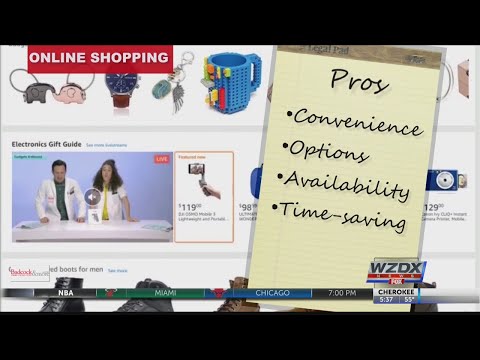
- Unmatched convenience — Shop 24/7 from any device without leaving home
- Price transparency — Easily compare prices across multiple sellers in seconds
- Access to global products — Purchase items from international brands not available locally
- Personalized recommendations — AI algorithms suggest products based on browsing and purchase history
- Reviews and social proof — Read real customer feedback before making decisions
- Cost savings — Online-exclusive discounts, cashback offers, and reduced travel expenses
For Businesses
- Expanded market reach — Access customers globally without the cost of physical locations
- Lower overhead costs — Reduced expenses on rent, utilities, and in-store staffing
- Rich customer data — Track browsing behavior, purchase patterns, and engagement metrics
- Scalability — Scale operations without proportional increases in physical infrastructure
- Faster time to market — Launch new products digitally without lengthy supply chain negotiations
E-Shopping vs. Traditional Shopping: A Side-by-Side Comparison
To truly define e shopping in context, it helps to compare it directly against traditional in-store shopping. The table below highlights the most important differences.
| Feature | E-Shopping | Traditional Shopping |
| Operating Hours | 24/7, year-round | Limited by store hours |
| Geographic Reach | Global access | Local or regional |
| Price Comparison | Instant, multi-platform | Manual, store-by-store |
| Product Interaction | Virtual, based on images and descriptions | Physical, tactile experience |
| Delivery Time | 1–7 days typically | Immediate pickup |
| Social Experience | Limited, mostly digital interactions | In-person, experiential |
| Return Process | Mail-in or drop-off, often free | Bring item back to store |
Neither model is universally superior. Hybrid shopping — combining online research with in-store experiences or buying online and returning in-store — represents the future of retail. Many successful brands now offer omnichannel strategies that seamlessly integrate e-shopping with physical storefronts.
Expert Tips to Maximize Your E-Shopping Experience
Whether you are a seasoned online shopper or just getting started, these expert recommendations will help you shop smarter and safer in the digital marketplace.
- Use price comparison tools — Extensions like CamelCamelCamel or Honey automatically track price histories and find the best deals across multiple platforms.
- Look for verified reviews — Prioritize products with a high number of verified purchases and detailed reviews over those with vague or suspiciously glowing feedback.
- Understand return policies — Before completing any purchase, check the seller’s return window, restocking fees, and shipping cost for returns.
- Enable two-factor authentication — Protect your e-shopping accounts with an extra layer of security beyond just a password.
- Subscribe to newsletters strategically — Sign up for retailer emails to access exclusive discounts, but use a separate email address to avoid cluttering your primary inbox.
- Check for SSL certificates — Always ensure the website URL begins with “https://” and displays a padlock icon before entering payment information.
- Use virtual credit cards or PayPal — These payment methods add a buffer between your primary bank account and online merchants, reducing fraud exposure.
Following these tips consistently transforms casual browsing into a strategic, cost-effective shopping habit. Digital commerce rewards informed consumers, and small proactive steps can lead to significant savings over time.
Conclusion
To define e shopping comprehensively is to recognize it as a dynamic, technology-driven ecosystem that has fundamentally changed retail. It is not merely about buying things online — it is an entire digital experience encompassing discovery, comparison, secure transaction, fulfillment, and post-purchase engagement. As mobile devices, artificial intelligence, and logistics networks continue to advance, electronic shopping will only become more immersive, efficient, and personalized. Whether your role is as a consumer seeking the best deals or a business owner building an online presence, mastering the principles outlined in this guide positions you for success in the digital commerce era.
The key takeaway is simple: e-shopping is not a trend — it is the present and future of retail. Embrace it with knowledge, caution, and strategy, and you will unlock its full potential.
Frequently Asked Questions

What is the difference between e-commerce and e-shopping?
E-commerce is the broader term that encompasses all electronic business transactions, including B2B dealings, digital payments, supply chain management, and online marketing. E-shopping specifically refers to the consumer-facing activity of browsing and purchasing products or services online. Think of e-commerce as the entire digital economy and e-shopping as one vital component within it.
Is e-shopping safe for entering payment information?
When done on reputable platforms with SSL encryption and secure payment gateways, e-shopping is highly safe. Always verify the website uses HTTPS, avoid making purchases on public Wi-Fi networks, and consider using virtual credit cards or third-party payment processors like PayPal for an added security layer.
What are the most popular e-shopping platforms worldwide?
The most popular e-shopping platforms include Amazon, Alibaba, eBay, Walmart.com, and Etsy. Regionally, platforms like Flipkart dominate in India and Mercado Libre leads in Latin America. The best platform depends on your specific product needs, geographic location, and whether you prioritize price, speed, or product variety.
How can I avoid scams while e-shopping online?
To protect yourself from online shopping scams, always purchase from well-known or verified sellers, check for legitimate contact information and return policies on the website, be skeptical of prices that seem too good to be true, avoid clicking links from unsolicited emails or messages, and regularly monitor your bank statements for unauthorized charges after making online purchases.
What does the future of e-shopping look like?
The future of electronic shopping points toward AI-driven personalization, augmented reality try-ons, voice-activated purchasing, faster same-day delivery, and increasingly sustainable packaging practices. Social commerce and live-stream shopping are also expected to grow dramatically, blending entertainment with real-time purchasing in ways that were unimaginable just a decade ago.