


Business e-commerce has fundamentally transformed how entrepreneurs, startups, and established enterprises reach customers, process transactions, and build revenue streams in the digital economy. What began as a simple online catalog has evolved into a sophisticated ecosystem of platforms, tools, and strategies that power billions of dollars in global transactions every year. Whether you are launching your first online storefront or scaling an existing digital operation, understanding the mechanics, opportunities, and challenges of e-commerce business is no longer optional — it is essential. This comprehensive guide dives deep into the strategies, platforms, and best practices that separate thriving online businesses from the ones that stall before gaining traction.
Understanding Business E-Commerce: The Digital Marketplace Revolution
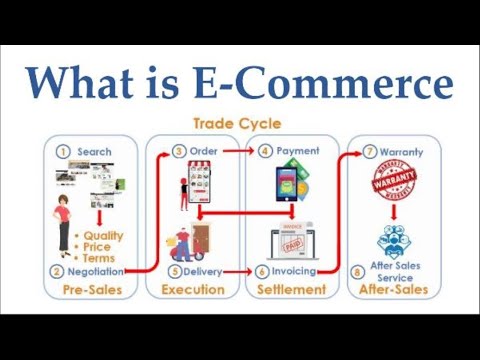
E-commerce, short for electronic commerce, refers to the buying and selling of goods or services using the internet, along with the transfer of money and data to execute these transactions. Business e-commerce encompasses every type of commercial transaction facilitated digitally, from raw material procurement between businesses to direct consumer purchases on retail websites. The global e-commerce market has surged past $5.7 trillion in 2024, and projections suggest this figure will continue climbing as more consumers embrace digital shopping habits.
What makes online business e-commerce so compelling is its ability to remove geographic barriers, reduce overhead costs, and provide granular data analytics that inform every decision from inventory management to marketing spend. Unlike traditional brick-and-mortar retail, e-commerce allows businesses to operate 24/7, reach international audiences, and personalize the customer experience at scale.
Core Components of a Successful E-Commerce Business
Building a profitable e-commerce business requires more than just setting up a website. It involves integrating multiple systems and processes that work together seamlessly:
- Online storefront: The digital front-end where customers browse products, read descriptions, and complete purchases.
- Shopping cart and checkout system: A frictionless payment processing experience that minimizes cart abandonment.
- Inventory management: Real-time tracking of stock levels, order fulfillment, and supply chain coordination.
- Payment gateway integration: Secure processing of credit cards, digital wallets, and alternative payment methods.
- Customer relationship management (CRM): Tools that track customer behavior, preferences, and lifetime value.
- Analytics and reporting: Dashboards that provide insights into conversion rates, traffic sources, and revenue performance.

E-Commerce Business Models: Which One Fits Your Goals
Not all online businesses operate the same way. Understanding the different e-commerce business models helps entrepreneurs choose the right approach for their product, audience, and revenue goals.

Business-to-Consumer (B2C)
B2C e-commerce is the most familiar model, where businesses sell directly to individual consumers. Think of brands like Nike’s direct website, Amazon retail, or niche stores selling handmade goods on Etsy. B2C businesses rely heavily on brand storytelling, emotional marketing, and seamless user experience to drive conversions.
Business-to-Business (B2B)
B2B online commerce involves transactions between businesses, such as a manufacturer selling raw materials to a distributor or a SaaS platform selling software subscriptions to enterprise clients. B2B e-commerce often features larger order volumes, longer sales cycles, and relationship-driven decision-making. The B2B e-commerce market is growing rapidly, with many traditional wholesale operations migrating to digital platforms.
Consumer-to-Consumer (C2C) and Consumer-to-Business (C2B)

C2C platforms like eBay and Etsy allow individuals to sell products to other consumers, while C2B models — such as freelance marketplaces or influencer partnerships — enable consumers to offer value to businesses. Both models represent significant segments of the digital economy.
| Model | Participants | Typical Transaction Size | Sales Cycle | Best For |
| B2C | Business → Individual | Low to medium | Short | Retail brands, DTC startups |
| B2B | Business → Business | High | Long | Wholesale, SaaS, manufacturing |
| C2C | Individual → Individual | Low | Variable | Marketplace sellers, artisans |
| C2B | Individual → Business | Variable | Negotiated | Freelancers, influencers, reviewers |
Choosing the Right E-Commerce Platform for Your Online Business
Your choice of e-commerce platform directly impacts your store’s functionality, scalability, and long-term growth potential. The right platform depends on your technical expertise, budget, product catalog size, and expected traffic volume.
Top Platforms Compared
| Platform | Best For | Monthly Cost | Customization | Ease of Use |
| Shopify | Small to mid-sized businesses | $39–$399/month | Moderate | Very Easy |
| WooCommerce | WordPress users, custom needs | Free (hosting costs apply) | Very High | Moderate |
| BigCommerce | Growing mid-market businesses | $39–$399/month | High | Easy |
| Magento | Large enterprise stores | Variable (development costs) | Extremely High | Complex |
| Squarespace | Creative brands, portfolios | $33–$65/month | Low to Moderate | Very Easy |
For most new entrepreneurs, Shopify offers the best balance of ease of use, app ecosystem, and built-in functionality. WooCommerce remains the go-to choice for businesses already invested in the WordPress ecosystem that need maximum flexibility. Large enterprises with complex workflows and high transaction volumes often gravitate toward Magento or custom-built solutions.
Setting Up Your E-Commerce Business: A Step-by-Step Roadmap
Launching a digital commerce business requires careful planning and execution. Follow these steps to build a solid foundation.
- Define your niche and target audience. Research market demand using tools like Google Trends, SEMrush, and Amazon Best Sellers. Identify a specific customer segment with clear pain points your product or service can address.
- Source or create your products. Whether you are dropshipping, manufacturing, or curating handmade goods, ensure consistent quality and reliable supply chains.
- Register your business and handle legal requirements. Obtain necessary licenses, register for sales tax compliance, and draft clear terms of service and return policies.
- Build your online store. Choose a platform, design a brand-consistent storefront, write compelling product descriptions, and optimize all pages for mobile responsiveness.
- Set up payment and shipping infrastructure. Integrate multiple payment options, configure shipping zones, and partner with reliable fulfillment providers.
- Launch and implement marketing campaigns. Use a mix of SEO, paid advertising, email marketing, and social media to drive initial traffic and sales.
- Analyze, iterate, and optimize. Use analytics tools to track KPIs like conversion rate, average order value, customer acquisition cost, and return on ad spend.
Expert Tip: Prioritize Mobile Experience
Over 60% of all e-commerce traffic comes from mobile devices. If your store is not optimized for smartphones and tablets, you are leaving significant revenue on the table. Ensure fast load times, thumb-friendly navigation, and streamlined checkout flows designed for smaller screens.
Driving Traffic and Revenue: Digital Marketing for E-Commerce
Building a beautiful online store means nothing if nobody can find it. E-commerce businesses must invest in a multi-channel marketing strategy that drives qualified traffic and converts visitors into loyal customers.
Search Engine Optimization (SEO)
E-commerce SEO focuses on optimizing product pages, category pages, and blog content to rank higher in search engine results. Key strategies include keyword research for product terms, optimizing title tags and meta descriptions, building high-quality backlinks, and ensuring fast site speed. Technical SEO elements like structured data markup for products, proper canonical tags, and clean URL structures are critical for online shops with large inventories.
Email Marketing and Automation
Email remains one of the highest-ROI marketing channels for e-commerce businesses. Build segmented email lists based on customer behavior, purchase history, and browsing patterns. Implement automated flows for abandoned cart recovery, welcome sequences, post-purchase follow-ups, and win-back campaigns. Personalization at scale drives repeat purchases and increases customer lifetime value significantly.
Social Commerce and Influencer Marketing
Platforms like Instagram Shopping, TikTok Shop, and Facebook Marketplace are blurring the line between social media and e-commerce. Partnering with relevant influencers and creators allows e-commerce brands to tap into established audiences and build trust through authentic product recommendations.
Scaling Your E-Commerce Business for Long-Term Growth
Once your online business is generating consistent revenue, the focus shifts to scaling effectively without sacrificing margins or customer experience.
Key strategies for scaling include expanding into new sales channels like Amazon, Walmart Marketplace, and wholesale partnerships. Implementing subscription models creates predictable recurring revenue. Investing in customer retention through loyalty programs, exclusive offers, and premium support reduces the cost of acquiring new customers. Automation of fulfillment, customer service with AI chatbots, and data-driven inventory planning all contribute to operational efficiency as order volumes grow.
Successful e-commerce entrepreneurs also reinvest profits into product development and brand building. Diversifying product lines, exploring private label opportunities, and building a recognizable brand identity create moats that protect against competition and increase business valuation over time.
Common Challenges in E-Commerce and How to Overcome Them
The digital commerce landscape presents unique challenges that every online business owner must navigate:
- High competition: The barrier to entry for online stores is low, leading to crowded markets. Differentiate through superior customer service, unique products, or niche expertise.
- Cart abandonment: Nearly 70% of online shopping carts are abandoned. Simplify checkout, offer multiple payment options, and send targeted recovery emails to recapture lost sales.
- Supply chain disruptions: Global shipping delays and inventory shortages remain persistent issues. Diversify suppliers, maintain safety stock, and communicate transparently with customers.
- Cybersecurity threats: E-commerce sites are prime targets for data breaches. Implement SSL certificates, comply with PCI DSS standards, and use reputable fraud detection tools.
Conclusion
Business e-commerce represents one of the most dynamic and accessible paths to building a profitable enterprise in the modern economy. From selecting the right business model and platform to executing sophisticated marketing strategies and scaling operations, every decision shapes the trajectory of your online business. The entrepreneurs who thrive in digital commerce are those who commit to continuous learning, stay adaptable to market changes, and prioritize genuine customer relationships over short-term sales tricks. Whether you are just starting out or looking to elevate an existing operation, the strategies and insights outlined in this guide provide a solid roadmap for sustainable e-commerce success.
Frequently Asked Questions About Business E-Commerce
1. What is the best e-commerce platform for beginners starting an online store?
Shopify is widely regarded as the best platform for beginners due to its intuitive interface, extensive app marketplace, and comprehensive support resources. It requires no coding knowledge and handles hosting, security, and payment processing out of the box. WooCommerce is a strong free alternative for those comfortable with WordPress and willing to handle some technical setup themselves.
2. How much does it cost to start an e-commerce business?
Startup costs vary significantly depending on your model. A dropshipping store can launch for as little as $500–$1,000, covering domain registration, platform fees, and initial marketing spend. A branded DTC business with custom packaging and inventory may require $5,000–$15,000 or more in initial investment. The key is to start lean, validate your product-market fit, and reinvest revenue into growth.
3. What are the most effective strategies for reducing e-commerce cart abandonment?
The most effective tactics include simplifying the checkout process to fewer than three steps, offering guest checkout, displaying trust signals like security badges, providing multiple payment options including digital wallets, implementing exit-intent popups with discount offers, and sending automated abandoned cart recovery emails within the first hour of abandonment.
4. How important is mobile optimization for an e-commerce store?
Mobile optimization is absolutely critical. With the majority of e-commerce traffic originating from mobile devices, a non-optimized store will lose potential customers at every touchpoint. Google also uses mobile-first indexing for search rankings, meaning a poor mobile experience directly hurts your organic visibility and traffic potential.
5. What metrics should I track to measure my e-commerce business performance?
Essential KPIs include conversion rate, average order value (AOV), customer acquisition cost (CAC), customer lifetime value (CLV), cart abandonment rate, return on ad spend (ROAS), and gross margin. Tracking these metrics consistently allows you to identify bottlenecks, optimize marketing spend, and make data-driven decisions that improve profitability over time.