


Budget finance is one of the most critical yet overlooked pillars of personal financial health. Whether you’re just starting to track your spending or you’re a seasoned investor looking to optimize cash flow, understanding how to build and maintain a practical budget can mean the difference between living paycheck to paycheck and achieving true financial freedom. In a world where consumer debt is climbing and inflation continues to erode purchasing power, mastering money management through disciplined budgeting isn’t optional — it’s essential. This guide covers everything from foundational budgeting principles for beginners to advanced techniques used by financial planners, equipping you with the knowledge to take full control of your financial future.
What Is Budget Finance and Why Does It Matter?
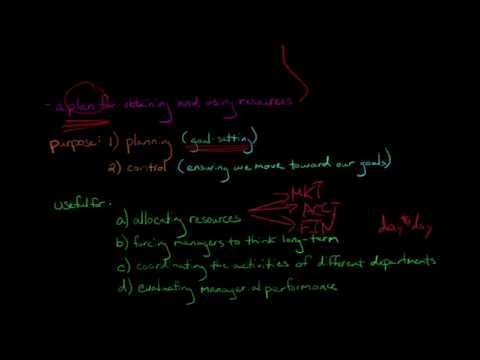
At its core, budget finance refers to the systematic process of planning, allocating, and monitoring your financial resources — income, expenses, savings, and investments — to meet your short-term needs and long-term goals. A personal budget serves as a financial roadmap, giving every dollar a defined purpose so you spend intentionally rather than reactively.

The importance of budget planning cannot be overstated. According to the Bureau of Labor Statistics, the average American household spends roughly $70,000 per year, yet a significant portion of that goes unaccounted for. Without a structured approach to money management, even high earners can find themselves struggling with poor cash flow management and mounting liabilities. Budgeting empowers you to identify wasteful spending, prepare for unexpected costs, and direct funds toward wealth-building opportunities like retirement accounts and investment portfolios.
Beyond the numbers, personal budgeting also reduces financial stress. Studies from the American Psychological Association consistently link financial uncertainty to anxiety, sleep disruption, and relationship strain. A well-crafted budget brings clarity and confidence to your financial life.
Budget Finance for Beginners — Building Your First Framework
If you’ve never created a monthly budget before, the process might feel overwhelming. But the best budgeting strategies for beginners break the process into manageable, actionable steps. Here’s how to get started with your first expense tracking system.
The 50/30/20 Rule Explained
One of the most popular beginner-friendly frameworks is the 50/30/20 budgeting rule, popularized by Senator Elizabeth Warren in her book *All Your Worth*. This simple approach divides your after-tax income into three categories:
- 50% Needs — Fixed and essential expenses like rent, utilities, insurance, groceries, and minimum debt payments.
- 30% Wants — Discretionary spending on dining out, entertainment, subscriptions, and lifestyle upgrades.
- 20% Savings and Debt Repayment — Contributions to emergency funds, retirement accounts, and extra payments toward outstanding balances.
This method works beautifully for people who want a straightforward budget without tracking every single transaction. However, it’s important to customize the ratios based on your personal financial situation. If you carry high-interest debt, you might shift to a 50/20/30 split temporarily to accelerate your debt payoff strategy.
Tracking Your Expenses Effectively
Before you can allocate money, you need to understand where it’s going. Effective expense tracking involves reviewing at least 60–90 days of past transactions to identify patterns. You can use bank statements, credit card reports, or dedicated apps to categorize spending into budget categories such as housing, transportation, food, healthcare, and personal care.
Many beginners discover they’re spending 20–30% more than they realized on non-essential items. This “leak detection” phase is often the eye-opening moment that motivates long-term discipline.
Intermediate Budget Finance Strategies — Optimizing Your Money Flow
Once you’ve mastered the basics, it’s time to refine your approach. Intermediate budget finance techniques focus on optimizing cash flow, building resilience, and strategically reducing liabilities.
Emergency Funds and Sinking Funds
An emergency fund is a non-negotiable financial safety net. Financial experts recommend saving three to six months’ worth of living expenses in a high-yield savings account. This reserve protects you from derailing your entire budget when life throws unexpected curveballs — job loss, medical bills, or major car repairs.
Complement your emergency fund with sinking funds — dedicated savings pools for predictable but irregular expenses like annual insurance premiums, holiday gifts, vehicle maintenance, and home repairs. Sinking funds prevent these costs from becoming financial emergencies in the first place.
Debt Management Within Your Budget
Integrating debt repayment into your monthly budget is crucial. Two proven strategies exist:
- The Debt Snowball Method — Pay off debts from smallest to largest balance, gaining psychological momentum as you eliminate accounts one by one.
- The Debt Avalanche Method — Target debts with the highest interest rates first, saving more money over the long run through reduced interest charges.
Your choice depends on whether you value quick wins (snowball) or mathematical efficiency (avalanche). Regardless of method, always allocate more than the minimum payment whenever possible and avoid taking on new consumer debt.
Advanced Budget Finance Techniques — Mastering Wealth Building
For those who’ve built a solid financial foundation, advanced budgeting unlocks next-level wealth creation. These techniques are favored by certified financial planners and high-net-worth individuals.
Zero-Based Budgeting
Zero-based budgeting (ZBB) is the gold standard of precision money management. Unlike traditional budgets that estimate figures, ZBB assigns every dollar of income to a specific category until your remaining balance equals zero. This doesn’t mean you spend everything — it means every dollar is intentionally directed, whether toward bills, savings, investments, or discretionary items.
ZBB requires more effort than the 50/30/20 rule, but it provides unmatched visibility into your finances. It’s especially effective for people with variable income, freelancers, and entrepreneurs who need to plan around irregular cash flow.
Investment Allocation Within Your Budget
Advanced budgeters treat investing as a fixed expense line item rather than an afterthought. Key principles include:

- Automating contributions to employer-sponsored retirement plans (401(k), 403(b)) to capture full employer matches — essentially free money.
- Diversifying across index funds, ETFs, and bonds to balance growth and risk.
- Maintaining a separate investment portfolio budget category to ensure consistency regardless of monthly spending fluctuations.
- Rebalancing annually to maintain target asset allocation ratios.
By treating investments as a non-negotiable budget category, you harness the power of compound growth over decades, turning modest monthly contributions into significant wealth.
Budget Finance Tools and Apps Comparison
Choosing the right budgeting tool dramatically impacts your consistency. Here’s a comparison of popular financial planning platforms:
| Tool | Best For | Price | Key Feature |
| Mint | Beginners seeking automation | Free | Automatic transaction categorization |
| You Need a Budget (YNAB) | Zero-based budgeting enthusiasts | $14.99/month | Every-dollar assignment philosophy |
| Personal Capital | Investment-focused budgeters | Free | Portfolio tracking and net worth dashboard |
| Goodbudget | Envelope method adopters | $10/month | Digital envelope spending system |
| Spreadsheet (DIY) | Customization lovers | Free | Full control over categories and formulas |
Common Budget Finance Mistakes to Avoid
Even with the best intentions, people frequently sabotage their budgeting efforts. Watch out for these pitfalls:
- Neglecting irregular expenses — Forgetting annual subscriptions, car registration, or medical copays blows up a budget unexpectedly.
- Being too restrictive — Overly tight budgets lead to burnout and binge spending. Build in a modest “fun money” allowance.
- Ignoring inflation adjustments — Your budget must evolve. Recalculate categories annually to account for rising costs.
- Not reviewing the budget regularly — A budget created once and forgotten is useless. Schedule weekly or biweekly check-ins.
- Comparing your finances to others — Focus on your personal financial wellness journey rather than external benchmarks.
Expert Tips for Long-Term Financial Success
Financial professionals consistently emphasize these expert budgeting tips for sustained progress:
- Automate everything possible. Set up automatic transfers to savings and investment accounts on payday so discipline isn’t required.
- Audit subscriptions quarterly. Cancel unused memberships — the average person wastes over $200 monthly on forgotten subscriptions.
- Use the 24-hour rule. Wait a full day before making any non-essential purchase over $50 to eliminate impulse spending.
- Track your net worth. Monthly net worth calculations provide a holistic view of financial progress beyond just budgeting.
- Plan for taxes. If you’re self-employed or have side income, allocate 25–30% of earnings for tax obligations to avoid surprises.
Conclusion
Budget finance is not about restriction — it’s about empowerment. A thoughtfully constructed budget gives you control over your cash flow, reduces financial anxiety, and creates a clear pathway from where you are today to where you want to be tomorrow. Whether you adopt the simple 50/30/20 rule or dive deep into zero-based budgeting, the key is consistency and intentional review. Start today, iterate continuously, and watch your financial landscape transform over time.
Frequently Asked Questions About Budget Finance
What is the best budgeting method for someone with irregular income?
Zero-based budgeting works exceptionally well for irregular income. Start by averaging your earnings over the past six to twelve months, then assign every dollar to specific categories. Any surplus beyond your baseline goes into a buffer fund that smooths out low-earning months.
How long does it take to see results from a personal budget?
Most people notice reduced financial stress within the first 30 days. Tangible results like increased savings balances and reduced debt typically appear within three to six months of consistent budget adherence.
Should I include investment savings in my monthly budget?
Absolutely. Treating investments as a non-negotiable budget category ensures consistent wealth accumulation. Even allocating just 10–15% of income toward investments compounds dramatically over 10–20 years.
How can I budget effectively as a beginner with no prior financial planning experience?
Start by tracking all expenses for 30 days, then apply the 50/30/20 rule as a framework. Use a free app like Mint or a simple spreadsheet to maintain visibility. As confidence grows, transition to more advanced techniques like sinking funds and debt-specific allocations.
What’s the difference between a budget and a financial plan?
A budget focuses on short-term cash flow management — how you allocate income across spending and saving categories each month. A financial plan takes a broader view, incorporating long-term goals like retirement, education funding, insurance coverage, estate planning, and investment strategy. Budgets are components within a comprehensive financial plan.
How do I adjust my budget when facing a financial emergency?
Temporarily suspend all discretionary spending and redirect funds toward the emergency. Draw from your emergency fund if available, then rebuild it aggressively once the crisis passes. Reassess your budget categories and consider temporarily reducing variable expenses like dining out, entertainment, and non-essential subscriptions until stability returns.