


For millions of Americans looking to grow their wealth, Bank of America investing has emerged as one of the most accessible and feature-rich pathways available today. Whether you are taking your first steps into the world of financial markets or you are a seasoned investor seeking advanced trading tools, the combination of Bank of America’s banking ecosystem and Merrill Edge brokerage services offers a compelling platform. This article dives deep into the investment options available through Bank of America, the charges associated with each account type, practical strategies for beginners and experienced investors alike, and how to determine whether this brokerage solution fits your financial goals. If you have been searching for how to invest with Bank of America or wondering whether Bank of America is a good place to invest, you are in the right place.
What Is Bank of America Investing?
Bank of America investing refers to the brokerage and investment services offered through the bank’s partnership with Merrill Lynch, marketed under the Merrill Edge brand. This integrated approach allows customers to manage their everyday banking alongside investment portfolios within the same institution. The platform provides access to stocks, bonds, mutual funds, exchange-traded funds (ETFs), options, and other securities. Unlike standalone discount brokers, Bank of America investing leverages the trust and infrastructure of one of the largest financial institutions in the world, giving clients a sense of security alongside digital convenience.
The Merrill Edge platform is available through a web interface and a mobile app, both of which are well-designed and offer real-time quotes, portfolio tracking, research tools, and educational content. Investors can open individual accounts, joint accounts, custodial accounts, and retirement accounts including Traditional IRAs, Roth IRAs, and Rollover IRAs directly through the Bank of America online portal.
Types of Investment Accounts Available
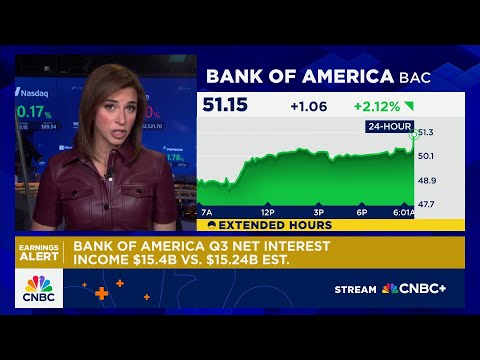
Understanding the range of account options is critical when evaluating Bank of America as your investment partner. Here is a detailed breakdown of the account types you can open.
Individual Brokerage Accounts
A standard taxable brokerage account through Merrill Edge lets you trade stocks, bonds, ETFs, and mutual funds. These accounts offer flexibility, meaning you can buy and sell securities without the restrictions that come with retirement accounts. There are no contribution limits, but capital gains and dividends are subject to taxation.
Retirement Accounts
Bank of America offers Traditional IRAs and Roth IRAs, each with distinct tax advantages. A Traditional IRA provides upfront tax deductions on contributions, while withdrawals in retirement are taxed as ordinary income. A Roth IRA is funded with after-tax dollars, but qualified withdrawals are entirely tax-free. For those transitioning from another employer’s retirement plan, the Rollover IRA option allows you to consolidate old 401(k) or 403(b) balances into a single, manageable account.
Custodial and Joint Accounts
Parents and guardians can open custodial accounts for minors, introducing younger generations to the power of compound growth early. Joint accounts allow two or more adults to co-manage investments, which is useful for couples or business partners sharing financial goals.
Managed Portfolio Accounts
For investors who prefer a hands-off approach, Merrill Edge offers managed portfolio services where professional advisors construct and rebalance portfolios based on your risk tolerance and objectives. These are ideal for those who want expert oversight without managing investments day-to-day.
How to Get Started with Bank of America Investing
Opening an investment account through Bank of America is straightforward, especially if you already have a checking or savings relationship with the bank. Follow these steps to begin:
- Log into your Bank of America online banking portal. If you do not already have an account, you will need to create one and complete identity verification.
- Navigate to the Merrill Edge section. From the dashboard, select the brokerage and investing option to begin the account opening process.
- Choose your account type. Select from individual, retirement, joint, or custodial options based on your financial goals.
- Complete the risk assessment questionnaire. This helps the platform recommend suitable investment products and, if desired, connect you with an advisor.
- Fund your account. You can transfer money from your Bank of America checking or savings account, set up wire transfers, or link an external bank account.
- Start investing. Once funded, you can browse thousands of securities, place trades, set up recurring investments, and monitor performance from your dashboard.
Investment Options and Strategies
Bank of America’s Merrill Edge platform gives you access to a broad universe of investment products. Here are the primary options available and strategies suited to different experience levels.
Stocks and ETFs
Individual stocks allow direct ownership in companies, while ETFs provide diversified exposure to entire sectors, indices, or themes. For beginners, broad-market ETFs like those tracking the S&P 500 offer instant diversification with lower risk. Experienced traders can use individual stock picking combined with technical and fundamental analysis to target high-growth opportunities.
Mutual Funds
Mutual funds pool money from many investors to purchase a diversified basket of securities. Bank of America offers thousands of mutual funds, including no-load options that do not charge a sales commission. Index funds and target-date funds are particularly popular among long-term, buy-and-hold investors.
Bonds and Fixed Income
Investors seeking stability and regular income can explore U.S. Treasury securities, municipal bonds, corporate bonds, and bond funds. Fixed-income products play a critical role in balancing portfolio risk, especially as retirement approaches.
Options Trading
For advanced investors, Merrill Edge provides options trading capabilities, including covered calls, protective puts, and spread strategies. Options allow sophisticated investors to generate income, hedge positions, or express directional views on securities.
Fees, Commissions, and Costs
One of the most important factors in choosing an investment platform is understanding the cost structure. Bank of America generally does not charge commission fees for online stock, ETF, and option trades through Merrill Edge. However, there are other costs to be aware of.
| Fee Type | Details | Who It Affects |
| Stock/ETF Trade Commission | $0 per trade (online) | All clients |
| Option Contract Fee | $0 + $0.65 per contract | Options traders |
| Mutual Fund Transactions | Varies by fund; many no-load options available | Mutual fund investors |
| Wire Transfer Fee | $15 for incoming domestic wires | Clients funding accounts externally |
| Paper Statement Fee | $3 per statement (waivable) | Clients not enrolled in e-statements |
| Inactivity Fee | None currently | All clients |
| Managed Portfolio Advisory | Typically 0.50% to 1.00% AUM annually | Clients using managed portfolios |
The zero-commission trading model is a significant advantage, especially when compared to traditional brokerage firms that historically charged $5 to $10 per trade. However, investors should always review the fund prospectus for expense ratios, which are separate from trade commissions and are charged by the fund provider.
Bank of America Investing vs. Other Platforms
To put Bank of America’s investing services in context, here is a comparison with popular alternatives.
| Feature | Merrill Edge (Bank of America) | Fidelity | Wealthfront |
| Stock/ETF Commissions | $0 | $0 | N/A (robo-advisor) |
| Account Minimum | $0 | $0 | $500 |
| Robo-Advisory | Available via managed portfolios | Not primary focus | Core offering |
| Human Advisors | Available (miles-based referral program) | Available at Fidelity Advice | Limited |
| Banking Integration | Full (checking, savings, credit) | No direct banking | No banking |
| Educational Resources | Extensive (Merrill research, articles) | Extensive (Fidelity Learning Center) | Moderate |
| Mobile Experience | Strong | Excellent | Good |
The standout advantage of Bank of America investing is the seamless integration between banking and brokerage services. If you already bank with Bank of America, the ability to instantly transfer funds and view your entire financial picture in one dashboard is a major convenience that standalone brokerages cannot match.

Expert Tips for Maximizing Returns
Regardless of your experience level, these practical recommendations can help you get the most out of Bank of America’s investment platform:
- Leverage the Research Tools. Merrill Edge provides access to Morningstar ratings, analyst reports, and stock screeners. Use these tools to make informed decisions rather than trading on instinct alone.
- Set Up Automatic Recurring Investments. Dollar-cost averaging reduces the impact of market volatility and removes the emotional component of timing the market.
- Diversify Across Asset Classes. A well-balanced portfolio should include a mix of equities, fixed income, and alternative assets tailored to your age, risk tolerance, and time horizon.
- Utilize IRA Accounts for Tax Benefits. If you have earned income, maximizing your IRA contributions each year can significantly boost long-term wealth accumulation through tax-deferred or tax-free growth.
- Review Your Portfolio Quarterly. Rebalancing ensures your asset allocation stays aligned with your goals and prevents any single investment from dominating your portfolio.
- Take Advantage of the Rewards Program. Bank of America credit card rewards can sometimes be linked to Merrill accounts, providing an additional pathway to build your investment contributions.

Is Bank of America Investing Right for You?
Bank of America investing is an excellent choice for individuals who value the convenience of an integrated banking and brokerage experience, zero-commission trading, and access to professional advisory services. Beginners benefit from the user-friendly interface and educational resources, while experienced traders appreciate the robust research tools and options capabilities. The lack of account minimums and the absence of trade commissions make it accessible to virtually any investor.
However, if you are a dedicated passive investor who prefers robo-advisory services, platforms like Wealthfront or Betterment may offer more streamlined algorithmic portfolio management. Similarly, if research is your top priority, dedicated research platforms may provide deeper analytical tools. Ultimately, Bank of America investing delivers strong value, particularly for existing bank customers who want simplicity and security in their financial lives.
Frequently Asked Questions
1. Is Bank of America a good place to invest for beginners?
Absolutely. The Merrill Edge platform is designed with user-friendliness in mind, offering intuitive navigation, educational articles, video tutorials, and a low barrier to entry with no account minimums and zero-commission trades. Beginners can start with small amounts and grow their portfolios over time using automatic investment features.
2. What are the fees for trading stocks and ETFs on Merrill Edge?
Merrill Edge charges $0 commission for online stock and ETF trades. There are no account maintenance fees for brokerage accounts, though wire transfer fees and paper statement fees may apply. Managed portfolio accounts carry advisory fees based on assets under management.
3. Can I open a retirement account through Bank of America investing?
Yes. You can open Traditional IRAs, Roth IRAs, and Rollover IRAs directly through the Merrill Edge platform. These accounts come with the same zero-commission trading benefits and access to mutual funds, ETFs, and bonds.
4. Does Bank of America offer managed investment services?
Yes, through Merrill Edge’s managed portfolio services, qualified clients can have professional advisors construct and manage their investment portfolios. This is ideal for investors who want expert management without active trading involvement.
5. How does Bank of America investing compare to its competitor platforms like Fidelity?
Bank of America offers similar commission-free trading and a broad range of investment products. The key differentiator is the deep integration with Bank of America banking, including seamless fund transfers, combined account views, and credit card reward linkages. Fidelity, on the other hand, offers a slightly superior mobile experience and a stronger focus on independent research and the Fidelity Charitable giving account.
6. Can I trade options through Bank of America Merrill Edge?
Yes. Merrill Edge supports options trading with $0 commission per trade plus $0.65 per contract fee. Options strategies including buying calls and puts, writing covered calls, and establishing spreads are all available through the platform for approved accounts.
Final Thoughts
Bank of America investing represents a powerful, well-rounded solution for individuals who want to build and manage wealth without juggling multiple financial institutions. The combination of zero-commission trades, no account minimums, comprehensive research tools, and deep banking integration makes Merrill Edge a standout choice in today’s crowded brokerage landscape. Whether you are a novice investor building your first portfolio or a seasoned trader executing complex strategies, the platform provides the tools, resources, and flexibility to succeed. Start by exploring your account options today and take a meaningful step toward securing your financial future through the trusted legacy of Bank of America and Merrill Edge.