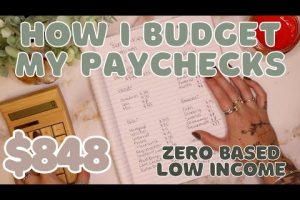
When people talk about budgeting budget, they are really diving into one of the most transformative financial habits a person or household can develop. Budgeting is not just about cutting expenses or depriving yourself of the things you enjoy. It is about building awareness, creating intention, and designing a financial roadmap that aligns with your goals. Whether you are just starting your first job, managing a growing family, or trying to climb out of debt, understanding budgeting at every level can make the difference between financial stress and financial freedom. In this comprehensive guide, we will explore everything from foundational concepts to advanced strategies, giving you the tools and knowledge to take full control of your money.
What Budgeting Really Means in Personal Finance
At its core, budgeting is the process of creating a detailed plan for how you will allocate your income across spending, saving, and investing categories. It serves as a financial blueprint that tells your dollars where to go before you spend them. Many people mistakenly believe that budgeting is only for those who are struggling financially, but the truth is that budgeting benefits every income level from entry-level earners to high-net-worth individuals.
The Difference Between a Budget and a Spending Plan

Some financial experts prefer to call a budget a spending plan because it reframes the concept from restriction to empowerment. A budget without purpose leads to frustration, while a spending plan built around your values and priorities creates motivation. The key is to treat your budget as a living document that evolves with your circumstances rather than a rigid set of rules you must follow perfectly.
Why Budgeting Matters More Than Ever in Today’s Economy
The modern financial landscape is more complex than ever before. Rising inflation, unpredictable job markets, and the proliferation of subscription services and digital payments have made it easier than ever to lose track of where your money goes. Without a clear budget, small leaks in your spending can accumulate into significant financial problems over time.
Consider these compelling reasons to prioritize your budgeting efforts:
- Emergency preparedness: A well-structured budget ensures you build an emergency fund that can cover 3 to 6 months of essential expenses.
- Debt reduction: Tracking your cash flow allows you to allocate extra money toward paying off loans and credit card balances faster.
- Goal achievement: Whether you are saving for a home, education, or retirement, a budget turns abstract dreams into measurable milestones.
- Reduced financial anxiety: Studies consistently show that people who budget regularly experience lower levels of money-related stress.
- Better decision-making: A budget provides data-driven clarity that helps you make informed choices about major purchases and life changes.
Popular Budgeting Methods Compared
Not every budgeting approach works for every person. Different methods suit different personalities, lifestyles, and financial goals. Below is a comparison of the most widely used budgeting strategies so you can choose the one that fits your needs best.
| Method | Core Principle | Best For | Difficulty Level |
| 50/30/20 Rule | 50% needs, 30% wants, 20% savings | Budgeting beginners | Easy |
| Zero-Based Budgeting | Every dollar gets a designated job | Detail-oriented planners | Medium |
| Envelope System | Cash allocated into physical or digital envelopes | Overspenders and visual learners | Medium |
| Pay-Yourself-First | Savings and investments come first | Long-term wealth builders | Easy |
| Value-Based Budgeting | Spending aligned with personal priorities | Experienced budgeters seeking meaning | Advanced |
The 50/30/20 rule remains the most popular entry point for budgeting beginners because it simplifies allocation into three broad categories. Zero-based budgeting requires more discipline but offers maximum control because every single dollar is accounted for before the month begins. The envelope system has gained renewed popularity through digital apps that replicate the cash-envelope experience without the inconvenience of carrying physical money.
How to Build Your First Budget From Scratch
If you have never created a budget before, starting can feel overwhelming. But the process is simpler than you think when you break it down into manageable steps. Follow this numbered guide to build your first budget today:
- Calculate your total monthly income. Include your salary, freelance earnings, side hustles, and any recurring passive income streams.
- List all fixed expenses. These include rent or mortgage, insurance premiums, loan payments, and subscription services that stay relatively constant each month.
- Track variable expenses for 30 days. Use bank statements or a budgeting app to capture spending on groceries, dining out, transportation, entertainment, and miscellaneous purchases.
- Categorize your spending. Group expenses into needs, wants, savings, and debt repayment to see where your money is actually going.
- Set realistic limits for each category. Start with achievable targets rather than trying to overhaul your entire financial life overnight.
- Review and adjust weekly. The first month is always a learning experience. Check in mid-month to see if you need to reallocate funds between categories.
Expert tip: Do not aim for perfection in your first budget. Aim for awareness. Even a rough budget that you consistently review will outperform no budget at all. The most important habit you can build is the discipline of sitting down regularly to examine your financial data.
Intermediate Budgeting Strategies That Deliver Results
Once you have mastered the basics of budgeting, it is time to level up. Intermediate strategies focus on optimization, automation, and behavioral psychology to make your budget work harder for you.
Automate Your Savings and Bill Payments
One of the most effective intermediate budgeting techniques is automation. Set up automatic transfers to your savings account on payday so that saving happens before you even see the money. Automate recurring bills to avoid late fees and protect your credit score. Automation reduces decision fatigue and ensures that your most important financial priorities are handled consistently.
Implement a Sinking Funds Strategy
Sinking funds are dedicated savings categories for irregular or upcoming expenses such as car repairs, annual insurance premiums, holiday gifts, or medical co-pays. By setting aside small amounts each month into these funds, you avoid the shock of large, unexpected costs derailing your budget. This approach is a cornerstone of effective budget planning and financial stability.
Conduct Monthly Budget Audits
At the end of each month, compare your planned budget against your actual spending. Identify categories where you consistently overspend and investigate the root cause. Are your limits unrealistic? Are there lifestyle creep patterns you need to address? Regular audits create a feedback loop that continuously improves your budgeting accuracy over time.
Advanced Budgeting Techniques for Serious Financial Masters
For those who have been budgeting for years and want to maximize every financial decision, advanced techniques offer deeper layers of control and optimization.

Cash flow budgeting goes beyond monthly cycles and aligns your spending with your actual income flow. If you are paid biweekly, for example, you create a budget that maps expenses to each paycheck rather than dividing everything evenly across the calendar month. This approach prevents shortfalls and creates smoother cash management.
Scenario-based budgeting involves creating multiple budget versions for different financial situations. You might maintain a budget for your normal income, a lean budget for periods of reduced income, and an aggressive savings budget for months with bonuses or windfalls. This prepares you for uncertainty and makes you financially resilient.
Reverse budgeting starts with your financial goals and works backward to determine how much you need to save and invest each month to achieve them. Instead of starting with income and subtracting expenses, you start with goals and build your budget around them. This method is particularly powerful for long-term objectives like early retirement or financial independence.
Best Budgeting Tools and Apps to Streamline Your Process
Technology has revolutionized how people manage their budgets. The right tools can save you hours of manual tracking and provide insights that would be impossible to spot on paper. Popular options include budgeting apps that sync directly with your bank accounts, spreadsheet templates for those who prefer full control, and envelope-style digital apps that mimic the cash allocation method. Choose a tool that matches your comfort level with technology and your specific budgeting style.
Expert Tips for Long-Term Budgeting Success
- Build in fun money. A budget that does not include discretionary spending for enjoyment will fail within weeks. Allocate money for hobbies, dining out, and entertainment without guilt.
- Use the 24-hour rule. For non-essential purchases over a set threshold, wait 24 hours before buying. This simple habit reduces impulse spending dramatically.
- Celebrate milestones. When you hit a savings goal or pay off a debt, acknowledge the achievement. Positive reinforcement builds lasting financial habits.
- Review your budget after major life changes. Getting married, having a child, changing jobs, or moving to a new city all warrant a complete budget reassessment.
- Focus on progress, not perfection. The best budget is the one you actually follow consistently, even if it is not mathematically ideal.
Frequently Asked Questions About Budgeting
What is the best budgeting method for beginners? The 50/30/20 rule is widely regarded as the best starting point for beginners because it simplifies financial planning into three intuitive categories without requiring extensive tracking or spreadsheet management.
How often should I update my budget? You should review your budget at least once a week during the month and conduct a comprehensive monthly audit comparing planned versus actual spending to identify trends and areas for improvement.
Can budgeting help me get out of debt faster? Absolutely. A well-structured budget identifies money that can be redirected toward debt repayment using strategies like the avalanche method or snowball method, accelerating your path to becoming debt-free.
What should I do if my budget consistently fails? If your budget fails regularly, start by simplifying it. Reduce the number of categories, lower your savings targets slightly, and focus on building the habit of consistency before adding complexity back in.
Is it better to budget monthly or biweekly? If your income is biweekly, budgeting on a biweekly cycle often provides more accurate cash flow management and prevents the mid-month shortfalls that can occur when dividing monthly income evenly across calendar weeks.
Conclusion: Your Budget Is Your Financial Foundation
Budgeting is not a one-time activity or a temporary fix. It is an ongoing practice that grows with you as your income, expenses, and life circumstances change. Whether you are taking your very first steps into financial planning or refining advanced strategies for wealth building, the principles of intentional budgeting remain the same. Know your numbers, align your spending with your values, and commit to consistent review and adjustment. The financial freedom you desire starts with the simple yet powerful act of creating and maintaining a budget that truly works for you. Start today, stay patient with the process, and trust that every small improvement in your budgeting habits compounds into significant financial results over time.