


Running a small business means wearing dozens of hats at once, and accounting is one of the most critical roles you simply cannot afford to neglect. Whether you are a solopreneor launching your first venture or managing a team of twenty employees, the way you handle your finances directly impacts your growth trajectory, tax obligations, and long-term stability. Accounting services for small business have evolved far beyond basic number-crunching, now encompassing strategic financial planning, compliance management, and real-time insights that help entrepreneurs make smarter decisions every single day. In this comprehensive guide, we will explore everything you need to know about selecting, leveraging, and maximizing the value of professional accounting support for your small business.
Why Small Businesses Need Professional Accounting Services
Many small business owners initially try to manage their own books, especially in the early stages. While this approach might work temporarily, it quickly becomes unsustainable as your business grows in complexity. Professional small business bookkeeping and accounting services bring structure, accuracy, and strategic value that informal tracking simply cannot match.
Here is why investing in dedicated accounting support matters:
- Accuracy and compliance: Tax laws and financial regulations change frequently. Professional accountants ensure your records stay compliant with current requirements, reducing the risk of costly penalties or audits.
- Time savings: Hours spent reconciling receipts or chasing invoices are hours you are not spending on revenue-generating activities like sales, marketing, or product development.
- Better decision-making: Clean, up-to-date financial statements give you a clear picture of profitability, cash flow trends, and spending patterns, enabling data-driven business decisions.
- Scalability: As your business expands, your accounting needs become more sophisticated. Professional services scale alongside your operations without requiring you to hire full-time staff.
Think of professional accounting not as a cost center but as a strategic investment that protects your business from financial risks while unlocking growth opportunities you might otherwise miss.
Core Accounting Services Every Small Business Should Know About

Not all accounting firms offer the same services, and not every small business needs the full spectrum. Understanding what is available helps you make informed choices about where to allocate your resources.
Bookkeeping and Day-to-Day Financial Management
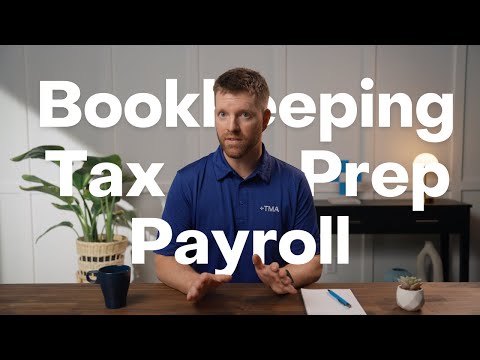
Small business bookkeeping forms the foundation of every accounting relationship. This includes recording daily transactions, categorizing expenses, managing accounts payable and receivable, and maintaining the general ledger. Many modern bookkeeping services also handle bank reconciliation and credit card statement matching to ensure every dollar is accounted for.
Tax Preparation and Planning
Tax preparation for small business goes far beyond simply filing returns at the end of the year. Quality accounting services include year-round tax planning strategies, quarterly estimated tax payments, deduction optimization, and proactive guidance on how business decisions will affect your tax liability. Whether you operate as an LLC, S-Corp, sole proprietorship, or partnership, your tax strategy should be tailored to your specific structure.
Financial Reporting and Analysis
Financial reporting for small business involves generating key documents such as income statements, balance sheets, and cash flow statements. These reports are essential for understanding your business’s financial health at a glance and are often required by lenders, investors, or partners when seeking funding or evaluating performance.
Payroll Processing
If you have employees, small business payroll services handle wage calculations, tax withholdings, direct deposits, year-end W-2 and 1099 filings, and benefits administration. Managing payroll in-house is notoriously complex due to ever-changing tax rates and labor regulations, making outsourced payroll a popular choice among growing businesses.
Advisory and Strategic Consulting
The most value-forward accounting firms go beyond compliance to offer small business financial advisory services. This includes cash flow forecasting, budgeting assistance, profitability analysis, growth planning, and guidance on pricing strategies. These advisory services transform your accountant from a back-office function into a true business partner.
How to Choose the Right Accounting Service for Your Business
Selecting the right accounting partner is one of the most important decisions you will make as a small business owner. The wrong fit can lead to errors, missed deductions, or unnecessary expenses. Here is a practical framework to guide your evaluation:
- Assess your specific needs: Do you need basic bookkeeping, full-service tax preparation, or comprehensive advisory support? Be honest about your pain points and growth goals.
- Check industry experience: An accountant familiar with your industry understands your unique challenges, revenue models, and tax considerations far better than a generalist.
- Evaluate technology and tools: Modern accounting services leverage cloud-based platforms like QuickBooks, Xero, and FreshBooks. Ensure your provider uses tools that integrate seamlessly with your existing systems.
- Review pricing transparency: Look for firms that offer clear, upfront pricing rather than vague hourly billing structures that can spiral out of control.
- Ask for references and testimonials: A reputable firm will have no problem sharing client references or case studies demonstrating their impact.
Accounting Services Pricing Models Compared
Understanding how accounting firms charge for their services helps you budget effectively and avoid surprises. The table below compares the most common pricing models for outsourced accounting services for small business.
| Pricing Model | How It Works | Best For | Average Monthly Cost |
| Hourly Rate | Billed per hour of work performed | Occasional or project-based needs | $150–$400 per hour |
| Fixed Monthly Retainer | A set monthly fee for defined services | Ongoing bookkeeping and compliance | $500–$3,000/month |
| Per-Transaction Pricing | Charged based on volume of transactions | High-volume, low-complexity businesses | $1–$15 per transaction |
| Value-Based Pricing | Pricing tied to the value delivered | Strategic advisory and tax planning | Varies widely |
For most small businesses, a fixed monthly retainer model offers the best balance of predictability and value. You know exactly what you are paying each month, and the provider is incentivized to deliver consistent, quality service rather than inflating hours to increase their bill.
Common Accounting Mistakes Small Business Owners Make
Even with the best intentions, small business owners frequently make accounting errors that can have serious consequences. Being aware of these pitfalls is the first step toward avoiding them:
- Mixing personal and business finances: commingling funds creates a nightmare during tax season and can jeopardize your limited liability protection if you operate as an LLC or corporation.
- Neglecting receipts and documentation: Without proper receipts, deductible expenses become unverifiable, leaving money on the table or creating audit risk.
- Ignoring cash flow monitoring: Profitability on paper means nothing if you cannot pay your bills. Regular cash flow analysis is essential for operational survival.
- Delaying bookkeeping entries: Falling behind on recording transactions leads to reconciliation errors and makes tax preparation a frantic, error-prone scramble.
- DIYing complex tax strategies: While basic tax filing is manageable, advanced strategies like entity structuring, multi-state tax obligations, and R&D credits require professional expertise.
The takeaway is clear: investing in professional accounting services early prevents costly mistakes that become exponentially more expensive to fix over time.
Advanced Accounting Strategies for Growing Businesses
Once your small business reaches a certain level of complexity, basic bookkeeping is no longer sufficient. At this stage, you need advanced financial management strategies that position your business for sustainable growth and long-term profitability.
Consider implementing these approaches:
- Implement accrual-based accounting: Moving from cash-basis to accrual-basis accounting gives you a more accurate picture of your financial position by matching revenues with the expenses incurred to generate them, regardless of when money changes hands.
- Leverage cloud accounting platforms: Tools like QuickBooks Online, Xero, and Sage offer real-time dashboards, automated bank feeds, and integration with hundreds of third-party apps, giving you unprecedented visibility into your finances from anywhere.
- Establish key performance indicators (KPIs): Work with your accountant to define financial KPIs relevant to your business, such as gross margin percentage, customer acquisition cost, and days sales outstanding. Tracking these metrics over time reveals trends that drive strategic decisions.
- Plan for tax-efficient growth: As profits increase, explore strategies like retirement plan contributions, entity election changes, and expense structuring that legally minimize your tax burden while reinvesting in the business.
- Schedule quarterly financial reviews: Rather than waiting until year-end, quarterly reviews with your accountant allow you to course-correct early, catch issues before they escalate, and capitalize on emerging opportunities.
These advanced strategies transform your accounting function from a reactive compliance tool into a proactive engine for business growth and financial resilience.
Frequently Asked Questions About Accounting Services for Small Business
How much do accounting services cost for a small business?
Costs vary significantly based on the scope of services, business complexity, and geographic location. Basic bookkeeping packages typically range from $500 to $1,500 per month, while comprehensive services including tax planning and advisory may run $2,000 to $5,000 or more monthly. The best approach is to request detailed quotes from multiple providers and compare the value offered at each price point rather than simply choosing the lowest bidder.
When should a small business hire a professional accountant instead of using software?
If your business generates more than a few thousand dollars in monthly revenue, has multiple income streams, employs staff, or operates in a regulated industry, professional accounting services become essential. While software like QuickBooks or Wave handles basic transaction tracking, a human accountant provides the strategic interpretation, tax optimization, and compliance expertise that automated tools simply cannot replicate.
What is the difference between bookkeeping and accounting services?
Bookkeeping focuses on the daily recording and organization of financial transactions, while accounting encompasses a broader scope that includes financial analysis, tax preparation, compliance reporting, strategic advising, and long-term planning. Most small businesses benefit from a provider that offers both, ensuring continuity from raw data entry to high-level financial strategy.
Can outsourced accounting services handle multi-state tax obligations?
Yes, many professional accounting firms specialize in handling multi-state tax compliance for businesses that operate across state lines. They track nexus requirements, manage different state filing deadlines, and ensure proper allocation of income and deductions across jurisdictions. This is a critical service for e-commerce businesses and companies with remote employees.
What should I look for in an accounting software recommendation?
Your accountant should recommend software based on your specific business model, transaction volume, and integration needs. Key factors include ease of use, mobile accessibility, automation capabilities, reporting features, and compatibility with your existing tools like CRM platforms and payment processors. The best software choice is one that reduces manual work while providing the data your accountant needs to deliver high-quality service.
Conclusion
Accounting services for small business are not a luxury reserved for established enterprises — they are a fundamental pillar of sustainable, profitable growth for businesses of every size and stage. From foundational bookkeeping and tax compliance to advanced financial strategy and advisory support, the right accounting partner adds immeasurable value to your operations. By understanding the services available, choosing the right provider, and avoiding common pitfalls, you position your business for clarity, compliance, and confident expansion. The investment you make in professional accounting today pays dividends in savings, stability, and strategic advantage for years to come.