


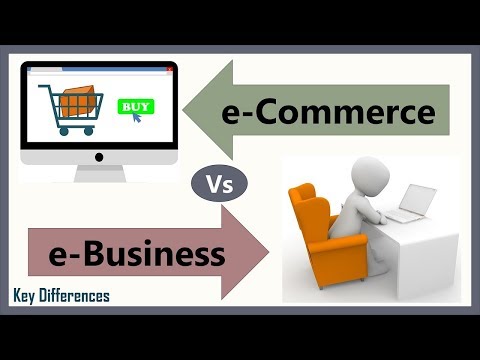
The world of commerce e-commerce has fundamentally reshaped how businesses operate, how consumers shop, and how value is exchanged across every industry on the planet. What began as a niche experiment in the mid-1990s has exploded into a trillion-dollar ecosystem that drives innovation, employment, and global trade. Whether you are an entrepreneur launching your first online store or a seasoned business owner scaling a multi-channel retail operation, understanding the nuances of electronic commerce is no longer optional — it is essential. This guide dives deep into the models, platforms, strategies, and future trends that define modern digital commerce, giving you actionable insights you can apply immediately.
What Does Commerce E-Commerce Actually Mean?
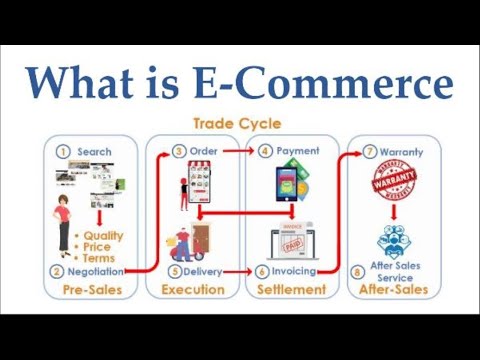
At its core, commerce e-commerce refers to the buying and selling of goods, services, or digital products through electronic channels — primarily the internet. But the term goes far beyond just placing a product on a website and waiting for sales. It encompasses the entire digital transaction lifecycle, including product discovery, payment processing, order fulfillment, customer relationship management, and post-purchase support. Electronic commerce also includes business-to-business transactions, mobile commerce, social commerce, and even emerging models like live shopping and conversational commerce.
The beauty of digital commerce lies in its accessibility. A solo entrepreneur in Nairobi can sell handmade crafts to a customer in Oslo using nothing more than a smartphone and a Shopify store. That leveling of the playing field is what makes ecommerce one of the most democratic business models in history.
The Evolution of Online Commerce
Understanding where ecommerce came from helps you see where it is going. The first documented online sale occurred in 1994 when a Sting CD was purchased over NetMarket. Since then, the industry has gone through several distinct phases:
- The Early Days (1990s–2000s): Basic storefront websites with limited payment options and slow dial-up connections. Trust was the biggest barrier.
- The Platform Era (2000s–2010s): Amazon, eBay, and Shopify democratized online selling. Payment gateways like PayPal made transactions safer and more convenient.
- The Mobile Commerce Revolution (2010s–Present): Smartphones became the primary shopping device for billions. Mobile-first design, digital wallets, and one-click purchasing transformed conversion rates.
- The AI and Omnichannel Era (Now and Beyond): Machine learning powers personalized recommendations, chatbots handle customer service, and unified commerce systems connect online and offline experiences seamlessly.
This evolution shows that successful ecommerce businesses are not static — they must adapt continuously to new technologies and shifting consumer expectations.
Types of E-Commerce Business Models

Not all online businesses operate the same way. The commerce e-commerce landscape is diverse, and choosing the right model is one of the most critical decisions you will make.
B2C E-Commerce (Business-to-Consumer)
This is the model most people think of when they hear the word ecommerce. A business sells directly to individual consumers. Think Nike.com, Warby Parker, or a local bakery that takes online cake orders. B2C ecommerce typically focuses on brand experience, emotional marketing, and fast shipping to drive repeat purchases.
B2B E-Commerce (Business-to-Business)
B2B electronic commerce involves transactions between businesses. A manufacturer selling raw materials to a factory, or a SaaS company selling project management software to enterprise clients — both are B2B ecommerce. These transactions tend to involve larger order volumes, longer sales cycles, and more complex pricing structures.
C2C and Other Emerging Models
Consumer-to-consumer platforms like eBay, Etsy, and Facebook Marketplace allow individuals to sell directly to other individuals. Other models include:
- C2B: Freelancers selling services to businesses (Upwork, Fiverr)
- D2C (Direct-to-Consumer): Brands bypassing retailers entirely (Glossier, Dollar Shave Club)
- Social Commerce: Selling directly through social media platforms like Instagram, TikTok Shop, and Pinterest
- Subscription Commerce: Recurring revenue models (Birchbox, Dollar Shave Club)
Comparing Popular E-Commerce Platforms
Choosing the right platform for your online commerce store is a decision that will shape your scalability, functionality, and long-term costs. Here is a comparison of the leading platforms in the current market.
| Platform | Best For | Pricing Model | Scalability | Customization |
| Shopify | Beginners and growing brands | Monthly subscription ($39+) | High | Moderate (apps + themes) |
| WooCommerce | WordPress users and developers | Free (hosting costs apply) | High (with optimization) | Unlimited (open-source) |
| BigCommerce | Mid-market B2B and B2C | Monthly subscription ($39+) | High | Good (native features) |
| Magento | Large enterprise stores | Open-source or Adobe Commerce | Enterprise-level | Full (requires developer team) |
| Squarespace | Creative businesses and small stores | Monthly subscription ($33+) | Moderate | Limited but polished |
Each platform has trade-offs. Shopify excels at ease of use and speed to market, while WooCommerce offers maximum flexibility at the cost of requiring more technical expertise. BigCommerce stands out for its native B2B features, making it a strong contender for wholesale and distributor stores.
Essential Strategies for Building a Successful E-Commerce Store
Launching an online store is only the beginning. The real work comes in making it profitable and sustainable. Here are proven strategies that serious ecommerce operators rely on:
- Start with Niche Research: Do not try to sell everything. Identify a specific audience with a clear pain point and build your product catalog around solving it.
- Invest in High-Quality Product Photography: Online customers cannot touch or feel products. Professional images and detailed descriptions close the sensory gap.
- Optimize for Mobile First: Over 60% of ecommerce traffic now comes from mobile devices. If your store does not load fast and look beautiful on a phone, you are losing sales.
- Implement Strong Email Marketing: Email remains the highest-ROI channel for ecommerce. Build your list from day one with lead magnets and welcome sequences.
- Leverage Social Proof: Reviews, user-generated content, testimonials, and trust badges dramatically increase conversion rates in digital commerce.
- Streamline Checkout: Every extra step in the checkout process costs you customers. Offer guest checkout, multiple payment methods, and one-page checkout flows.
E-Commerce SEO: Driving Organic Traffic to Your Store
Search engine optimization is the backbone of sustainable ecommerce growth. Without it, you are dependent on paid traffic and social media algorithms. Effective ecommerce SEO involves optimizing product pages, category pages, site structure, and technical elements like page speed and mobile usability.
Start by conducting thorough keyword research. Instead of targeting generic terms like “buy shoes,” focus on long-tail variations such as “best running shoes for flat feet women” or “affordable organic skincare set for sensitive skin.” These phrases have lower competition but higher purchase intent, which means better conversion rates.
Technical SEO for online stores also demands attention to site architecture. Use clean URL structures, implement schema markup for products (price, availability, reviews), and ensure your XML sitemap is always up to date. Page speed is another critical ranking factor — even a one-second delay in load time can reduce conversions by up to 7%.
Expert Tips for Scaling E-Commerce Revenue
Once your store is profitable, the next challenge is scaling without sacrificing margins or customer experience. Here are expert recommendations:

- Diversify your sales channels: List products on Amazon, Etsy, or wholesale marketplaces to reach new audiences without building new funnels.
- Use data-driven pricing: Tools like Prisync or DataWeave help you monitor competitor pricing and adjust your strategy in real time.
- Automate fulfillment: Integrate with third-party logistics providers (3PLs) to handle shipping, returns, and inventory management as order volumes grow.
- Build a loyalty program: Repeat customers spend 67% more than new customers. Points systems, exclusive early access, and personalized offers keep them coming back.
- Test constantly: Run A/B tests on product pages, checkout flows, and ad creatives. Small improvements compound into massive revenue gains over time.
Conclusion
The world of commerce e-commerce offers extraordinary opportunities for anyone willing to learn, adapt, and execute with intention. Whether your goal is a side income from a niche Shopify store or building a billion-dollar digital enterprise, the fundamentals remain the same: know your customer deeply, deliver exceptional value, optimize relentlessly, and stay ahead of technological trends. The barriers to entry have never been lower, and the tools available today are more powerful than at any point in the history of online business. The question is no longer whether you should pursue ecommerce — it is how fast you can build something that truly serves your customers and stands the test of time.
Frequently Asked Questions
What is the difference between commerce and e-commerce?
Commerce is the broad term for the exchange of goods, services, and value between entities. E-commerce (electronic commerce) specifically refers to transactions conducted through digital channels. While all ecommerce is a form of commerce, not all commerce is electronic. E-commerce adds layers of technology, automation, and digital experience that traditional commerce does not include.
What are the best e-commerce platforms for beginners in 2024?
Shopify and WooCommerce are widely considered the best options for beginners. Shopify offers a fully hosted, plug-and-play experience with excellent support and a vast app ecosystem. WooCommerce is free and integrates seamlessly with WordPress, making it ideal for those who want full control and have basic technical skills. Both platforms allow you to launch a functional online store within hours.
How much does it cost to start an e-commerce business?
Starting costs vary widely depending on your model. A basic Shopify store can be launched for under $50 per month (excluding product inventory and advertising). WooCommerce requires hosting costs of around $10–$30 per month plus domain fees. Budget-conscious entrepreneurs can start with print-on-demand or dropshipping models that require little to no upfront inventory investment, keeping initial costs between $100 and $500.
What drives the most success in online selling?
Three factors consistently drive the most success in online selling: customer experience, targeted marketing, and operational efficiency. Businesses that invest in fast-loading mobile-friendly stores, personalize their customer journeys, and streamline fulfillment operations consistently outperform competitors. Additionally, building an email list and leveraging social proof through authentic reviews creates compounding growth over time.
Is dropshipping still profitable for ecommerce in 2024?
Yes, dropshipping remains profitable but is significantly more competitive than it was five years ago. Success in 2024 requires finding underserved niches, building strong brand identities, investing in quality customer service, and mastering Facebook and TikTok advertising. The low barrier to entry means saturation is a real risk, but entrepreneurs who differentiate their stores and focus on customer retention can still build highly profitable dropshipping businesses.