


Animal growth care and management is a comprehensive discipline that sits at the heart of modern livestock production, veterinary science, and agricultural sustainability. Whether you are raising cattle, poultry, swine, or small ruminants, understanding how to optimize animal development through proper nutrition, housing, health monitoring, and management protocols is essential for achieving peak performance. This guide covers everything from foundational growth management principles to advanced strategies that experienced producers use to maximize animal productivity and welfare.
Understanding Animal Growth Care and Management
Animal growth management refers to the systematic approach of overseeing every phase of an animal’s developmental journey — from birth or hatch through maturity — ensuring that each stage receives the right balance of nutrients, environment, and medical attention. Effective animal husbandry growth strategies go far beyond simply feeding animals; they encompass the entire ecosystem in which livestock thrive.
At its core, growth performance optimization depends on three interconnected pillars: nutritional intake, environmental conditions, and preventive healthcare. When one of these pillars weakens, the others compensate only partially, and overall productivity declines. This is why integrated animal development care requires a holistic mindset rather than isolated fixes.
Key Phases of Animal Growth Management
Successful animal care and management practices recognize that different life stages demand different approaches. Here are the critical phases every producer should understand:
- Neonatal Phase: The first days of life where colostrum intake, warmth, and early disease prevention determine survival rates and long-term health.
- Growth Phase: A period of rapid tissue development where protein and energy requirements peak, and skeletal and muscular growth accelerate.
- Finishing Phase: The final stage before market or breeding, where body composition shifts and feed efficiency becomes the primary focus.
- Breeding and Maintenance: Sustaining optimal body condition for reproductive performance and long-term herd sustainability.
Nutrition and Feeding Strategies for Optimal Growth
Nutrition is arguably the single most influential factor in animal growth care and management. Feeding strategies directly impact weight gain, feed conversion ratios, immune function, and overall animal health management outcomes. A well-formulated diet tailored to species, age, and production goals can dramatically improve growth rates while reducing waste and veterinary costs.
Essential Nutrients for Animal Development
Every livestock species requires a balance of macronutrients and micronutrients to support healthy development. Understanding these requirements is the foundation of effective livestock care practices:
- Proteins: Building blocks for muscle, enzymes, and hormones. Ruminants rely on rumen-degradable protein, while monogastrics need digestible amino acid profiles.
- Energy Sources: Carbohydrates and fats provide the calories necessary for maintenance and growth. Corn, barley, oats, and fats are common energy concentrates.
- Minerals and Vitamins: Calcium, phosphorus, magnesium, zinc, selenium, and vitamins A, D, and E play critical roles in bone development, immune response, and metabolic function.
- Water: Often overlooked, but water quality and availability directly affect feed intake and digestion efficiency.
Feeding Strategy Comparison Across Species
| Species | Primary Feed Type | Key Growth Nutrient | Feed Conversion Ratio |
| Beef Cattle | Forage-based with grain finishing | Rumen-protected fat and protein | 6:1 to 8:1 |
| Poultry (Broilers) | Pelleted starter to finisher diets | Amino acid-balanced formulas | 1.6:1 to 2.0:1 |
| Swine | Phase-fed grain-soy diets | Lysine and energy density | 2.5:1 to 3.5:1 |
| Small Ruminants | Pasture plus concentrate supplements | Copper, selenium, and energy | 5:1 to 7:1 |
Implementing phase feeding — where diets are adjusted as animals move through growth stages — is one of the most impactful livestock management techniques available. Rather than using a one-size-fits-all ration, progressive feeding matches nutrient supply to physiological demand, improving both efficiency and animal welfare.
Environmental Management for Healthy Animal Development
Even the most nutritionally perfect diet will fall short if the animal’s environment creates chronic stress. Environmental management is a cornerstone of animal growth management that directly influences feed intake, immune resilience, and behavioral development. Temperature, ventilation, stocking density, and hygiene all play measurable roles in growth outcomes.
Key Environmental Factors
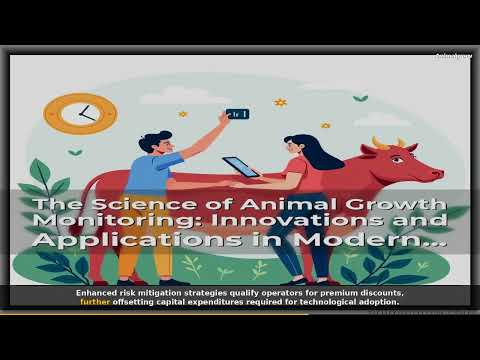
Expert producers focus on these controllable variables to create conditions where animals can express their genetic growth potential:
- Thermal Comfort: Each species has a thermoneutral zone where energy is directed toward growth rather than thermoregulation. Heat stress in cattle and poultry, for example, suppresses feed intake and slows weight gain significantly.
- Ventilation and Air Quality: Ammonia buildup from poor barn ventilation damages respiratory tissues and increases susceptibility to disease. Proper airflow design is a non-negotiable element of modern animal care and management.
- Stocking Density: Overcrowding triggers competition for feed, increases aggression, and elevates cortisol levels — all of which impair growth performance.
- Bedding and Flooring: Comfortable resting surfaces reduce lameness, foot injuries, and stress-related behaviors that divert energy from growth.
Health Monitoring and Disease Prevention
Proactive animal health management is far more cost-effective than reactive treatment. A robust disease prevention program protects growth trajectories and reduces mortality rates, making it an indispensable component of any animal growth care and management system.
Preventive Health Protocols
Building a strong health foundation starts with structured protocols that every operation should implement:
- Vaccination Schedules: Core vaccines tailored to regional disease pressures should be administered on strict timelines, with records maintained for every animal.
- Parasite Control Programs: Strategic deworming based on fecal egg counts and seasonal risk periods prevents internal parasites from sabotaging nutrient absorption.
- Regular Body Condition Scoring: Visual and tactile assessment of fat and muscle coverage provides early warning of nutritional imbalances or underlying illness.
- Biosecurity Measures: Quarantine procedures for new arrivals, footbaths, equipment sanitation, and controlled access zones limit pathogen introduction.
- Veterinary Collaboration: Establishing a working relationship with a veterinarian who understands your operation’s goals ensures that health decisions are data-driven and timely.
One of the most underutilized tools in animal development care is the daily health observation routine. Spending just ten to fifteen minutes per barn watching for changes in appetite, behavior, posture, and manure consistency allows producers to catch problems before they become costly outbreaks. Early detection is the difference between a minor intervention and a production disaster.
Best Practices for Livestock Growth Management

Translating knowledge into daily action is what separates good managers from great ones. Here are expert recommendations that consistently deliver results across diverse livestock operations:
- Record Keeping: Detailed logs of feed intake, weight gain, health events, and treatments create a data foundation for continuous improvement and accountability.
- Genetic Selection: Choosing breeding stock with proven growth genetics accelerates flock and herd improvement over successive generations.
- Consistent Routines: Animals thrive on predictability. Regular feeding times, handling procedures, and cleaning schedules reduce stress and promote steady growth.
- Water Quality Testing: Periodic testing of water sources for pH, mineral content, and contaminants ensures that this critical nutrient source supports rather than hinders growth.
- Gradual Feed Transitions: Any change in diet should be implemented over seven to fourteen days to allow rumen microbiota or digestive enzymes to adapt and prevent growth check.
Common Mistakes That Undermine Growth Performance
Even experienced managers can fall into patterns that silently erode production. Avoid these pitfalls in your animal growth management program:
| Mistake | Why It Hurts Growth | Corrective Action |
| Sudden feed changes | Disrupts gut microbiome and reduces intake | Transition gradually over 7-14 days |
| Ignoring body condition | Misses early signs of deficiency or disease | Score animals weekly and adjust rations |
| Overcrowding feeders | Dominant animals monopolize feed access | Increase feeder space and use split groups |
| Skipping vaccination records | Creates gaps in immunity and compliance | Use digital tracking systems for reminders |
Conclusion
Animal growth care and management is both a science and an art. It demands attention to nutritional precision, environmental comfort, preventive health, and daily operational discipline. Producers who invest in understanding these interconnected systems — from neonatal care through finishing — consistently outperform those who rely on reactive approaches. The strategies outlined in this article provide a solid framework for beginners while offering actionable depth for intermediate and advanced managers. By committing to continuous learning and data-driven decision-making, every livestock operation can unlock healthier animals, better productivity, and long-term sustainability.
Frequently Asked Questions
What is the most important factor in animal growth care and management?
Nutrition consistently ranks as the most critical factor, but it must work in harmony with environmental management and preventive health. An optimally fed animal in a stressful or diseased environment will underperform. Integrated animal husbandry growth programs that balance all three pillars deliver the best long-term results.
How often should I evaluate animal body condition scores?
Weekly body condition scoring is recommended for most production systems. Daily visual checks complement this, but formal scoring every seven days provides enough data to detect trends in condition change and adjust feeding strategies before problems escalate.
What role does water quality play in livestock growth performance?
Water is the most consumed nutrient and directly affects feed intake, digestion, and metabolic efficiency. Poor water quality — high in minerals, bacteria, or contaminants — can suppress growth rates by up to 10% and should be tested at least quarterly in any livestock operation focused on growth performance optimization.
Can environmental enrichment improve animal growth rates?
Yes. Environmental enrichment reduces stress-related behaviors and cortisol levels, which in turn allows animals to redirect energy toward growth rather than coping mechanisms. Simple measures like providing resting space, varied substrates, and social contact significantly enhance animal development care outcomes.
What is the best approach to transitioning animals between feed phases?
Gradual transition is the gold standard in animal growth management. Mix increasing proportions of the new feed with the current diet over seven to fourteen days. This allows the rumen or digestive system to adapt its microbial population, preventing digestive upset and maintaining consistent feed intake during the changeover.