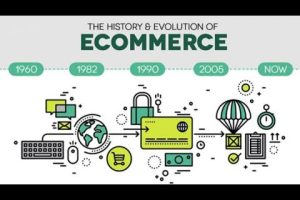
Digital ecommerce has fundamentally transformed the way businesses connect with customers, sell products, and generate revenue in an increasingly connected world. What was once a niche concept confined to early internet marketplaces has evolved into a sprawling global ecosystem worth trillions of dollars. Whether you are a small business owner launching your first online store or a seasoned entrepreneur scaling a multichannel brand, understanding the mechanics of digital ecommerce is no longer optional—it is essential for survival. This guide dives deep into the components, strategies, platforms, and future trends that define digital commerce today, offering practical insights for every stage of your ecommerce journey.
What Digital Ecommerce Really Means
At its core, digital ecommerce refers to the buying and selling of goods and services through digital channels. This encompasses everything from a simple Shopify storefront to complex B2B wholesale portals powered by enterprise-grade digital commerce solutions. Unlike traditional brick-and-mortar retail, digital ecommerce removes geographical barriers, enabling businesses to reach global audiences 24 hours a day. The term “digital ecommerce” also extends beyond simple transactions. It includes the entire customer journey—product discovery, browsing, comparison shopping, payment processing, order fulfillment, post-purchase support, and brand loyalty building. Understanding this full lifecycle is critical for anyone serious about building a profitable online business.
The rise of mobile commerce, social commerce, and subscription-based models has further expanded what digital ecommerce means in practice. Today, a consumer might discover a product through an Instagram reel, research it on Google, compare prices on Amazon, and complete the purchase using Apple Pay—all within a single day. This fluid, interconnected experience is what separates thriving digital retailers from those struggling to stay relevant.

Core Components of a Successful Digital Ecommerce Operation
Building a high-performing ecommerce business requires integrating several critical components. Each layer plays a specific role in delivering a seamless customer experience and maintaining operational efficiency.
Online Storefront and User Experience
Your digital storefront is the face of your brand. It must be visually compelling, fast-loading, and intuitive to navigate. Key elements include:
- Responsive design that works flawlessly across desktop, tablet, and mobile devices
- Clear product imagery, descriptions, and customer reviews
- Streamlined checkout with minimal cart abandonment triggers
- Search functionality with intelligent filters and autocomplete suggestions
Payment Processing and Security
Secure online payment processing is the backbone of any trustworthy ecommerce operation. Customers need to feel confident that their financial data is protected. Implementing SSL certificates, complying with PCI DSS standards, and offering multiple payment options—including digital wallets, buy-now-pay-later services, and cryptocurrency—can significantly boost conversion rates.
Inventory Management and Order Fulfillment
Effective inventory management ensures that popular products remain in stock while slow-moving items do not tie up capital. Modern digital ecommerce operations leverage real-time inventory tracking, automated reorder alerts, and integrations with third-party logistics providers to keep fulfillment smooth and cost-effective.
Leading Digital Ecommerce Platforms Compared
Choosing the right platform is one of the most consequential decisions you will make. Each platform offers different strengths depending on your business model, technical expertise, and growth ambitions. The table below compares some of the most popular digital commerce solutions available today.
| Platform | Best For | Pricing Model | Key Strength |
| Shopify | Small to mid-sized brands | Monthly subscription | Ease of use and app ecosystem |
| Magento (Adobe Commerce) | Large enterprises and complex catalogs | Open-source or licensed | Customization and scalability |
| WooCommerce | WordPress users and budget-conscious sellers | Free plugin; hosting costs | Flexibility and low entry cost |
| BigCommerce | Growing mid-market businesses | Monthly subscription | Built-in features and no transaction fees |
| Squarespace Commerce | Creatives and visual-first brands | Monthly subscription | Beautiful design templates |

For businesses that need maximum flexibility, headless commerce architectures are gaining rapid adoption. In a headless setup, the frontend presentation layer is completely decoupled from the backend engine, allowing developers to build custom user experiences while still leveraging powerful ecommerce logic. This approach is particularly popular among brands pursuing omnichannel commerce strategies.
Strategies That Drive Growth in Digital Commerce
Having the right platform is only part of the equation. Sustainable growth in digital ecommerce demands a combination of data-driven strategies, customer-centric thinking, and continuous optimization.
1. Prioritize SEO and Content Marketing
Organic search remains one of the highest-value acquisition channels for ecommerce businesses. Creating detailed product pages with schema markup, publishing buying guides, and building a blog around your niche can dramatically increase your visibility. Semantic SEO plays a growing role here—search engines now understand context and intent, so naturally incorporating related keywords into your content outperforms keyword-stuffed pages.
2. Leverage Email Marketing and Automation

Email continues to deliver the strongest return on investment among digital marketing channels. Building segmented email lists and automating flows for abandoned carts, post-purchase follow-ups, and re-engagement campaigns keeps your brand top of mind and drives repeat purchases.
3. Invest in Social Commerce
Platforms like Instagram, TikTok, and Pinterest now offer native shopping features that let users purchase directly from social feeds. Integrating social commerce into your overall ecommerce strategy taps into high-intent audiences in their most engaged moments.
4. Use Data Analytics to Optimize Everything
Tools like Google Analytics, Hotjar, and platform-native dashboards provide deep insights into customer behavior. Track metrics such as average order value, customer lifetime value, conversion rate by device, and traffic source performance. These data points should inform every decision—from product assortment to pricing strategy.
5. Build a Loyalty and Retention Engine
Acquiring a new customer costs five to seven times more than retaining an existing one. Implementing tiered loyalty programs, personalized recommendations, and exclusive member perks can dramatically increase customer lifetime value and reduce churn.
Common Challenges in Digital Ecommerce and Proven Solutions
The path to ecommerce success is rarely smooth. Here are some of the most common obstacles digital retailers face and actionable ways to address them.
- High cart abandonment rates — Simplify the checkout process, offer guest checkout, display trust badges, and send abandoned cart recovery emails within the first hour.
- Shipping cost pressure — Negotiate volume discounts with carriers, offer free shipping thresholds, or explore local fulfillment centers to reduce delivery times and costs.
- Inventory mismanagement — Implement a centralized inventory management system that syncs across all sales channels in real time to prevent overselling and stockouts.
- Cybersecurity threats — Regularly update plugins and platform software, use two-factor authentication for admin accounts, and invest in a reputable web application firewall.
- Customer acquisition cost inflation — Diversify your traffic sources, invest in organic content, and leverage referral programs to reduce dependency on paid advertising.
The Future of Digital Ecommerce
The digital ecommerce landscape is evolving at a breathtaking pace. Artificial intelligence is already reshaping product recommendations, customer service through chatbots, and demand forecasting. Voice commerce—where customers use smart speakers and voice assistants to make purchases—is projected to grow significantly over the next five years. Augmented reality is also gaining traction, allowing shoppers to visualize products in their own environment before buying, which reduces return rates and increases confidence in online purchases.
Sustainability is another powerful force shaping the future. Consumers increasingly expect transparent supply chains, eco-friendly packaging, and carbon-neutral shipping options. Brands that embed these values into their digital ecommerce operations will earn deeper loyalty and stand out in crowded markets. Finally, the convergence of social media and shopping—often called social commerce—is blurring the lines between discovery and purchase in ways that will redefine the entire retail experience.
Expert Tips for Scaling Your Ecommerce Business
Based on years of observing what works in digital commerce, here are actionable recommendations from experienced practitioners:
- Start with a single, well-optimized channel before expanding to multiple platforms
- Invest in high-quality product photography and video—these assets drive engagement and trust
- Test pricing strategies regularly using A/B tools to find your optimal price points
- Build relationships with suppliers early and negotiate favorable terms for long-term stability
- Document your processes and systems so your business can scale without depending on one person
- Listen to customer feedback obsessively—it is your most valuable and free source of product and experience insights
Frequently Asked Questions
What is digital ecommerce and how is it different from traditional ecommerce?
Digital ecommerce refers to the complete ecosystem of buying and selling goods and services through digital channels, encompassing the full customer journey from discovery to post-purchase support. While traditional ecommerce often refers narrowly to online transactions, digital ecommerce includes the broader infrastructure—platforms, payment gateways, CRM systems, analytics, and omnichannel integrations—that powers modern online retail.
Which digital ecommerce platform is best for beginners?
Shopify and WooCommerce are widely regarded as the best platforms for beginners. Shopify offers a fully hosted, turnkey solution with an intuitive interface and extensive app store, making it ideal for those with limited technical experience. WooCommerce, a free plugin for WordPress, provides more flexibility at a lower entry cost but requires some setup and hosting management.
How can I reduce cart abandonment in my online store?
To reduce cart abandonment, simplify your checkout process by offering guest checkout, minimize form fields, display clear shipping costs upfront, add trust signals like security badges and customer reviews, and implement automated abandoned cart email sequences triggered within the first hour of abandonment.
What role does SEO play in digital ecommerce success?
SEO is arguably the most sustainable and cost-effective acquisition channel for ecommerce businesses. Optimizing product pages with relevant keywords, implementing structured data markup, building high-quality backlinks, and creating valuable content around your niche all contribute to higher organic rankings, increased visibility, and a steady stream of free traffic over time.
Is headless commerce worth the investment for small businesses?
Headless commerce is typically better suited for mid-sized to large businesses with dedicated development resources. For small businesses just starting out, a traditional integrated platform like Shopify or BigCommerce provides faster time-to-market and easier management. However, as your business grows and you require highly customized experiences across multiple channels, a headless architecture becomes a compelling option.
How important is mobile optimization for digital ecommerce?
Mobile optimization is absolutely critical. Over 60 percent of ecommerce traffic now comes from mobile devices, and a poor mobile experience directly translates to lost sales. Responsive design, fast page load speeds, simplified navigation, and mobile-friendly checkout are not optional—they are foundational requirements for any serious digital ecommerce operation.
Final Thoughts on Building a Thriving Digital Ecommerce Business
Digital ecommerce is not just a trend—it is the defining commercial paradigm of the 21st century. Success in this space demands a blend of strategic thinking, technical competence, and relentless customer focus. From selecting the right digital commerce platform to implementing data-driven growth strategies, every decision you make should serve one ultimate goal: delivering exceptional value to your customers while building a resilient, scalable business. The brands that thrive will be those that embrace change, invest in their digital infrastructure, and never stop learning. Start where you are, leverage the tools and insights available today, and keep evolving as the digital landscape shifts. Your ecommerce journey is only beginning, and the opportunities ahead are immense.