


Business card design trends in 2025 reflect a fascinating convergence of sustainability, technology, and minimalist aesthetics that are reshaping how professionals make their first impression. As networking becomes increasingly hybrid—blending physical encounters with digital connections—your business card has evolved far beyond a simple exchange of contact information. It is now a tactile brand experience, a conversation starter, and in some cases, a functional digital gateway. Whether you are a seasoned designer or a small business owner preparing for your next pitch, understanding these emerging business card design trends 2025 is essential for staying relevant and memorable in an increasingly competitive marketplace.
Why Business Card Design Trends Matter More Than Ever in 2025
The digital age has not rendered business cards obsolete—it has transformed them. With professionals attending both in-person conferences and virtual meetings, a well-designed card bridges the gap between physical presence and digital accessibility. First impressions still form within seconds, and studies consistently show that tangible materials leave a stronger cognitive imprint than digital alternatives alone. The latest business card design trends 2025 prioritize intentionality—every texture, color choice, and structural element should communicate brand values clearly and cohesively.
Companies investing in thoughtful card design report higher recall rates among potential clients and partners. In a world saturated with generic templates and mass-produced stationery, standing out requires deliberate creativity. This is exactly where 2025 design movements shine, pushing boundaries while maintaining professionalism.
Top Business Card Design Trends 2025
1. Sustainable and Eco-Conscious Materials
The single most dominant shift in business card design trends 2025 is the move toward environmentally responsible materials. Recycled kraft paper, seed-embedded cards, bamboo-based stock, and even cards made from agricultural waste are gaining serious traction. These materials communicate a brand’s commitment to sustainability without sacrificing visual appeal.
Here are the most popular eco-friendly business card materials gaining popularity this year:
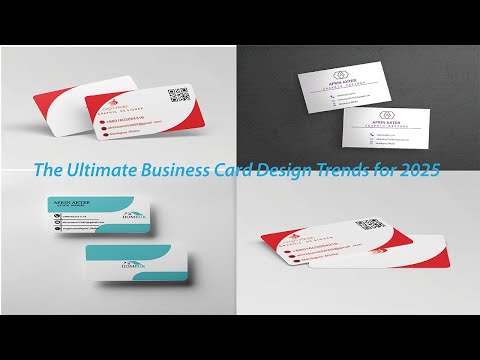
- Recycled Cotton Paper: Offers a luxurious, soft texture with a visible fiber grain that feels premium and organic.
- Seed Paper: Plantable cards embedded with wildflower or herb seeds that can be grown after use—a powerful brand statement.
- Bamboo Fiber Stock: Lightweight, durable, and naturally antimicrobial with a distinctive pale green hue.
- Stone Paper (Calcium Carbonate):strong> Made from limestone waste, it is waterproof, tear-resistant, and requires no water or bleach in production.
- Reclaimed Wood Veneer: Ultra-thin wooden cards that feel warm and natural, ideal for craft and artisanal brands.
These materials are not just trendy—they align with consumer expectations. A 2024 survey by the Sustainable Packaging Coalition found that 73% of professionals prefer receiving business cards from companies that demonstrate visible environmental responsibility.
2. Minimalist Typography with Maximum Impact
Clean, bold typography continues to dominate minimalist business card design trends 2025. Designers are moving away from cluttered layouts in favor of generous white space paired with oversized typefaces that make contact information instantly readable. The philosophy is simple: let the text breathe and let typography do the heavy lifting.
Key typographic approaches include:
- Variable Fonts: Single font families that adjust weight, width, and slant dynamically, allowing unique visual expressions on a single card.
- Mono-Spaced Typefaces: Clean, tech-forward fonts that evoke precision and modernity, popular among SaaS startups and digital agencies.
- Handwritten Script Accents: Subtle calligraphic elements paired with sans-serif body text to add warmth and human touch.
3. Dual-Sided Interactive Design
Two-sided business cards are experiencing a creative renaissance in 2025. The front serves as a bold brand statement—often featuring a striking logo treatment or abstract pattern—while the back delivers essential contact details in a clean, structured layout. This dual approach allows designers to balance creativity with functionality.
4. Augmented Reality and NFC Integration
Perhaps the most futuristic of all business card design trends 2025 is the integration of Near Field Communication (NFC) chips and augmented reality triggers. NFC-enabled business cards allow recipients to tap their phone against the card and instantly save contact details, visit a portfolio, or watch a brand video. AR cards use printed markers that, when scanned, unlock animated 3D content or interactive experiences.
While NFC cards cost more than traditional printed cards—typically ranging from $4 to $12 per unit depending on the chip and printing method—they offer unmatched convenience and a “wow factor” that traditional cards simply cannot match.
Comparing Traditional vs. Trend-Driven Business Card Approaches
| Feature | Traditional Cards | 2025 Trend Cards |
| Material | Standard 350gsm coated cardstock | Recycled paper, bamboo, stone paper, wood veneer |
| Technology | None | NFC chips, AR triggers, QR codes |
| Design Style | Logo-heavy, information-dense | Minimalist, typographic, white space focused |
| Cost per Unit | $0.10–$0.50 | $0.50–$15 depending on features |
| Sustainability | Often petroleum-based inks, virgin paper | Eco-friendly inks, recycled or plantable materials |
| Digital Integration | None or basic QR code | Dynamic NFC links, AR experiences, vCard export |
| Memorability Factor | Low to moderate | High—tactile and interactive elements drive recall |
Color Palette and Visual Trends for 2025
Muted Earth Tones and Warm Neutrals
The color palette of business card design trends 2025 leans heavily toward earthy, grounded tones—terracotta, sage green, warm sand, deep clay, and soft charcoal. These colors evoke trust, authenticity, and calm professionalism. Bright neon and flashy metallics are making way for more sophisticated, understated palettes that work beautifully across both print and digital contexts.
Gradients and Duotone Effects
Subtle gradient overlays and duotone color treatments remain popular, adding depth and dimension without overwhelming the viewer. These techniques pair exceptionally well with minimalist layouts, creating a sense of movement and modernity on an otherwise simple card.
Shape and Structural Innovation
Die-cut business cards are no longer a novelty—they are becoming a standard expectation among creative professionals. Rounded corners, horizontal orientations, perforated tear-off sections, and even fold-out cards with built-in QR codes are reshaping the physical business card landscape.
When selecting a unique shape, always consider practical factors:
- Will the card fit comfortably in a standard wallet or cardholder?
- Is the shape intuitive enough that recipients understand how to read it?
- Does the unusual form factor support your brand identity or feel gimmicky?
Professional printers and design studios increasingly recommend balancing novelty with functionality. A card that cannot be stored or filed away loses its practical value, no matter how visually striking.
Expert Tips for Implementing 2025 Business Card Trends
Transitioning your business card strategy to align with current business card design trends 2025 does not require a complete brand overhaul. Start with small, intentional changes:
- Upgrade your paper stock first. Switching from standard coated paper to a textured recycled option immediately signals quality and intentionality.
- Simplify your information hierarchy. Limit yourself to name, title, company, phone, email, and one digital link. Less clutter means more impact.
- Test NFC or QR integration. Even adding a well-placed QR code linking to your digital portfolio or LinkedIn profile bridges physical and digital networking seamlessly.
- Order a small batch first. Before committing to a large print run, order samples to evaluate color accuracy, material feel, and structural integrity.
- Invest in professional design. Even the trendiest materials and techniques fail if the layout lacks visual coherence. A skilled designer ensures every element serves a purpose.
Conclusion
The business card design trends 2025 landscape is defined by purposeful sustainability, digital-physical hybrid functionality, and refined minimalist aesthetics. Whether you choose to embrace NFC technology, switch to plantable seed paper, or simply refine your typographic approach, the goal remains the same: create a tangible touchpoint that authentically represents your brand and leaves a lasting impression. The most effective business cards in 2025 are not the loudest or the flashiest—they are the ones that feel intentional, memorable, and aligned with the values of the people who receive them.

Frequently Asked Questions

1. What is the most popular business card material in 2025?
Recycled kraft paper and bamboo fiber stock are leading the pack in 2025 due to their eco-friendly credentials, distinctive textures, and growing consumer demand for sustainable business practices. These materials are widely available through most commercial printing services and offer excellent print quality.
2. Are NFC business cards worth the investment for small businesses?
Yes, for businesses that regularly attend networking events, conferences, or client meetings, NFC business cards offer a significant advantage. They eliminate the friction of manually saving contact details and allow you to update your digital profile without reprinting physical cards. The cost per unit has also decreased significantly compared to just a few years ago.
3. Can I design a trend-aligned business card myself without professional help?
Absolutely. Many online design tools now include templates specifically optimized for current trends such as minimalist typography, duotone effects, and sustainable material considerations. However, for unconventional formats like die-cut shapes or NFC integration, working with a professional ensures technical feasibility and print quality.
4. How do I choose the right color palette for my 2025 business card?
Start with your brand identity and target audience. Muted earth tones and warm neutrals work well for wellness, sustainability, and lifestyle brands. Cool grays and deep blues suit tech and financial sectors. Always test your chosen palette for readability—your contact information must remain crystal clear against your background choice.
5. Will QR codes on business cards become outdated in 2025?
While NFC technology is gaining momentum, QR codes remain highly relevant in 2025 because they require no special hardware—just a smartphone camera. The key is placing the QR code thoughtfully within the design rather than treating it as an afterthought. Many designers now integrate QR codes as subtle visual elements rather than obvious black-and-white squares.