A budget list is far more than a simple spreadsheet—it is the foundation of financial clarity and intentional spending. Whether you are a college student trying to stretch a paycheck, a young professional saving for a home, or a seasoned entrepreneur managing multiple revenue streams, having a well-structured budget list transforms chaotic finances into a roadmap you can actually follow. The truth is, most people who struggle with money do not lack income; they lack visibility. A comprehensive budget list gives you that visibility, helping you see exactly where every dollar goes and where it should go instead. In this guide, we will walk you through everything you need to know about creating, optimizing, and maintaining a budget list that actually works for your life.
What Is a Budget List and Why Does It Matter?
At its core, a budget list is a written or digital record that itemizes your sources of income alongside every expected expense over a defined period—typically monthly. Unlike a vague mental plan, a budget list forces specificity. It assigns every dollar a job, whether that job is paying rent, funding groceries, building an emergency fund, or financing a vacation. The importance of a budget list cannot be overstated. Research consistently shows that people who actively maintain a budget have lower debt levels, higher savings rates, and significantly less financial stress. A budget list is not a restriction; it is a tool of empowerment that puts you in control of your money rather than letting your money control you.
How to Create a Budget List That Actually Works
Building a functional budget list involves more than writing down numbers. It requires honest self-assessment, realistic planning, and ongoing adjustment. Here is a detailed breakdown of the process.
Step 1: Identify All Your Income Sources
Before you can plan expenses, you need a clear picture of what is coming in. List every source of income, including:
- Primary salary or wages (after taxes)
- Side hustle or freelance earnings
- Investment dividends or passive income
- Government benefits or allowances
- Rental income or royalties
Use your net income—the amount that actually hits your bank account—rather than gross figures. This gives you a realistic starting point for your budget list.
Step 2: Track and Record Every Expense
The next phase of building your budget list is capturing every expense. Many people are shocked to discover how much they spend on things they do not even remember purchasing. For at least one full month, track every single transaction. Use bank statements, credit card records, and receipt logs. Separate your spending into two broad categories: fixed expenses (rent, insurance, loan payments) and variable expenses (dining out, entertainment, groceries).

Step 3: Categorize and Prioritize Your Spending
Once you have recorded your expenses, organize them into clear categories on your budget list:
- Housing — rent or mortgage, property taxes, utilities
- Transportation — gas, public transit, car payments, insurance
- Food — groceries and dining out
- Debt Payments — credit cards, student loans, personal loans
- Savings and Investments — emergency fund, retirement accounts
- Healthcare — insurance premiums, medications, copays
- Personal and Entertainment — subscriptions, hobbies, clothing
- Miscellaneous — unexpected costs, gifts, repairs

Budget List Templates: Comparing Popular Approaches
Not every budget list strategy works for every person. Different financial situations call for different methods. Below is a comparison of three popular budgeting frameworks to help you choose the right one for your budget list.
| Method | How It Works | Best For | Complexity |
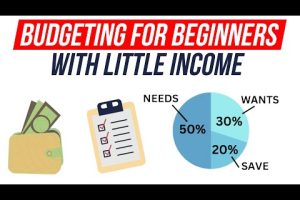
| 50/30/20 Rule | 50% needs, 30% wants, 20% savings | Budgeting beginners | Low |
| Zero-Based Budgeting | Every dollar is assigned a purpose until income minus expenses equals zero | Detail-oriented planners | Medium |
| Envelope System | Cash allocated into physical or digital envelopes per category | Overspenders and cash users | Medium-High |
The 50/30/20 rule is the simplest entry point. You allocate 50% of your after-tax income to needs, 30% to wants, and 20% to savings and debt repayment. Zero-based budgeting takes more effort but offers maximum control because every single dollar on your budget list has a designated purpose. The envelope system is excellent for people who tend to overspend, as it creates a hard limit for each spending category.
Common Mistakes People Make When Creating a Budget List
Even the best intentions can lead to errors when building a budget list. Here are the most common pitfalls to avoid:
- Forgetting irregular expenses. Annual subscriptions, car registration, and holiday gifts can derail a budget if they are not factored in monthly.
- Setting unrealistic limits. Cutting your grocery budget to an impossibly low number will only lead to frustration and abandonment of the plan.
- Ignoring small purchases. Daily coffee runs and impulse online buys add up fast. A good budget list accounts for these micro-expenses.
- Not building in flexibility. Life is unpredictable. Your budget list should have a buffer category for unexpected costs.
- Failing to review regularly. A budget list is a living document. Reviewing it weekly or biweekly ensures it stays aligned with your reality.

Advanced Budget List Strategies for Long-Term Financial Growth
Once you have mastered the basics of maintaining a budget list, you can layer on advanced techniques that accelerate your financial progress.
Pay Yourself First
Before paying any bills or covering discretionary expenses, allocate a set percentage of your income directly to savings and investments. Treat this contribution as a non-negotiable line item on your budget list. Over time, this habit builds significant wealth through compound growth.
Use sinking funds for large goals
A sinking fund is money set aside gradually for a specific future expense, such as a car purchase, vacation, or home repair. Instead of facing a large, stressful bill all at once, you spread the cost across months on your budget list. This approach smooths out your cash flow and reduces financial anxiety.
Integrate debt payoff strategies
If you carry debt, your budget list should reflect a deliberate payoff plan. The avalanche method targets high-interest debt first to save money on interest over time. The snowball method tackles the smallest balances first to build psychological momentum. Either way, listing your debt payoff as a dedicated category keeps you accountable.
Tools and Apps to Build and Manage a Budget List
Technology has made creating and maintaining a budget list easier than ever. Here are some highly regarded options:
- YNAB (You Need A Budget) — Built around zero-based budgeting principles, YNAB is ideal for people who want granular control over every dollar.
- Mint — A free app that automatically categorizes transactions and provides visual insights into your spending patterns.
- Google Sheets or Excel — For those who prefer a hands-on, customizable approach, building a budget list template in a spreadsheet offers total flexibility.
- EveryDollar — A simple, user-friendly tool that supports both free and premium versions with features like recurring expense tracking.
Choose a tool that matches your comfort level. The best app for your budget list is the one you will actually use consistently.
Budget List FAQs
What is the best format for a budget list?
The best format depends on your personality and financial complexity. A simple spreadsheet works well for most beginners, while apps like YNAB or Mint offer automation and real-time tracking for intermediate and advanced users. The key is choosing a format you will revisit regularly.
How often should I update my budget list?
You should review and adjust your budget list at least once a month. However, checking it weekly helps you catch overspending early and make real-time corrections. Life changes—such as a new job, a raise, or an unexpected expense—should also trigger an immediate review of your budget list.
Can a budget list help me get out of debt?
Absolutely. A well-constructed budget list identifies areas where you can cut spending and redirect those funds toward debt repayment. By treating debt payoff as a fixed line item rather than an afterthought, you create a structured path to becoming debt-free.
What should I include in a monthly budget list?
A complete monthly budget list should include all income sources, fixed expenses (rent, insurance, loan payments), variable expenses (groceries, utilities, entertainment), savings contributions, debt payments, and a miscellaneous buffer for unexpected costs.
Is a budget list only for people with low income?
Not at all. A budget list is valuable for every income level. High earners often struggle with lifestyle inflation, and a budget list provides the accountability needed to ensure that increased income translates into increased savings and wealth-building rather than increased spending.
Final Thoughts on Building Your Budget List
A budget list is one of the most powerful personal finance tools available, and yet it remains underused by millions of people. The beauty of a budget list lies in its simplicity and its adaptability. It does not require advanced financial knowledge or expensive software—just the willingness to look honestly at your money and make deliberate choices about how it is spent. Start small, stay consistent, and remember that your first budget list does not have to be perfect. It just has to be a starting point. As you refine it over time, you will develop a deeper relationship with your finances, one that brings confidence, reduces stress, and moves you closer to the life you want to build. Take that first step today—write down your income, list your expenses, and watch how clarity replaces confusion in your financial life.