Budgeting for dummies doesn’t have to mean “dumb” — it means starting from the ground up with clarity, simplicity, and a plan that actually works. If you’ve ever stared at your bank balance wondering where all your money went, you’re not alone. Millions of people struggle with managing their finances every single month. The good news? Learning how to budget isn’t some elite financial skill reserved for accountants and Wall Street experts. It’s a life skill anyone can pick up, and this guide will walk you through every step — from understanding the basics to implementing advanced strategies that transform your financial health.
Why Budgeting Feels Overwhelming (But Doesn’t Have To Be)
The word “budget” often triggers anxiety. People associate it with restriction, deprivation, and endless spreadsheets. In reality, budgeting is simply a roadmap for your money — it tells every dollar where to go instead of wondering where it went. The biggest mistake beginners make is overcomplicating the process. You don’t need finance degrees or specialized software to start. You need awareness, a simple framework, and the willingness to review your spending habits honestly.
Think of it this way: if you’re driving cross-country without a GPS, you might eventually get there, but you’ll waste time, fuel, and energy. A budget is your financial GPS. It doesn’t eliminate problems, but it gives you direction and control.
Understanding the Basics of a Personal Budget
Income vs. Expenses: The Core Equation
At its heart, personal budgeting comes down to one fundamental equation: Income minus Expenses equals what you keep (or lose). If your expenses exceed your income, you’re accumulating debt. If your income exceeds your expenses, you have surplus cash to save, invest, or enjoy. Understanding this balance is the foundation of financial literacy and the first step toward meaningful money management.
Your income includes everything — salary, freelance earnings, side hustle revenue, passive income, and even irregular sources like bonuses or tax refunds. Your expenses fall into two categories: fixed expenses (rent, loan payments, insurance) and variable expenses (groceries, entertainment, dining out). Tracking both accurately is essential for creating a realistic budget.
Step-by-Step Budgeting Methods for Beginners
The 50/30/20 Rule
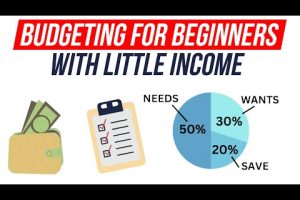
This is arguably the most popular budgeting framework for beginners. It divides your after-tax income into three simple buckets:
- 50% Needs: Housing, utilities, groceries, transportation, insurance, and minimum debt payments.
- 30% Wants: Dining out, subscriptions, hobbies, shopping, and entertainment.
- 20% Savings and Debt Repayment: Emergency funds, retirement accounts, extra debt payments, and investments.
The beauty of the 50/30/20 rule is its simplicity. You don’t need to track every single penny. Instead, you allocate broad percentages and focus on staying within those boundaries. It’s an excellent starting point for anyone who feels paralyzed by complex budgeting systems.
The Zero-Based Budgeting Method
Zero-based budgeting takes a more meticulous approach. Every single dollar of income is assigned a job — whether that’s paying rent, funding groceries, or going into savings — until your income minus all expenses equals zero. This method gives you complete visibility into where every cent goes and eliminates the “mystery spending” that derails so many budgets.

It’s more time-consuming than the 50/30/20 rule, but it offers exceptional control. Many people use zero-based budgeting when they’re trying to pay off significant debt or save for a major goal like a home purchase.
The Envelope System
The envelope system is a tactile, hands-on approach that works beautifully for people who overspend with cards. You withdraw cash at the beginning of the month and divide it into physical envelopes labeled by category — groceries, gas, entertainment, and so on. Once an envelope is empty, you stop spending in that category until the next month. This creates a natural spending limit without needing apps or software.
Comparison Table: Which Budgeting Method Fits You?

| Method | Best For | Complexity | Tracking Required |
| 50/30/20 Rule | Beginners wanting simplicity | Low | Monthly overview |
| Zero-Based Budget | Detailed planners and debt payers | High | Daily or weekly |
| Envelope System | Cash spenders and visual learners | Medium | Weekly envelope check |
| Pay-Yourself-First | Savings-focused individuals | Low | Monthly automatic transfers |
Common Budgeting Mistakes and How to Avoid Them
Even with the best intentions, budgeting pitfalls can sabotage your efforts. Here are the most common mistakes and practical fixes:
- Not budgeting for irregular expenses: Annual subscriptions, car maintenance, and holiday gifts can blindside you. Set aside a small amount each month into a “miscellaneous” or “sinking funds” category.
- Underestimating daily spending: That daily coffee or impulse convenience store purchase adds up fast. Track small purchases diligently.
- Setting unrealistic goals: If you currently spend $800 on groceries and suddenly budget $400, you’ll feel deprived and abandon the plan. Reduce gradually.
- Forgetting to budget for fun: A budget without any enjoyment is unsustainable. Allocate money for things you love — it keeps you motivated.
- Not reviewing and adjusting: A budget isn’t set in stone. Review it weekly, adjust for surprises, and evolve it as your income or goals change.
Tools and Apps That Make Budgeting Effortless
Gone are the days when budgeting meant handwritten ledgers. Today, budgeting apps automate much of the heavy lifting. YNAB (You Need a Budget) follows the zero-based philosophy and is excellent for detail-oriented users. Mint connects to your bank accounts and categorizes transactions automatically. EveryDollar offers a simple, spreadsheet-style interface perfect for beginners. For those who prefer spreadsheets, Google Sheets and Excel templates remain incredibly powerful and customizable tools.
The best tool is the one you’ll actually use consistently. Start simple, build habits, and upgrade to more sophisticated platforms as your financial management skills grow.
Advanced Budgeting Strategies You Can Use Today
Once you’ve mastered the basics, consider leveling up with these techniques:
- Sinking funds: Create separate savings buckets for upcoming expenses like car repairs, vacations, or holiday gifts. Contribute a small amount monthly so big expenses don’t shock your budget.
- Debt avalanche vs. debt snowball: The avalanche method targets the highest-interest debt first (saves the most money). The snowball method targets the smallest balance first (builds psychological momentum). Both are effective for aggressive debt payoff strategies.
- Automated savings transfers: Set up automatic transfers on payday so savings happen before you ever see the money. This removes willpower from the equation entirely.
- Monthly budget reviews: Schedule a 30-minute “money date” with yourself each month. Review what went right, what went wrong, and adjust your next month’s plan accordingly.
How to Stick to Your Budget Long-Term
The most carefully crafted budget fails if you can’t maintain it. Sustainability is the key differentiator between people who budget successfully and those who abandon the effort after a few weeks. Start by building your budget around your actual lifestyle, not an idealized version of it. Celebrate small wins — paid off a credit card, stayed under budget on groceries, hit your savings goal — because positive reinforcement builds lasting habits.
Accountability also helps enormously. Share your goals with a trusted friend, join a budgeting community online, or partner up with someone who has similar financial goals. Having someone to check in with transforms budgeting from a solitary chore into a shared mission.
Conclusion
Budgeting for beginners isn’t about perfection — it’s about progress. Every time you review your spending, every time you choose to allocate money intentionally instead of spending reactively, you’re building a stronger financial foundation. Start with a simple method like the 50/30/20 rule, use tools that fit your lifestyle, avoid the common traps, and give yourself grace as you learn. Your future self will thank you for every small step you take today.
FAQ: Budgeting for Dummies
How do I start budgeting with no experience?
Begin by listing your monthly income and all fixed expenses. Then track your variable spending for 30 days without changing your habits. Use this data to create your first budget using the 50/30/20 rule. The key is starting imperfectly rather than waiting for the “perfect” system.
What is the easiest budgeting method for someone with a variable income?
The pay-yourself-first method works exceptionally well for variable income. Set a minimum budget for essential needs, pay yourself a fixed savings amount first, and then allocate whatever remains toward wants and extras. This prevents overcommitting when income fluctuates month to month.
How often should I review my personal budget?
A weekly check-in of 10–15 minutes is ideal for most people. This keeps you aware of spending trends in real time. A deeper monthly review — where you compare actual spending to your planned budget and adjust categories — ensures your budget stays accurate and relevant.
Can budgeting help me pay off debt faster?
Absolutely. A well-structured budget identifies money you can redirect toward debt repayment. Combine zero-based budgeting with either the debt avalanche or debt snowball strategy to accelerate your payoff timeline significantly.

Is budgeting the same as financial planning?
Budgeting is a core component of financial planning, but they aren’t the same thing. Budgeting focuses on managing day-to-day cash flow, while financial planning takes a broader view — including retirement, investment strategy, insurance, and long-term wealth building. Think of budgeting as the daily engine that powers your larger financial plan.