Launching a business startup is one of the most rewarding yet challenging endeavors a person can pursue in today’s economy. Whether you are a first-time founder with a groundbreaking app idea or a seasoned professional looking to disrupt an existing industry, the journey from concept to a thriving enterprise demands strategy, resilience, and informed decision-making. This guide walks you through every critical stage of the startup process, from idea validation and business planning to funding, launch, and sustainable growth. If you are serious about turning your entrepreneurial vision into a real, revenue-generating business, the insights below will serve as a practical roadmap grounded in real-world startup experience.
What Is a Business Startup and Why Does It Matter
A business startup is a newly formed venture designed to develop and bring a unique product, service, or solution to market. Unlike traditional small businesses that often aim for steady, incremental income, startups typically pursue scalable business models with high growth potential. The startup ecosystem has exploded in recent years, fueled by technological advances, access to capital, and a cultural shift that celebrates innovation and risk-taking.
Understanding the Startup Mindset
Successful founders approach problems with a specific mindset. They see opportunity where others see obstacles. They embrace uncertainty, iterate rapidly, and treat failure as data rather than defeat. Building a startup requires more than just a great idea — it demands execution excellence, customer obsession, and the willingness to pivot when market signals demand it. The most impactful startups solve real pain points for clearly defined audiences, and they do so in ways that existing solutions cannot match.
Key Steps to Launch a Successful Business Startup
The path from idea to operational business follows a structured sequence, though every founder will adapt these steps to their unique situation. Below is a detailed breakdown of the most critical phases.
Validating Your Business Idea
Before investing significant time or money, you must validate that your concept addresses a genuine market need. Skipping validation is the number one reason startups fail within the first two years. Here is how to do it effectively:
- Conduct in-depth market research using industry reports, competitor analysis, and customer interviews.
- Build a minimum viable product (MVP) to test core functionality with real users at minimal cost.
- Gather qualitative and quantitative feedback through surveys, beta testing, and focus groups.
- Analyze demand signals such as pre-orders, waitlist signups, or engagement metrics on a landing page.
- Refine your value proposition based on what you learn before scaling further.

Building a Lean Business Plan
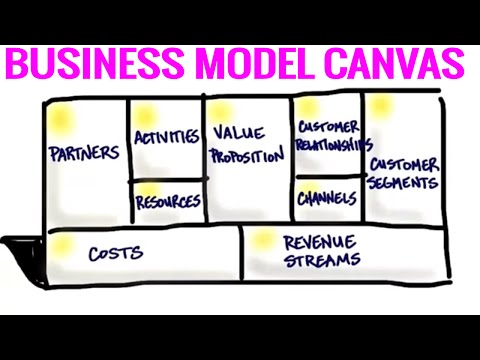
Many aspiring founders get stuck writing lengthy business plans that become outdated almost immediately. A lean business plan is far more effective. It focuses on the essentials: your target customer segment, core revenue streams, key milestones, and competitive advantage. Use frameworks like the Business Model Canvas to map out your startup’s logic on a single page. This keeps your team aligned and gives investors a clear snapshot of your strategy without overwhelming them with unnecessary detail.
- Define your problem statement and the specific audience experiencing it.
- Outline your proposed solution and how it differs from existing alternatives.
- Identify your revenue model, pricing strategy, and customer acquisition channels.
- Set measurable milestones for the first 6, 12, and 24 months.
- Revisit and update the plan quarterly as you gather real market data.
Funding Your Startup: Options That Actually Work
Securing adequate funding is one of the most daunting aspects of starting a business, yet it is absolutely essential for covering initial costs such as product development, marketing, and operational expenses. The right funding strategy depends on your startup stage, industry, and growth ambitions.
Comparing Startup Funding Sources
Below is a comparison of the most common funding avenues available to new entrepreneurs today.
| Funding Source | Best For | Typical Range | Key Advantage |
| Bootstrapping | Early-stage validation | Personal savings | Full ownership and control |
| Angel Investors | Seed-stage startups | $10K – $500K | Mentorship and network access |
| Venture Capital | High-growth startups | $500K – $5M+ | Large capital and strategic guidance |
| Crowdfunding | Consumer-facing products | $1K – $1M | Market validation and pre-sales |
| Small Business Loans | Service-based businesses | $5K – $250K | No equity dilution |
| Startup Incubators/Accelerators | Early-stage scalable startups | $20K – $150K | Structured support and demo-day exposure |
Each option carries trade-offs. Bootstrapping preserves ownership but limits speed. Venture capital provides resources but often comes with pressure to scale aggressively. Choose the path that aligns with your long-term vision and personal risk tolerance.
Common Mistakes New Entrepreneurs Make
Even the most promising startups stumble because of avoidable errors. Being aware of these pitfalls gives you a significant competitive edge. First, many founders underestimate the importance of customer discovery, building products in isolation rather than engaging their target audience early and often. Second, premature scaling is devastating — hiring too aggressively or spending heavily on marketing before achieving product-market fit destroys runway and morale. Third, neglecting legal foundations such as business entity formation, intellectual property protection, and founder agreements creates existential risks down the road. Finally, ignoring cash flow management leads to shutdowns even among startups with strong revenue. Monitor your burn rate religiously and maintain at least six months of operating expenses in reserve.
Scaling Your Startup for Long-Term Growth
Once your startup achieves initial traction, the real challenge begins: scaling sustainably. Growth without operational discipline leads to burnout, quality erosion, and eventual collapse. The most successful companies build systems and processes early that can handle increased demand without requiring proportional increases in effort.
Expert Tips for Sustainable Scaling
- Automate repetitive processes using tools like CRM platforms, accounting software, and project management systems to free up your team for high-value work.
- Hire deliberately — prioritize cultural fit and role-specific expertise over speed of hiring, and always document workflows before onboarding new team members.
- Diversify revenue streams to reduce dependency on a single product, customer segment, or distribution channel.
- Invest in data-driven decision-making by tracking key performance indicators (KPIs) such as customer acquisition cost, lifetime value, and monthly recurring revenue.
- Build strategic partnerships with complementary businesses to access new audiences and share resources without heavy capital expenditure.
Scaling also means knowing when to say no to opportunities that do not align with your core mission. Saying yes to every idea dilutes focus and fragments your team. Maintain strategic clarity by revisiting your mission statement and long-term goals at least once per quarter.
Frequently Asked Questions
What is the first step in starting a business from scratch?
The first step is conducting thorough market research and validating your business idea through customer interviews, competitor analysis, and building a minimum viable product. Skipping validation wastes time and money on assumptions that may not hold true in the real market.
How much money do you actually need to start a business startup?
The required capital varies dramatically by industry and business model. Service-based startups can launch with under $5,000, while technology companies may need $50,000 to $250,000 for development and initial marketing. The key is to estimate your burn rate and plan for at least six months of runway before expecting profitability.
Do you need a business degree to launch a successful startup?
No. While formal education provides valuable frameworks, many of the world’s most successful startups were founded by people without business degrees. What matters far more is domain expertise, relentless execution, adaptability, and a deep understanding of your target customer’s needs and behaviors.
What legal structures are best for a new business startup?
For most startups, forming a Limited Liability Company (LLC) or an S-Corporation provides personal liability protection while offering tax flexibility. Corporations (C-Corp) are preferred by venture-backed startups because they are more attractive to investors, though they come with more complex compliance requirements. Consult with a business attorney to determine the best structure for your specific situation.
How long does it typically take for a startup to become profitable?
Most startups take between 18 months and three years to reach consistent profitability. Some achieve profitability faster through lean operations and direct revenue models, while capital-intensive startups may take longer. The critical factor is managing cash flow carefully and achieving product-market fit before scaling aggressively.
Is it better to start a startup solo or with co-founders?
Co-founder teams often outperform solo founders because they bring complementary skills, share the emotional burden of entrepreneurship, and provide accountability. However, partnerships require strong communication, clearly defined equity splits, and a written operating agreement from day one to prevent conflicts that can derail promising ventures.
Final Thoughts
Starting a business startup is a journey that rewards preparation, persistence, and a willingness to learn continuously from both successes and setbacks. The landscape has never been more accessible for aspiring entrepreneurs — cloud computing, digital marketing, and global connectivity have lowered barriers that once made entrepreneurship impossible for all but the well-connected. By following a disciplined approach to validation, funding, execution, and scaling, you position your startup not just to survive, but to thrive in an increasingly competitive marketplace. The hardest part is taking the first step. Once you do, every lesson learned becomes fuel for your next milestone.