


In today’s hyper-connected world, the phrase “definition of ecommerce” carries more weight than ever before. Ecommerce has fundamentally reshaped how billions of people buy products, access services, and interact with brands on a daily basis. Whether you are a budding entrepreneur exploring online business ideas, a seasoned retailer looking to expand your digital footprint, or simply a curious consumer wondering how this massive ecosystem functions, understanding ecommerce at a granular level is essential. This comprehensive guide goes well beyond surface-level explanations. It dives deep into the meaning, models, components, trends, and strategies that define modern ecommerce in 2024 and beyond.
What Is the Definition of Ecommerce? A Comprehensive Breakdown
At its core, the definition of ecommerce refers to the buying and selling of goods or services through digital channels, primarily the internet. But ecommerce is far more than just an online storefront. It encompasses the entire spectrum of commercial transactions that occur electronically, including product discovery, online payments, digital marketing, supply chain logistics, customer relationship management, and post-purchase support.
The term “ecommerce” is a contraction of “electronic commerce,” and it captures every interaction between businesses, consumers, and systems that facilitates trade over networked platforms. From massive marketplaces like Amazon and Alibaba to niche direct-to-consumer brands selling handcrafted goods from a garage, ecommerce spans every scale and industry vertical imaginable. It also extends beyond physical products to include digital goods like software, subscriptions, online courses, SaaS platforms, and even virtual services delivered remotely.
Importantly, ecommerce is not a single technology or tool. It is an interconnected ecosystem of technologies, strategies, payment gateways, shipping infrastructure, and human decision-making that collectively enables modern trade to happen at scale without the constraints of physical geography.
The Evolution of Ecommerce: A Brief Historical Perspective
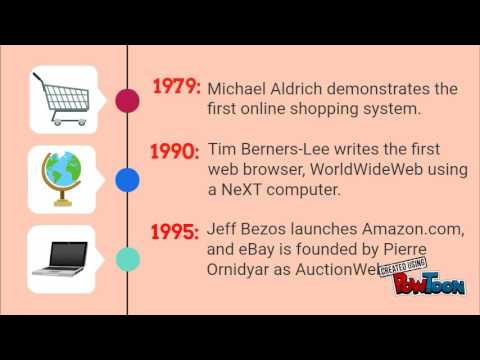
To truly appreciate the meaning of ecommerce in today’s context, it helps to understand how it evolved. Ecommerce did not appear overnight. Its roots trace back to the late 1960s when businesses began using Electronic Data Interchange (EDI) to share documents digitally. However, the concept truly took off with the advent of the World Wide Web in the early 1990s.
Key milestones in ecommerce history include:
- 1994 — The first secure online retail transaction via NetMarket, selling a Sting CD.
- 1995 — Amazon and eBay launch, pioneering large-scale online retail and consumer-to-consumer marketplaces.
- 2000s — The rise of Shopify, Magento, and other ecommerce platforms democratized online store creation.
- 2010s — Mobile commerce, social commerce, and subscription models exploded in popularity.
- 2020s — The COVID-19 pandemic accelerated global ecommerce adoption by years, cementing its role as a primary commerce channel.
Today, global ecommerce sales exceed trillions of dollars annually, and the industry continues to grow at a remarkable pace driven by technological innovation and shifting consumer expectations.
Types of Ecommerce Business Models
One of the most critical aspects of understanding ecommerce is recognizing that it is not a monolithic concept. Multiple business models exist, each serving different audiences, transaction types, and revenue strategies. Let us break down the primary ecommerce models in detail.
Business-to-Consumer (B2C)
Business-to-Consumer ecommerce is the most widely recognized model. It describes transactions where a business sells directly to individual consumers. Examples include online retailers like Walmart.com, fashion brands like Nike selling through their websites, and digital service providers like Netflix or Spotify. B2C ecommerce relies heavily on branding, user experience, digital advertising, and seamless checkout processes to convert browsers into buyers.
Business-to-Business (B2B)
Business-to-Business ecommerce involves transactions between two or more businesses. This model often involves higher transaction values, longer sales cycles, and more complex procurement processes. Companies like Alibaba, ThomasNet, and HubSpot operate primarily in the B2B space. A manufacturer purchasing raw materials from a supplier through an online platform is a classic B2B ecommerce transaction. This segment is actually larger in total value than B2C globally.
Consumer-to-Consumer (C2C)
The Consumer-to-Consumer model enables individuals to sell directly to other consumers, typically facilitated by a third-party platform. eBay, Craigslist, Facebook Marketplace, and Etsy (in part) are prime examples. C2C ecommerce thrives on trust mechanisms like reviews, ratings, and secure payment processing that reduce friction between strangers engaging in trade.
Direct-to-Consumer (D2C)
Direct-to-Consumer is a rapidly growing model where brands sell their products directly to end consumers without intermediaries like wholesalers or retail stores. Brands like Warby Parker, Glossier, and Casper built their entire identities on the D2C model. This approach gives brands full control over pricing, branding, customer data, and the buyer journey.
Business-to-Government (B2G) and Consumer-to-Business (C2B)
Less mainstream but equally important, B2G ecommerce involves businesses selling products or services to government agencies, often through specialized procurement portals. C2B ecommerce flips the traditional model, where consumers offer value to businesses — examples include freelance platforms like Upwork or stock photo websites where photographers sell images to companies.
Key Components of a Successful Ecommerce Business

Understanding what ecommerce means also requires knowing what makes an ecommerce business function effectively. Several foundational components work together to create a profitable online operation.
- User-Friendly Website or App — The digital storefront must be intuitive, fast, mobile-responsive, and visually appealing. Poor user experience is one of the leading causes of cart abandonment.
- Secure Payment Processing — Trust is paramount. Ecommerce businesses need reliable payment gateways (Stripe, PayPal, Square) that support multiple currencies and methods while maintaining PCI compliance.
- Inventory Management — Real-time stock tracking prevents overselling and ensures fulfillment accuracy. Tools like ShipBob and TradeGecko are popular solutions.
- Logistics and Fulfillment — Efficient warehousing, shipping partnerships, and last-mile delivery solutions determine customer satisfaction and repeat purchase rates.
- Digital Marketing — SEO, pay-per-click advertising, email marketing, social media strategies, and content marketing drive traffic and conversions.
- Customer Support — Live chat, comprehensive FAQ sections, easy return policies, and proactive communication build brand loyalty.
- Data Analytics — Tracking metrics like conversion rates, average order value, customer acquisition cost, and lifetime value enables continuous optimization.
Ecommerce vs Traditional Commerce: A Detailed Comparison
To fully grasp the significance of ecommerce, comparing it against traditional brick-and-mortar commerce is invaluable. The table below highlights the critical differences between these two paradigms.
| Aspect | Ecommerce | Traditional Commerce |
| Operating Hours | 24/7 availability, always open for transactions | Limited to business hours and physical access |
| Geographic Reach | Global reach with minimal geographic barriers | Restricted to local or regional markets |
| Overhead Costs | Lower physical overhead; hosting and tech costs dominate | High costs for rent, utilities, staffing, and maintenance |
| Customer Experience | Personalized recommendations, easy price comparison | Tactile product interaction, immediate possession |
| Transaction Speed | Instant checkout with digital payments | Manual processing, cash or card swiping |
| Scalability | Highly scalable with cloud infrastructure | Requires physical expansion for growth |
| Data Collection | Rich behavioral and transactional data in real time | Limited data collection capabilities |
| Customer Trust | Built through reviews, security badges, and returns | Built through face-to-face interaction and product quality |
Neither model is inherently superior. Many successful businesses now operate hybrid models, combining physical retail experiences with robust online channels to capture the strengths of both approaches. This strategy, often called omnichannel retail, is increasingly becoming the gold standard.
Benefits of Ecommerce for Businesses and Consumers
The advantages of ecommerce are extensive and impact virtually every stakeholder in the commercial ecosystem. For businesses, ecommerce opens doors to wider markets, reduced operational costs, scalable infrastructure, sophisticated targeting capabilities, and access to invaluable consumer data. For consumers, ecommerce delivers unmatched convenience, broader product selection, competitive pricing, user reviews that inform purchasing decisions, and the ability to shop from anywhere at any time.
Small and medium-sized businesses (SMBs) particularly benefit from ecommerce platforms. Tools like Shopify, WooCommerce, and BigCommerce have leveled the playing field, allowing even solo entrepreneurs to compete with established brands. This democratization of commerce is one of the most transformative aspects of the digital economy.
Emerging Trends Shaping the Future of Ecommerce
The ecommerce landscape is constantly evolving. Staying informed about emerging trends is critical for anyone operating in this space. Here are the most impactful trends defining the next chapter of ecommerce:
- AI-Powered Personalization — Artificial intelligence drives product recommendations, chatbot interactions, dynamic pricing, and demand forecasting with unprecedented accuracy.
- Social Commerce — Platforms like Instagram Shopping, TikTok Shop, and Pinterest Shop are turning social media feeds into seamless purchasing channels.
- Voice Commerce — Smart assistants like Alexa and Google Home are enabling consumers to make purchases through voice commands.
- Augmented Reality (AR) — Brands are using AR to let customers virtually try on clothing, visualize furniture in their homes, or test cosmetics before buying.
- Sustainable Ecommerce — Consumers increasingly demand eco-friendly packaging, carbon-neutral shipping, and ethical sourcing. Sustainability is becoming a competitive differentiator.
- Buy Now, Pay Later (BNPL) — Services like Klarna and Afterpay are reshaping consumer financing, improving conversion rates, and increasing average order values.
- Headless Commerce — Decoupling the front-end from the back-end allows businesses unprecedented flexibility in customizing the customer experience across multiple touchpoints.
Expert Tips for Launching a Successful Ecommerce Business
If you are ready to dive into ecommerce, these practical recommendations from industry experts will help you start on the right foot:
- Start with a clear niche. Do not try to sell everything to everyone. Identify a specific audience and solve a real problem they face.
- Prioritize mobile optimization. Over 60% of ecommerce traffic comes from mobile devices. Your site must perform flawlessly on smartphones.
- Invest in high-quality product photography. Visual appeal directly influences conversion rates. Professional images build credibility.
- Build trust immediately. Display security certifications, authentic reviews, clear return policies, and contact information prominently.
- Master SEO early. Organic search traffic is one of the most valuable and cost-effective channels for long-term growth. Optimize product pages, metadata, and site structure.
- Leverage email marketing. Email remains one of the highest-ROI channels in ecommerce. Build your list from day one and nurture subscribers with valuable content.
- Test everything. Use A/B testing on product pages, CTAs, pricing strategies, and checkout flows. Data-driven decisions outperform guesswork every time.
- Focus on retention, not just acquisition. Acquiring a new customer costs significantly more than retaining an existing one. Implement loyalty programs and personalized re-engagement campaigns.
Conclusion: Embracing the Ecommerce Revolution
The definition of ecommerce extends far beyond a simple explanation of buying and selling online. It represents a vast, dynamic, and ever-expanding ecosystem that powers global commerce, empowers entrepreneurs, and transforms consumer behavior. From its humble beginnings in electronic data exchanges to today’s AI-driven, socially integrated, and immersive shopping experiences, ecommerce continues to redefine what is possible in the world of trade. Whether you are just starting out or looking to scale your existing operations, the principles remain the same: understand your audience, deliver exceptional value, leverage technology wisely, and stay adaptable in the face of constant change. The future of commerce is digital, and embracing ecommerce is no longer optional — it is essential.
Frequently Asked Questions About Ecommerce
What is the definition of ecommerce and how does it actually work?
Ecommerce, short for electronic commerce, refers to the buying and selling of goods and services over the internet. It works by connecting buyers and sellers through digital platforms where products are displayed, payment is processed electronically, and orders are fulfilled through logistics networks. Ecommerce involves multiple technologies working together, including websites, payment gateways, inventory systems, and shipping solutions, to facilitate seamless commercial transactions without requiring physical presence.
What are the main types of ecommerce business models?
The primary ecommerce models include Business-to-Consumer (B2C), Business-to-Business (B2B), Consumer-to-Consumer (C2C), and Direct-to-Consumer (D2C). B2C involves businesses selling directly to individual shoppers, which is the most common model. B2C typically relies on branding and user experience to drive sales. B2B involves transactions between businesses, often with larger order volumes. C2C platforms like eBay enable peer-to-peer sales, while D2C brands bypass middlemen to sell directly to end consumers.
How does ecommerce differ from traditional retail commerce?
Ecommerce operates digitally without geographical limitations, offering 24/7 availability and global reach, while traditional retail requires physical presence during specific hours. Ecommerce generally has lower overhead costs and leverages data analytics for personalized experiences. Traditional retail offers tangible product interaction and immediate possession. Many modern businesses now combine both approaches in omnichannel strategies that maximize the strengths of each model.
What are the essential components needed to start an ecommerce business?
Starting an ecommerce business requires a user-friendly website or online store, a reliable payment processing system, secure hosting, inventory management tools, and a clear fulfillment strategy. You also need a digital marketing plan covering SEO, social media, and paid advertising. Equally important are customer service infrastructure, data analytics capabilities, and compliance with legal requirements like data protection regulations and sales tax obligations in your jurisdiction.
What emerging trends are currently shaping the future of ecommerce?
Several powerful trends are reshaping ecommerce, including AI-driven personalization, social commerce through platforms like Instagram and TikTok, augmented reality shopping experiences, voice commerce via smart assistants, and sustainable practices like eco-friendly packaging. Buy Now Pay Later services are also gaining massive traction. Headless commerce architectures give businesses more flexibility in delivering customized experiences across multiple digital touchpoints.
How can small businesses benefit from ecommerce platforms?
Ecommerce platforms like Shopify, WooCommerce, and BigCommerce give small businesses access to enterprise-level tools without requiring technical expertise or large budgets. These platforms handle website hosting, payment processing, inventory tracking, and marketing integrations. Small businesses can reach global audiences, automate repetitive tasks, analyze customer behavior, and compete effectively with larger brands. The key is choosing a niche, optimizing the user experience, and investing consistently in digital marketing to build sustainable growth over time.