


Every single year, millions of people find themselves overwhelmed by mounting bills, unexpected expenses, and the general stress of not knowing where their money is going. If you’ve ever lay awake at night wondering how to make ends meet, you’re not alone — and the good news is that budget help is more accessible and practical than ever before. Whether you’re just starting to take control of your finances or you’re looking to refine strategies you’ve been using for years, this comprehensive guide walks you through everything from foundational budgeting assistance to advanced financial planning techniques that can genuinely transform your monetary life.
What Is Budget Help and Why Does It Matter?
At its core, budget help refers to any resource, tool, service, or strategy designed to assist individuals in managing their income, expenses, savings, and debt more effectively. This can range from simple spreadsheet templates to working one-on-one with a certified financial planner. The goal is always the same: give you clarity over your cash flow and empower you to make smarter financial decisions.
Why does this matter so much? Consider these realities:
- The average American household carries over $100,000 in total debt, including mortgages, student loans, and credit cards.
- People who actively budget report significantly lower financial stress and higher overall life satisfaction.
Budgeting assistance isn’t about deprivation — it’s about intentionality. It’s the difference between watching money disappear and directing it purposefully toward your goals, whether that’s buying a home, retiring comfortably, or simply sleeping better at night.
Budget Help for Beginners: Building Your Financial Foundation
Understanding Your Income and Expenses
The very first step in any budget planning journey is knowing exactly what comes in and what goes out. This sounds elementary, but most people have never actually tracked their spending over a full month. Start by gathering all your bank statements, credit card bills, and any other records of expenditure for the past 30 days.
Next, categorize your spending into essentials and non-essentials:
- Essentials: Rent or mortgage, utilities, groceries, insurance, minimum debt payments, transportation.
- Non-essentials: Dining out, entertainment, subscriptions, hobbies, impulse purchases.
This exercise alone often reveals surprising patterns. Many beginners discover they’re spending hundreds of dollars monthly on things they didn’t consciously choose to buy.
Choosing Your First Budgeting Method
Not all budget management approaches are created equal, and what works for one person may not suit another. Here are three beginner-friendly methods to consider:
- The 50/30/20 Rule: Allocate 50% of after-tax income to needs, 30% to wants, and 20% to savings and debt repayment. This is simple, flexible, and an excellent starting point.
- Envelope Budgeting: Assign cash to physical envelopes labeled by spending category. When an envelope is empty, spending in that category stops. This method is powerful for people who tend to overspend.
- Zero-Based Budgeting: Every single dollar of income gets assigned a job — whether it goes to bills, savings, or discretionary spending — until your income minus expenses equals zero. This provides maximum control.
Free Tools to Get Started
You don’t need expensive software to begin. Platforms like Mint, YNAB (You Need A Budget), and EveryDollar offer free tiers that connect to your bank accounts, categorize spending automatically, and provide visual reports. Even a simple Google Sheets template can be remarkably effective if you commit to updating it regularly.
Intermediate Budgeting Strategies: Taking Control with Precision
Tackling Debt Strategically
Once you have a basic budget in place, the next priority is usually debt reduction. Two proven approaches dominate this space:
- The Snowball Method: Pay off your smallest debts first while making minimum payments on larger ones. The psychological wins build momentum and motivation.
- The Avalanche Method: Target the debt with the highest interest rate first, saving you the most money over the long run.
Research from Harvard Business Review suggests that the snowball method often leads to higher completion rates because of the motivational factor, even though the avalanche method is mathematically superior. Choose based on what will keep you committed.
Building an Emergency Fund
A critical component of financial planning help is establishing an emergency fund. Aim for three to six months’ worth of living expenses stored in a high-yield savings account. Start small — even $500 set aside can prevent a single car repair from spiraling into a debt crisis. Automate transfers so the fund grows without requiring willpower.
Expense Tracking and Auditing
Intermediate budgeters should conduct a quarterly expense tracking audit. Review every subscription, insurance policy, and recurring bill. Cancel anything you no longer use. Negotiate rates on services like internet and phone. These audits routinely uncover $200-$500 per quarter in savings that were simply being left on the table.

Advanced Budget Help: Optimizing Wealth and Long-Term Financial Health
Investing Integration
At the advanced level, budget help evolves beyond expense management into full-scale wealth building. This means integrating investing into your monthly cash flow. Treat your investments as a non-negotiable expense — pay yourself first by automating contributions to retirement accounts, index funds, or other investment vehicles before allocating money to discretionary spending.
Consider tax-advantaged accounts like 401(k)s, IRAs, and HSAs. Maximize employer matching contributions — it’s essentially free money. If you’re already capturing the full match, explore Roth IRAs or taxable brokerage accounts for additional growth potential.
Tax Optimization Strategies
Advanced budgeters work with tax planning to reduce liabilities legally. This includes:
- Maximizing deductions and credits relevant to your situation
- Harvesting tax losses in investment portfolios to offset capital gains
- Utilizing tax-advantaged retirement contributions strategically
- Considering charitable giving strategies for larger deductions
Even small tax savings compound dramatically over decades. A $3,000 annual tax reduction invested consistently can grow to over $300,000 in 30 years.
Passive Income Streams
The ultimate goal of advanced money management help is creating income streams that don’t require active daily labor. This might include rental properties, dividend-paying stocks, digital products, or business ventures that generate revenue with minimal ongoing time investment. Diversifying income sources provides financial resilience and accelerates your path to independence.

Budgeting Tools and Methods: A Comparison
| Method | Best For | Difficulty Level | Pros | Cons |
| 50/30/20 Rule | Beginners | Easy | Simple, flexible, great starting framework | Less precise for complex financial situations |
| Envelope Budgeting | Overspenders | Medium | Tangible, forces discipline, visual clarity | Less convenient for digital payments |
| Zero-Based Budgeting | Detail-oriented planners | Advanced | Maximum control, every dollar accounted for | Time-consuming to maintain monthly |
| YNAB Software | All levels | Medium | Real-time sync, goal tracking, educational resources | Paid subscription required for full features |
| Professional Financial Advisor | Complex financial situations | Premium | Personalized strategies, accountability, expertise | Costly, may have minimum asset requirements |
Expert Tips for Maximizing Your Budget Help
Regardless of where you fall on the beginner-to-advanced spectrum, these professional recommendations can elevate your results:
- Automate everything possible. Automatic bill payments, savings transfers, and investment contributions remove human error and willpower from the equation.
- Review your budget weekly, not monthly. Frequent check-ins catch problems before they snowball and keep you engaged with your financial goals.
- Set specific, measurable targets. “Save more money” is ineffective. “Save $500 per month toward a $15,000 down payment in 30 months” is actionable.
- Build your budget around values, not restrictions. Allocate money toward what genuinely matters to you rather than following a generic template that ignores your priorities.
- Plan for irregular expenses. Annual subscriptions, car maintenance, holiday gifts, and medical copays should be budgeted monthly into a sinking fund to avoid surprise expenses.
- Seek professional guidance when stuck. Nonprofit credit counseling agencies offer free or low-cost budgeting assistance that can provide personalized roadmaps out of difficult financial situations.
Frequently Asked Questions About Budget Help
1. What is the best free budget help resource for someone with no experience?
The best starting point is combining a free app like Mint or EveryDollar with the 50/30/20 rule framework. These tools require minimal financial knowledge and provide instant visibility into your spending habits. For personalized guidance, nonprofit agencies like the National Foundation for Credit Counseling (NFCC) offer free sessions with certified counselors who can walk you through your specific situation step by step.
2. How can budget help improve my credit score?
Effective budget management directly supports credit health by ensuring you pay bills on time, reduce outstanding debt, and maintain lower credit utilization ratios. When you have a clear budget, you’re far less likely to miss payments or carry high balances — both of which are major credit scoring factors. Over time, consistent budgeting can raise your score by 50 to 100 points or more.
3. Is hiring a financial advisor worth it for budget help?
It depends on your situation. If you have straightforward finances and are comfortable with self-directed learning, free tools and resources may suffice. However, if you’re managing significant assets, complex tax situations, multiple income streams, or planning for major life transitions like retirement or buying investment property, a fee-only fiduciary advisor provides invaluable financial planning help that can pay for itself many times over.
4. How do I create a budget when my income is irregular?
Irregular income requires a slightly different approach. Track your lowest monthly income over the past 12 months and build your budget around that baseline number. Set aside surplus from higher-earning months into a buffer fund that covers expenses during leaner periods. Prioritize fixed expenses first, then allocate variable costs from remaining funds. This strategy provides stability despite income fluctuations.
5. What’s the fastest way to get budget help when facing financial emergency?
Immediate steps include contacting your creditors to negotiate payment plans or hardship options, reaching out to local emergency assistance programs, and calling 211 for community resource referrals. Many utility companies offer emergency payment assistance. If debt is the crisis, a nonprofit credit counselor can often arrange debt management plans with reduced interest rates within days.
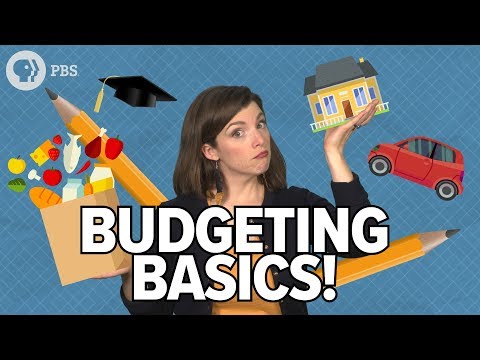
6. Can budgeting help actually reduce financial stress?
Absolutely. Research consistently shows that people who actively budget experience significantly lower levels of financial anxiety. Knowing exactly where your money is going eliminates the uncertainty that fuels stress. A Northwestern Mutual study found that adults with a financial plan reported feeling more confident, more in control, and significantly less stressed about their financial future compared to those without one. Budget help doesn’t just organize your money — it organizes your peace of mind.
Final Thoughts
Budget help isn’t a luxury or a sign of financial failure — it’s one of the most empowering decisions you can make for your future. From the simplest expense tracking habit to advanced wealth-building strategies, every step you take toward understanding and directing your money pays dividends in security, freedom, and confidence. Start where you are, use the tools available, and commit to consistent improvement. Your future self will thank you profoundly for the foundation you’re building today.